Choosing the top 10 best color contacts is not just a matter of picking the brightest shade. Comfort, fit, material, and a natural-looking finish all matter. A vivid blue lens may catch your eye in a product photo, but it can look very different in daylight or against your own eye color. Small details count.
Ophthalmologist Dr. Thomas Steinemann has emphasized that contact lenses are medical devices, not casual accessories. That safety message matters here. Even decorative lenses should be properly fitted, and an eye-care professional can help assess what is suitable for your eyes. A beautiful shade is not worth irritation or blurred vision.
This guide will compare color contacts by practical features, including color range, design, comfort considerations, and availability. It will also distinguish subtle enhancement shades from dramatic transformations, since those serve different preferences. Product descriptions and user reviews can be useful, but they cannot promise the same result for everyone. Eye color, lighting, and individual fit change the experience. That part is easy to overlook.
The list is a starting point, not a substitute for professional guidance. Look for clear care instructions and reliable product information, then discuss fit with a qualified eye-care professional. Style matters. So does eye health.
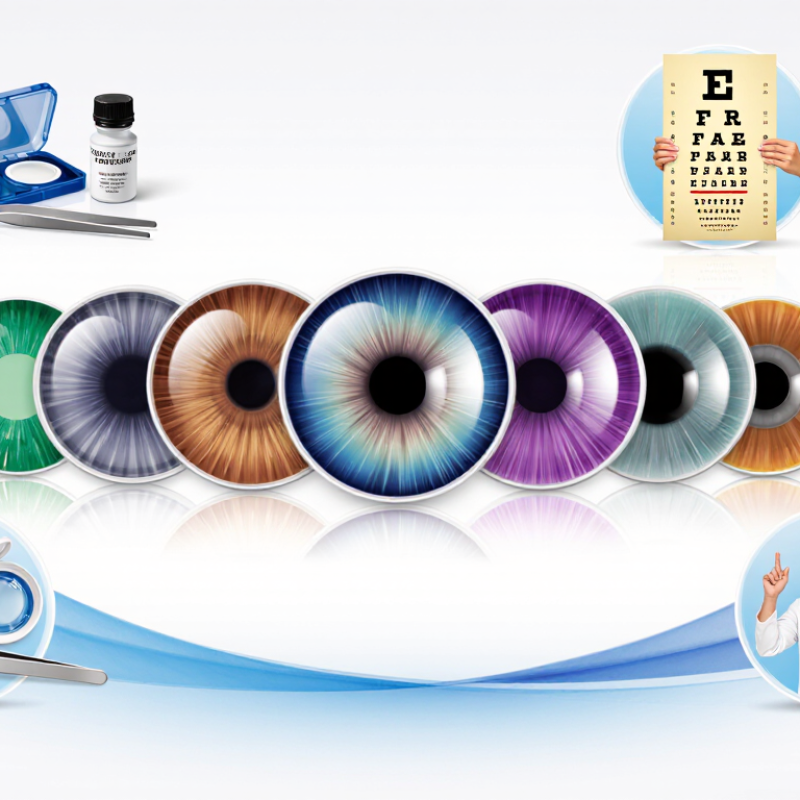
Colored contact lenses change the visible appearance of the iris with tinted patterns built into or printed on the lens. The central area is usually clear, allowing light to pass through the pupil. Some designs blend several tones; others add a distinct outer ring. They may correct vision or change color only. Either way, they sit directly on the eye, so proper fit matters.
The result can look different from a product photo. Natural eye color, lighting, and lens design all affect the shade. A lens that looks subtle indoors may appear brighter in sunlight. Contact lenses also cover the cornea, so material, fit, and wearing time matter for eye comfort. Color is only part of the choice.
Tips: Ask an eye-care professional to check the fit, even if you do not need vision correction. Wash and dry your hands before handling lenses, follow the replacement schedule, and do not share them. Remove lenses and seek prompt eye care for pain, strong redness, light sensitivity, or sudden blurred vision.
Color contacts should be judged by fit before color. A lens that shifts or rubs can turn a subtle look into a long, uncomfortable day. Ask an eye-care professional to check the lens’s prescription, base curve, and diameter; a lens that looks right online may not fit your eye. Comfort matters. Notice dryness, redness, blurred vision, or a gritty feeling, and remove the lenses if these occur. Never treat pain as a normal break-in period.
Safety is part of appearance, too. The CDC’s 2015 survey of nearly 1,000 contact lens wearers found that 99% reported at least one risky hygiene habit. Wash and dry your hands, follow the replacement schedule, and keep lenses away from tap water. FDA guidance also treats decorative lenses as contact lenses requiring professional fitting and a prescription in the United States. For color, check that the printed pattern leaves your pupil clear, especially in dim light. A mirror check is imperfect: indoor lighting can make a shade look warmer or darker than it appears outdoors. Try to assess the effect in both settings, and trust your vision and comfort over a dramatic photo.
Choosing the best color contacts means balancing appearance, prescription, and wear schedule—not chasing the brightest shade. Ten styles suit different preferences: sheer enhancement for a subtle change; warm hazel for golden tones; cool gray for a muted finish; green for soft contrast; and vivid blue for a noticeable shift. Deep brown can warm lighter eyes, while a defined outer ring adds iris definition. Larger-iris designs create a doll-like effect. Opaque colors make a stronger statement in photos, and gradient blends offer a softer transition. Comfort comes first.
Safety belongs in the decision. The CDC estimates that 45 million U.S. adults wear contact lenses. A CDC survey found that 99% of surveyed wearers reported at least one risky hygiene behavior (MMWR, 2015). That finding is a warning, not a reason to panic. The FDA classifies decorative contact lenses as medical devices. An eye-care professional should check fit and prescription, even when lenses are worn only for appearance. Never share lenses or sleep in them unless specifically instructed by a clinician.
Match opacity to your natural iris; lighter designs may look quite different over dark eyes. Not every shade translates. Check how a lens looks in daylight, not just in a product photo, and ask about comfort during a fitting. I would not rank color above fit; it is an easy mistake to make. For occasional wear, ask whether a professionally fitted option is available in a daily format.
Color contacts are not simply cosmetic accessories. In the United States, the FDA classifies decorative lenses as medical devices and requires a prescription, even when they have no vision correction. An eye-care professional checks your prescription and measures fit, including how the lens sits over your cornea. A lens that shifts, pinches, or blurs vision needs reassessment—not a longer adjustment period. Fit matters.
Comfort also depends on wear and care. Follow the prescribed replacement schedule, wash and dry your hands before handling lenses, and use fresh contact-lens solution. Do not sleep in lenses unless your clinician specifically approves it. The CDC’s 2015 report on contact-lens hygiene found that 99% of surveyed wearers reported at least one risky habit. That figure covers contact-lens wearers generally, not color-lens users alone, but it is a useful reminder that small shortcuts can carry risk. A striking shade is not worth irritated eyes.
Tips: Ask your eye-care professional to assess the exact lens you plan to wear; prescriptions and fit are not interchangeable across lenses. Remove lenses if your eyes become painful, red, or unusually light-sensitive, and contact a clinician promptly. Never share lenses. Keep the case clean, replace it regularly, and avoid tap water. I used to think comfort was only about material; fit and handling matter just as much.
A color contact can look subtle in one eye and dramatic in another. Your natural iris affects the final shade. On light eyes, a translucent lens may gently shift the color. Dark brown eyes often need an opaque design for a visible change. Gray, hazel, and green lenses can also look warmer or cooler depending on your natural tone. Compare options in daylight, not only under bright store lighting. Small details matter.
Think about when you will wear them. For work or school, a shade close to your natural color may feel comfortable in daily settings. For occasional events, stronger contrast can create a more noticeable look, though it may feel less familiar. Check that the lens leaves your vision clear and does not cause discomfort. A dramatic effect is not worth irritated eyes.
Colored lenses still need proper fitting, even when they are purely cosmetic. Ask an eye-care professional to assess your eyes and explain safe wear and care. Follow the lens schedule and cleaning instructions, and never share lenses. If your eyes become red, painful, or unusually sensitive to light, remove the lenses and seek professional advice. Fit comes first.
They change the visible appearance of the iris using tinted patterns. The center is usually clear for the pupil. Color is only part of the choice.
Your natural eye color, lens design, and lighting all affect the result. A shade may look warmer indoors and brighter in sunlight. Check both settings.
Yes. An eye-care professional can check the lens prescription, base curve, and diameter. A lens that looks right online may not fit your eye. Fit matters.
Watch for dryness, redness, blurred vision, or a gritty feeling. Remove the lenses if these occur. Pain is not a normal adjustment period.
Wash and dry your hands before handling them. Use fresh contact-lens solution, follow the replacement schedule, and keep lenses away from tap water. Small shortcuts matter.
No. Do not share lenses, even for a quick try-on. Each pair should be fitted for its wearer.
Do not sleep in them unless your clinician specifically approves it. Follow the wear instructions for your exact lenses. I used to overlook this detail.
Remove your lenses and contact a clinician promptly for eye pain, strong redness, light sensitivity, or sudden blurred vision. Don’t wait it out.
Color contacts are designed to change or enhance the appearance of your eyes, with options ranging from subtle definition to more noticeable color effects. The best choice depends on more than shade alone: comfort, clear vision, a natural-looking fit, and materials suitable for your eyes all matter. This guide compares ten types of color contacts for different needs and styles, considering how their designs and finishes may look on different eye colors.
Before choosing, consider whether you need vision correction, how long you plan to wear the lenses, and what suits your daily routine or special occasions. A qualified eye-care professional can help determine the right prescription and fit, even if you do not need vision correction. Follow the recommended cleaning, storage, and replacement instructions to support comfort and eye health. By weighing appearance alongside fit, care requirements, and lifestyle, you can make a more informed choice.