Blog
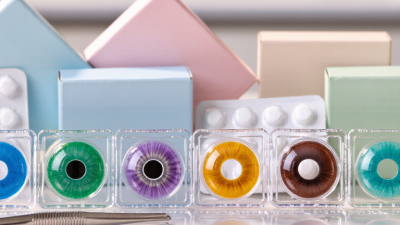
Top 10 Colored Contact Lens Suppliers Worldwide
Colored contact lenses sit at the intersection of vision care, cosmetic choice, and global manufacturing. Their appearance may catch the eye first; comfort, optical quality, and consistent production matter just as much. Grand View Research valued the global contact lens market at USD 20.4 billion in 2023. It projected a 9.6% compound annual growth rate from 2024 to 2030. This figure covers contact lenses broadly, not colored products alone. That distinction matters.
For a practical supplier comparison, the “Top 10 Colored Contact Lens Suppliers Worldwide” should be read as a buying guide, not a definitive league table. Supplier scale, product range, manufacturing transparency, and documented quality systems can vary, and public information is not always easy to compare. FDA optometrist Bernard Lepri offers a useful reminder: “Contact lenses are medical devices that require a commitment to proper use and care by the patient.” The quote concerns contact lenses generally, but it applies to colored lenses too. A vivid iris pattern is only one part of the decision. Buyers should also check product specifications, fit options, care guidance, and the supplier’s ability to provide reliable documentation. Those details are less photogenic. They deserve attention. The suppliers featured here are assessed through available company and industry information; readers should verify current claims directly before making purchasing decisions.
Read more »
 By:Ava
- October 29, 2026

How to Choose Colored Contacts in 2026?
Choosing colored contacts in 2026 means weighing appearance against fit, eye health, and reliable product information. A shade that looks subtle in a studio photo can appear much brighter in daylight. Comfort matters just as much. The lens must suit your eyes, not only your preferred color.
The Centers for Disease Control and Prevention estimates that about 45 million people in the United States wear contact lenses. In a CDC-published survey of adult contact lens wearers, nearly 99% reported at least one hygiene behavior associated with increased eye-infection risk. That finding is a reminder: small habits count. The U.S. Food and Drug Administration also classifies decorative lenses as medical devices and says they require a prescription, even when they do not correct vision. Requirements differ by country, so check the rules where you live and consult a qualified eye-care professional.
This guide explains how to compare colored contacts by lens fit, material, color pattern, and care instructions. Look closely at the product details: a printed iris pattern, lens diameter, and replacement schedule can affect both appearance and daily use. Do not choose from an image alone. A little uncertainty is normal; online photos cannot show how a lens will fit your eye. Use professional advice and trustworthy product information to make a considered choice.
Read more »
 By:Clara
- October 29, 2026
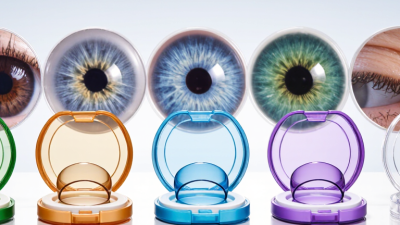
What Types of Color Contact Lenses Are Available?
Color contact lenses can subtly brighten an iris or create a striking change in color. But the label alone does not tell you how the lens will look or feel. Options include enhancement tints, opaque tints, and visibility tints; some designs also enlarge the apparent iris. Results depend on your natural eye color, lighting, and lens fit. A blue tint over dark brown eyes, for example, may look different from the same lens over pale gray eyes.
The wider market is growing. Grand View Research valued the global contact lens market at about $20.5 billion in 2023 and projected continued growth through 2030. That figure covers contact lenses broadly, not color lenses alone. Market numbers show demand, not product safety or quality. As ophthalmologist Dr. Thomas Steinemann has put it, “Contact lenses are medical devices, not cosmetics.” That distinction matters, even when a lens is worn mainly for appearance. A lens that looks natural in a product photo may feel dry or sit poorly on an individual eye. Fit matters.
This guide explains the main types of color contact lenses, how their tints differ, and what to consider when choosing a style. It also distinguishes prescription lenses from cosmetic designs. One detail can be easy to overlook: a vivid color does not guarantee a comfortable fit. A qualified eye-care professional can help assess fit and suitability, including when vision correction is not needed. The choices are varied. The right one is personal.
Read more »
By:Clara
- October 29, 2026