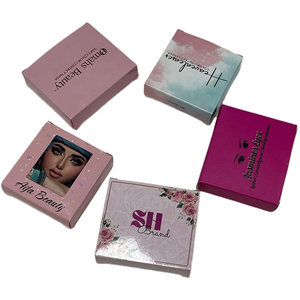
Integrated Sourcing Catalog
Certified Contact Optics & Custom Packaging Infrastructure
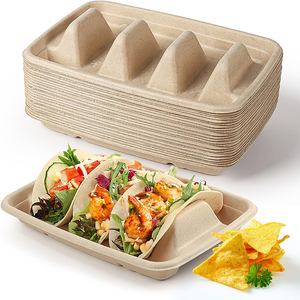
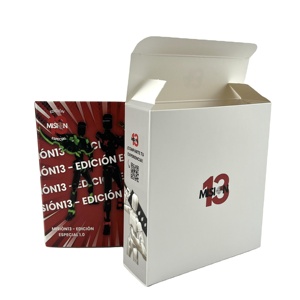
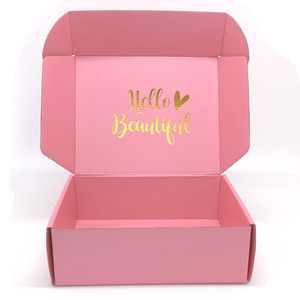
Seamlessly source high-performance cosmetic contact lenses alongside specialized medical-grade and retail-ready secondary packaging solutions engineered for international brand compliance.
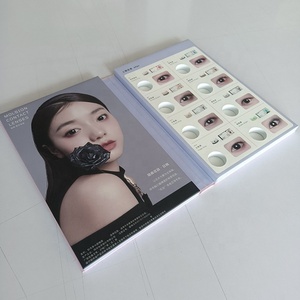
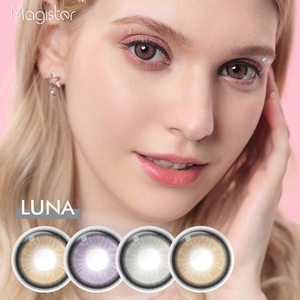
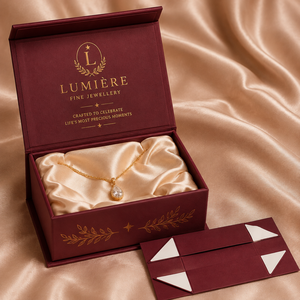

Regulatory Mandate & Quality Engineering
The Regulatory Architecture of CE Certified Color Contact Lenses
Under European Medical Device Regulation (EU MDR 2017/745), decorative and prescription color contact lenses require stringent conformity assessments under Annex XVI, eradicating the boundary between cosmetic aesthetics and invasive medical devices.
1. Clinical Integrity and Classification: From Directive 93/42/EEC to Regulation (EU) 2017/745
In global medical device jurisprudence, soft color contact lenses (whether zero-power plano lenses intended purely for cosmetic transformation or corrective lenses targeting refractive errors) are classified under Class IIa or Class IIb Medical Devices. Under the previous Medical Device Directive (MDD 93/42/EEC), non-corrective cosmetic lenses frequently exploited regulatory grey areas in peripheral jurisdictions. However, the enactment of EU MDR 2017/745 Annex XVI explicitly categorized decorative contacts without intended medical purpose under mandatory Notified Body clinical evaluations.
For an international B2B buyer, sourcing from a CE-certified manufacturer means that the production facility maintains an active, audited ISO 13485:2016 Quality Management System (QMS). This certification verifies that every lens parameter—including optical eccentricity, edge profile, center thickness, oxygen permeability (Dk/t), and residual unreacted monomer levels—adheres strictly to internationally recognized biological evaluation standards (ISO 10993) and soft contact lens characterizations (ISO 18369).
- ISO 10993-5 In Vitro Cytotoxicity: Confirms that neither the cross-linked polymeric matrix nor the printing pigments elicit cytotoxic responses from human corneal epithelial cells.
- ISO 10993-10 Ocular Irritation & Sensitization: Validates that extraction solutions yield zero ocular irritation or delayed-type hypersensitivity.
- Physical-Chemical Parameter Repeatability: Continuous verification of total diameter (ØT ± 0.20 mm), base curve (r0 ± 0.20 mm), and focal power back vertex tolerances according to ISO 18369-2.
- Full-Cycle Batch Traceability: Unique Device Identification (UDI) integration aligning with European EUDAMED databases and FDA GUDID tracking frameworks.
| Regulatory & Engineering Vector | Standard Cosmetic Grade (Uncertified) | Chroma Lens CE Certified (MDR 2017/745 Compliant) | Procurement Impact for Importers |
|---|---|---|---|
| Pigment Fixation Method | Surface-printed or dipped pad stamping | Full Sandwich Encapsulation (3-Layer Cast) | Zero risk of pigment leeching, scraping, or corneal abrasion. |
| Quality Audit Framework | Internal commercial inspection only | ISO 13485:2016 & Notified Body Surveillance | Guaranteed customs clearance across EU, UK (UKCA), and ASEAN. |
| Sterilization Validation | Basic chemical bath or non-validated heat | Validated Moist Heat Autoclave (EN 556-1 / ISO 17665) | Sterility Assurance Level (SAL) of 10-6; zero microbial load. |
| Edge Lift & Geometry | Irregular knife-cut borders | Micro-Precision Beveled Aspherical Edge | Optimal tear film exchange and uninterrupted metabolic flow. |
| Traceability & Technical File | Unavailable or fragmented lot sheets | Complete Device Master File (DMF) & UDI-DI | Protects wholesale brand equity against product recalls. |
Manufacturing Supremacy
Chroma Lens Enterprise Advantages: Owning Critical Steps
Unlike contract packagers or trading intermediaries, Chroma Lens Technology Co., Ltd. consolidates fundamental polymer science, ultra-precision tooling, and proprietary ink chemistry under one unified industrial roof.
In-House Mold Engineering
We engineer, micro-machine, and produce our own diamond-turned metal and polyolefin optical inserts. This eliminates reliance on secondary vendors, guaranteeing micron-level precision for base curves (8.5mm - 8.7mm) and overall diameter stabilization.
Proprietary Medical Inks
Formulated in our internal synthesis laboratory, our medical-grade bio-compatible printing inks deliver deep color saturation, sharp border definition, and complete chemical inertness without altering the underlying polymer hydrogel hydration matrix.
Original Pattern Library
Our dedicated iris aesthetics design team develops proprietary radial striations, multi-tone limbal rings, and opaque cosplay textures that empower private-label beauty brands to circumvent generic catalog saturation and build genuine IP value.
Class 100,000 Cleanrooms
Automated cast-molding, hydration extraction, laser inspection, and blister packaging take place within ISO Class 8 (Class 100,000) cleanroom environments, operating under strict microbial burden limits and particle count control protocols.
Sourcing Strategy
Technical Product Recommendations: Matching Market Intent
Selecting the appropriate optical configuration requires balancing replacement frequency, oxygen transmissibility, ocular tear dynamics, and consumer aesthetic objectives.
1. Hydrogel vs. Silicone Hydrogel: Material Selection Criteria
When curating a private-label color contacts portfolio, global brand managers face a strategic trade-off between traditional poly-HEMA hydrogels and modern silicone hydrogels (SiHy):
Traditional Poly-HEMA (38% - 42% Water Content): Remains the industry gold standard for decorative cosmetic lenses. Poly-HEMA provides exceptional mechanical stability, ease of handling for novice users, and minimal surface evaporation, making it ideal for daily cosmetic wearers working in air-conditioned environments. Its wettability and deposit resistance (Group 1 FDA hydrogel classification) ensure high comfort over 8-hour wearing periods.
Silicone Hydrogel (Dk/t > 80 Fatt Units): Indispensable for premium medical and corrective optical channels. By incorporating fluorosilicone macromers, silicone hydrogels allow direct trans-lens oxygen diffusion rather than relying purely on water channel transfer. This significantly reduces corneal hypoxia, limbal hyperemia, and neovascularization risk during extended cosmetic wear.
| Lens Tier & Type | Ideal Replacement Cycle | Key Optical & Cosmetic Attributes | Target B2B Channel |
|---|---|---|---|
| Natural Enhancement Series | Daily Disposable / Monthly | 14.0mm - 14.2mm diameter, subtle 1-3 tone gradient with diffused limbal ring; blends with underlying dark irises. | Beauty Retail, E-Commerce Direct-to-Consumer, Optometry Clinics. |
| Opaque Fashion Series | Monthly / Quarterly | 14.5mm enlargement diameter, high-opacity micro-dot printing matrix; totally transforms dark brown eyes to blue/green/gray. | Cosmetic Boutiques, Pharmacy Chains, Professional Makeup Artists. |
| Cosplay & Theatrical Series | Monthly / Yearly | High-density pigment block, anime/horror patterns, special pupil cuts, 14.5mm - 17.0mm scleral styles. | Costume Distributors, Halloween Seasonal Retail, Theatrical Suppliers. |
| Clear Corrective Series | Daily / Monthly | Cast-molded aspherical optics, blue handling tint, UV blocking Class 2; spherical power range -0.50D to -10.00D. | Optical Retail Chains, Ophthalmologist Buying Groups. |
Macro-Market Intelligence
Future Procurement Trends: What Forward-Thinking Importers Must Know
The cosmetic contact lens sector is navigating an unprecedented paradigm shift driven by stringent global customs enforcement, changing consumer safety awareness, and green manufacturing mandates.
Material Innovation
Dominance of Silicone Hydrogel in Color Formats
While clear contact lenses have transitioned more than 75% of market volume to silicone hydrogels, color lenses historically lagged due to difficulties in encapsulating pigments within hydrophobic silicone chains. Chroma Lens is pioneering specialized siloxane-compatible ink binders, allowing B2B buyers to offer true high-Dk/t color lenses that satisfy stringent medical requirements in North America and Western Europe.
Procurement Insight: Distributors transitioning to SiHy color contacts experience up to 40% lower consumer return rates associated with end-of-day ocular dryness.
Regulatory Tightening
Automated Border Control & EUDAMED Validation
Customs authorities in Germany, France, the US, and Saudi Arabia now mandate digital validation of CE certificates and FDA 510(k) clearances prior to release. Gray-market export schemes that label contact lenses as "costume novelties" face systematic container seizures and commercial fines. Sourcing directly from an audited facility with active Technical Documentation Files is no longer optional.
Procurement Insight: Chroma Lens provides complete technical dossiers (DMF, Declaration of Conformity, Notified Body Certificates) with every bulk export order.
Sustainable Packaging
Bio-Based Polymers & Reduced Secondary Plastic
European buyers are demanding reduced plastic footprints in primary packaging. The industry is actively migrating toward thinner blister foils, recyclable polypropylene blisters, and FSC-certified or sugarcane bagasse secondary cartons (exemplified in our complementary packaging ecosystem). Aligning your lens line with eco-conscious materials establishes substantial competitive positioning on modern retail shelves.
Procurement Insight: Secondary cartons fabricated from renewable fibers reduce import carbon tariffs under evolving EU cross-border emissions standards.
Technological Evolution
The Evolution of Color Contacts: From Novelty to Precision Optics
Understanding the historical and future trajectory of contact lens manufacturing allows international buyers to anticipate consumer adoption cycles and avoid dead-stock inventory.
Phase 1 to Phase 4: The Four Industrial Epochs of Decorative Contacts
Phase 1: The Monolithic Lathe-Cut Era (1980s - 1990s): Early cosmetic lenses were manufactured via mechanical lathe cutting from solid polymer buttons. Dyes were manually applied to the lens front surface. Wearers frequently experienced corneal edema, giant papillary conjunctivitis (GPC), and foreign-body sensations due to crude edges and high surface roughness.
Phase 2: Cast Molding & Pad Stamping (2000s - 2010s): High-speed injection casting enabled mass production. However, pigment was frequently printed onto the concave optical surface. Over extended wear or mechanical rubbing, friction against the tarsal conjunctiva could cause pigment flaking—a primary trigger for widespread medical scrutiny and initial regulatory intervention.
Phase 3: Triple-Layer Sandwich Encapsulation (Present State): The modern CE-certified standard. A base polymer coat is injected into the mold; proprietary color inks are micro-dot printed; a second optical polymer layer is injected over the pigment, sealing the pigments completely within the interior of the lens matrix. The cornea and eyelid touch only ultra-smooth, hydrated biomaterial.
Phase 4: Functional Ocular Wellness (Emerging 2025+ Horizon): Next-generation color contacts integrate functional benefits: Class 1 Broad-Spectrum UV-A/UV-B Filters that block >90% of harmful radiation, HEV Blue Light Filtering to counteract digital screen fatigue, and Wetting Agents like MPC (2-methacryloyloxyethyl phosphorylcholine) integrated directly into the polymer network to mimic natural cell membranes.
- Optical Pupil Clear Zone Engineering: Precision central optical zones (≥ 5.5mm diameter) engineered to prevent visual obstruction or "tunnel vision" during night driving or pupil dilation.
- Aspherical Front Surface Topography: Compensates for natural corneal spherical aberration, yielding high-definition visual acuity comparable to high-end clear lenses.
- Tear-Exchange Periphery: Beveled edge geometries designed to maximize tear pumping action during each involuntary blink cycle, maintaining corneal oxygenation.
Buyer Knowledge Center
Frequently Asked Questions: B2B Contact Lens Sourcing
Critical answers addressing technical specifications, international trade documentation, private labeling parameters, and batch validation.
What specific documentation does Chroma Lens provide to guarantee CE certification compliance?
We provide a comprehensive Regulatory Dossier with every shipment and OEM contract, including: (1) Copy of the EC Certificate issued by an accredited European Notified Body under applicable Medical Device Directives/Regulations; (2) Official Declaration of Conformity (DoC); (3) ISO 13485:2016 Quality Management Certificate; (4) Summary of Biocompatibility Test Reports conforming to ISO 10993; (5) Autoclave Sterilization Validation Records (ISO 17665); and (6) Lot-specific Certificate of Analysis (CoA) confirming optical parameter tolerance, pH, and osmolarity stability.
How does "Sandwich Printing" technology prevent pigment leakage to the cornea?
In our cast-molding process, color pigments are not stamped onto the finished surface. Instead, a micro-layer of unpolymerized monomer is cast onto the base mold; the pattern is printed using specialized reactive pigments; subsequently, a secondary optical layer covers the print completely. The entire sandwich is then cured under controlled ultraviolet and thermal cycles. As a result, the pigments become physically locked inside the cross-linked poly-HEMA hydrogel, with zero exposure to either the anterior corneal surface or the posterior palpebral conjunctiva.
Can Chroma Lens develop custom, proprietary iris patterns for our private label?
Yes. Custom pattern engineering is one of our primary core competencies. Because we control mold fabrication and ink formulation in-house, your brand can submit digital vector artworks, pantone references, or physical concepts. Our optical design team refines the graphic for pupil zone clearance, limbal gradation, and multi-chromatic micro-dot opacity. We produce rapid mold prototypes and verified trial samples within 15 to 25 business days, completely circumventing third-party tooling markups.
What are the minimum order quantities (MOQs) for custom OEM and wholesale orders?
For catalog designs with standard Chroma Lens branding or neutral packaging, MOQs start as low as 50 to 100 pairs per SKU for trial distributors. For complete private-label OEM projects (custom branded blister foil, custom retail packaging cartons, and customized power arrays from 0.00D to -8.00D), MOQs generally range between 500 and 1,000 pairs per color design, structured flexibly to help new brands launch without excessive inventory exposure.
What packaging formats are supported for international bulk export?
We offer two primary medical packaging systems: (1) PP Blister Packs with Aluminum Foil Seals: Filled with sterile buffered saline and autoclaved, suitable for modern retail display cartons, e-commerce lightweight fulfillment, and automated high-volume distribution; (2) Glass Vials with Crimped Aluminum Rubber Caps: Preferred for long-life yearly replacement lenses and traditional clinical channels. Both packaging formats comply fully with ISO 11607 packaging for terminally sterilized medical devices.
How does Chroma Lens verify the shelf-life stability of packaged contact lenses?
Our products undergo both Real-Time Aging and Accelerated Aging protocols according to ASTM F1980 standards. Blister packs and vials are placed in environmental test chambers at elevated temperatures and humidity to simulate up to 5 years of shelf life. Tests routinely evaluate sterile barrier seal integrity (bubble leak and dye penetration testing), saline pH and osmolarity maintenance, and the physical stability of lens diameter, base curve, and pigment bonding over the entire 5-year validated expiration window.
Launch Your Certified Contact Lens Brand Today
Connect directly with Chroma Lens manufacturing engineers to request OEM/ODM technical specifications, physical lens samples, compliance dossiers, or factory pricing tiers.
✓ Full CE & ISO 13485 Compliance
✓ Proprietary In-House Mold Tooling
✓ Encapsulated Pigment Matrix
✓ Worldwide Export Distribution