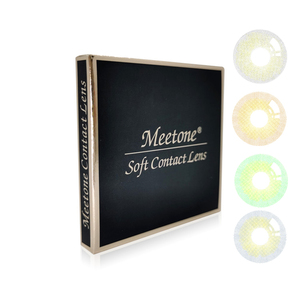
OEM Private Label
Private Label OEM Paper Packaging Cosmetic Meetone Color Lens
Water: 40%
B.C: 8.5mm - 8.6mm
DIA: 14.2mm
Inquire Bulk Batch
Explore our export-grade theatrical, anime, and cosplay soft contact lenses manufactured to European Medical Device Regulation (MDR) standards.
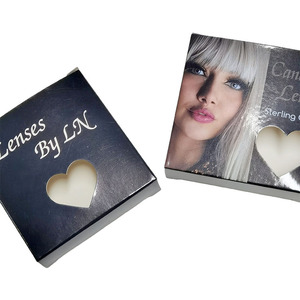
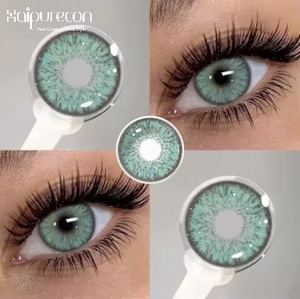
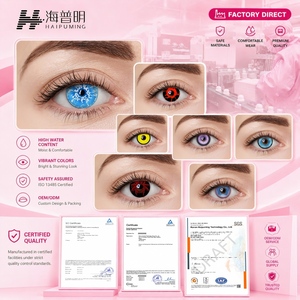
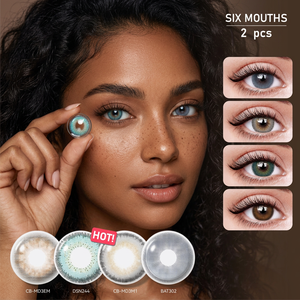
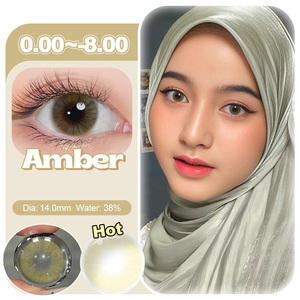
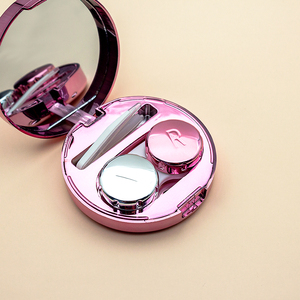
The global market for cosmetic, cosplay, and Halloween contact lenses has transitioned from a seasonal sub-category into a rigorous, compliance-driven segment of the ophthalmic medical device sector. Because theatrical contact lenses typically feature heavy pigments, dense opacifying agents (such as titanium dioxide), and dramatic iris configurations (e.g., Cat Eye, Sclera, Mesh, and Blind effects), manufacturing these devices demands tight tolerances far exceeding standard corrective clear lenses. As a specialized manufacturer operating vertically integrated mold fabrication and proprietary non-toxic pigment laboratories, our production protocols address the dual imperative of vibrant visual performance and long-term ocular surface safety.
A fundamental risk in cosmetic and novelty contact lens manufacturing is direct pigment exposure to the corneal epithelium and palpebral conjunctiva. Inferior grade theatrical lenses often print pigments directly onto the anterior or posterior surface of the hydrogel substrate, which can cause micro-abrasions, toxic pigment leaching, and allergic keratitis. Our production infrastructure employs a proprietary Sandwich Encapsulation Cast-Molding Technology. In this closed-loop process, FDA-cleared and medical-grade organic dyes are embedded inside a poly-HEMA (2-hydroxyethyl methacrylate) hydrogel matrix. The pigment is physically locked between two clear hydrogel polymer layers, preventing the micro-particulate surface roughness that can trap bacterial pathogens such as Pseudomonas aeruginosa and Acanthamoeba.
| Evaluation Parameter | Chroma Lens Medical-Grade Theatrical | Generic / Low-Cost Novelty Lenses | Clinical & Regulatory Consequence |
|---|---|---|---|
| Pigment Isolation Layer | Sandwich Encapsulation (Double Hydrogel Shell) | Surface Pad-Printing or Direct Transfer | Zero leaching; prevents corneal ulceration & surface staining |
| Oxygen Transmissibility (Dk/t) | 18.5 × 10⁻⁹ (Optimized for safe daily wear) | < 8.0 × 10⁻⁹ (Severe corneal hypoxia) | Sustains epithelial metabolic respiration during festive/cosplay events |
| Edge Configuration | Precision Micro-Tapered CNC Mold Contouring | Rough Die-Cut / Irregular Bevels | Optimal tear-film exchange and reduced foreign body sensation |
| Visual Optical Zone | Clear Central Aperture (≥ 5.5mm - 6.0mm) | Uncalibrated / Obscured Pupil Window | Eliminates peripheral tunnel vision, night-glare, and scotoma |
| Sterilization Standard | Industrial Steam Autoclave (EN 556-1 / ISO 17665) | Inconsistent Chemical / Low-Heat Bath | Guarantees Sterility Assurance Level (SAL) of 10-6 |
A common operational challenge reported by distributors of Halloween contact lenses is pupil-blocking visual complaints. In low-light environments typical of entertainment venues, themed events, and nighttime celebrations, the human pupil naturally dilates from its photopic state (~2.5mm - 3.0mm) to a scotopic diameter of 6.0mm or wider. Poorly engineered cosmetic lenses featuring constricted clear optical zones (under 4.5mm) cause immediate tunnel vision, field-of-vision clipping, and hazardous visual artifacts. Our precision design matrices integrate an anatomically matched 5.5mm to 6.2mm optical zone clearance across all opaque and multi-layered patterns. This guarantees uncompromised visual acuity and night navigation safety, while high-density radial printing maintains vivid, light-blocking iris opacity across dark Asian and light Caucasian eye profiles alike.
Why leading medical wholesalers, private label cosmetic brands, and costume distributors partner with our specialized production facility.
We do not purchase generic pre-fabricated molds. Our in-house micro-tooling center engineers customized base curves (8.5mm, 8.6mm) and exact diameter profiles (14.0mm to 14.5mm), delivering micron-accurate repeatability and edge finishes.
Formulated and refined within our internal cleanroom laboratories, our specialized biocompatible inks achieve maximum optical density, razor-sharp pattern micro-definition, and verified stability across all temperature and salinity storage conditions.
A dedicated team of ocular pattern illustrators and color theorists produces unique, IP-clean designs each season. From complex anime character aesthetics to hyper-realistic horror textures, we help clients build differentiated product lines.
Every commercial batch is validated through rigorous optical power verification, water content titration, edge profile microscopy, and dimensional stability checks, complete with trace inspection documentation ready for audit.
From single sterile PP-blister packs to glass vials and bespoke luxury paper packaging with anti-counterfeit labels, barcode tagging, and multilingual IFU user leaflets, we streamline regulatory retail entry.
Our comprehensive technical files support importers navigating complex regulatory pathways, including CE certification, ISO 13485 medical device systems, GMP hygiene audits, and localized cosmetic import filings.
Key strategic indicators for B2B buyers, category managers, and healthcare procurement professionals.
While yearly lenses traditionally led the cosplay market due to lower unit pricing, regulatory shifts and consumer hygiene priorities are driving demand toward Daily Disposable (1-Day) theatrical packaging. Single-use lenses eliminate the risk of improper lens cleaning and reduce microbial keratitis cases by over 74% during festive seasons.
Distributors must navigate the transition to the European Medical Device Regulation (EU MDR 2017/745 Annex XVI), which classifies non-corrective cosmetic colored contacts as Class IIa devices. Procurement strategies must prioritize verified factory technical documentation, biocompatibility testing (ISO 10993), and authorized European representatives (EC REP).
Next-generation theatrical lines are shifting from conventional poly-HEMA hydrogel to silicone hydrogel composites. This structural upgrade delivers exceptional oxygen transmissibility (Dk > 80), keeping eyes comfortable and moist even through heavy stage makeup and long film production shoots.
Flat, single-tone horror lenses are being replaced by multi-depth, gradient dot-matrix printing. High-definition 3-tone and 4-tone patterns reflect micro-lighting on camera, meeting the aesthetic demands of high-definition cinematography, television production, and convention cosplay.
Halloween retail demand concentrates around an intensive 90-day operational window. Savvy importers are shifting to flexible, on-demand OEM production schedules with dynamic batch sizes (MOQ 500-1,000 pairs per SKU) to minimize post-holiday unsold inventory write-downs.
To combat unregulated counterfeit imports, cross-border customs authorities increasingly require serialized GS1 DataMatrix barcodes and verified batch traceability from factory autoclave to end consumer, ensuring fast supply chain clearing and reliable product authenticity.
Direct technical answers to common questions about CE certification, safety standards, and factory customization.
Connect directly with our engineering and export regulatory team. Request sample evaluation kits, verify technical compliance documentation, or initiate custom private label mold development today.