CE Marked
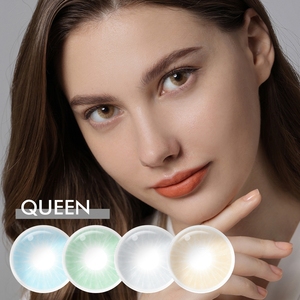
Free Sample Magister QUEEN Eye Cosmetic Contact Lenses Contact Lens Soft Lens Colored Contact Lenses Wholesale Lensa Kontak
B.C: 8.5mm - 8.6mm
DIA: 14.0mm-14.5mm
Engineered via precision cast-molding systems with high-opacity pigments, UV blocking capabilities, and validated biocompatibility compliance across North American and European standard markets.
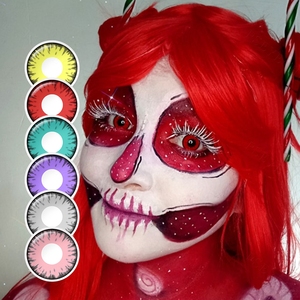
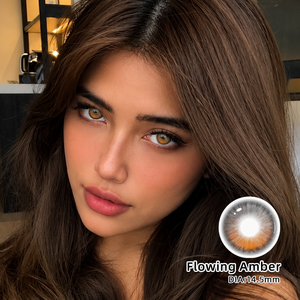
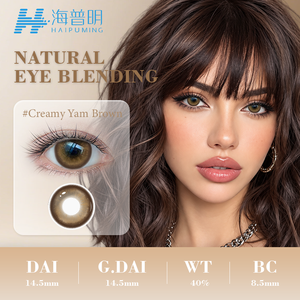
Yellow colored contact lenses represent one of the most technically demanding segments in cosmetic and theatrical lens manufacturing. Unlike subtler brown or grey pigments that blend with natural ocular melanin, pure yellow, amber, and wolf-eye tones rely on dense, highly opaque mineral and organic dyes. Sourcing from certified manufacturers demands an exhaustive understanding of pigment encapsulation, oxygen permeability dynamics, and mechanical edge tapering.
When selecting yellow and theatrical lenses—such as Twilight werewolf amber, electric golden cosplay, or vivid reptilian effects—optical density must be balanced against light transmission through the visual axis. Below is an engineering comparison of traditional surface-printed lenses versus factory-grade cast-molded encapsulated lenses.
| Evaluation Parameter | Surface Tinted / Low-Cost Imports | Chroma Lens Cast-Molded Yellow Lenses |
|---|---|---|
| Pigment Isolation | Exposed surface printing; risk of abrasion | 100% Embedded Sandwich Polymerization |
| Oxygen Permeability (Dk/t) | Severely diminished by surface pigment blockage | Optimized matrix channels maintaining >20 Dk/t |
| Optical Center Clarity | Frequent pattern bleed into clear pupil zone | Laser-calibrated 4.5mm - 5.5mm clear central aperture |
| Curvature Regularity | High deviation (±0.25mm) leading to lens decentration | Ultra-precision base curve tolerance within ±0.05mm |
| Regulatory Traceability | Ambiguous documentation; high customs risk | Full CE Certification, ISO 13485 audits & lot-level test reports |
As the international beauty, film production, and anime cosplay markets expand, B2B buyers must adapt their procurement strategies to evolving end-consumer expectations and regulatory overhauls. Industry intelligence indicates three prominent structural shifts shaping global inventory planning over the next five years:
While yearly disposables dominated legacy theatrical distribution, European and US retail chains are shifting toward daily disposable and monthly replacement blister packs to minimize microbial biofilm contamination and elevate wearer compliance.
Historically, yellow and novelty lenses were produced strictly in plano (0.00 diopter) powers. Today, over 42% of wholesale inquiries mandate corrective powers ranging from -0.50 to -8.00D with precise optical centration for refractive stabilization.
Customs enforcement across the EU and North America is systematically blocking non-certified cosmetic lenses. Importers must ensure factory source documents contain accredited Notified Body CE marks, unambiguous UDI coding, and toxicological biocompatibility certifications.
The manufacturing complexity of vivid yellow lenses centers on pigment stabilization. Pure yellow tones require inorganic iron oxide derivatives or pharmaceutical-grade certified organic yellow pigments that resist breakdown during the high-temperature autoclave sterilization process (typically 121°C under high-pressure steam for 20-30 minutes).
By controlling both in-house mold tooling and proprietary printing ink development, Chroma Lens eliminates the common variance seen in third-party supply chains. Independent mold development guarantees edge thickness profiles that conform seamlessly to the human limbus without inducing mechanical irritation, while custom ink viscosity controls prevent micro-splatter during the pad-printing process, delivering razor-sharp demarcation for cat-eye, demon, anime, and vampire patterns.
A vertically integrated manufacturing model built to de-risk overseas sourcing for distributors, optical clinics, and private brands.
We engineer and machine our own casting molds. This ensures uncompromised curvature precision, base curve stability (±0.05mm), and the flexibility to engineer proprietary lens diameters from 14.0mm natural to 14.5mm theatrical configurations.
Formulated in our dedicated synthesis lab, our pigments resist thermal degradation and autoclaving while providing unmatched color saturation across dark natural irises without compromising hydrogel oxygen diffusion.
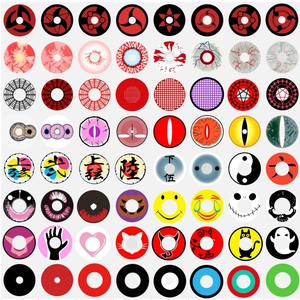
Gain access to over 500+ exclusive designs—spanning realistic honey yellow shades to anime Sharingan and horror motifs—or collaborate with our design team for exclusive IP-protected private label releases.
Every single batch undergoes dimensional metrology, optical resolution verification, chromatic adhesion testing, and automated blister integrity sealing inspection before release documentation is generated.
Crucial regulatory, technical, and logistical clarifications for B2B buyers and import compliance officers.
Under the EU Medical Device Regulation (MDR 2017/745), cosmetic and theatrical contact lenses—even those without corrective power (plano)—are classified as medical devices under Annex XVI. Importers must hold a valid EU Declaration of Conformity issued under an accredited Notified Body, an audited ISO 13485:2016 certificate, technical documentation including toxicological risk assessments (ISO 10993 biocompatibility suite), and compliant multi-language packaging featuring unique device identifiers (UDI).
We deploy a cast-molding sandwich technology where pigments are pad-printed onto an unpolymerized hydrogel matrix before being encapsulated with a secondary layer of raw monomer. The entire structure is then UV and thermally polymerized into a single monolithic matrix. This guarantees that dyes remain completely isolated from both ocular surfaces, preventing any direct contact or mechanical friction against the delicate corneal epithelium.
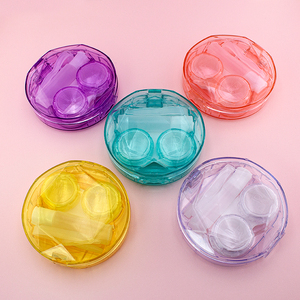
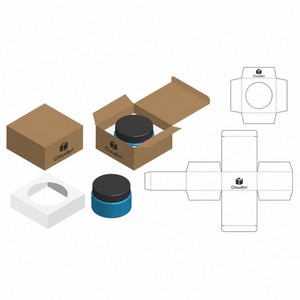
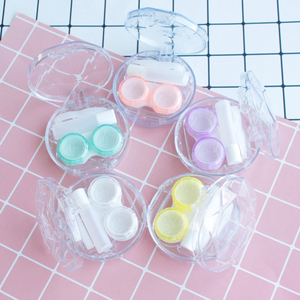
Yes. We offer fully integrated OEM/ODM packaging capabilities, including medical-grade PP blister packaging, sealed glass vials with tear-off aluminum caps, custom multi-color retail cartons, multi-pack kits including anti-bacterial lens cases, and localized user instruction leaflets with technical conversion tables.
Standard catalog selections for wholesale distributors carry low entry thresholds (typically from 50 to 100 pairs per SKU for ready-to-ship inventory). For custom-engineered patterns, private label print runs, or specific diopter curve runs, OEM production batches generally start at 500 to 1,000 pairs per design, with sampling cycles concluded within 10 to 14 days and production dispatch within 25 to 35 business days.
Our standard yellow hydrogel lenses are formulated with a balanced 38% to 42% water content utilizing poly-HEMA and NVP formulations. High water content lenses can inadvertently dehydrate wearer eyes in dry or air-conditioned theatrical environments by pulling moisture from the tear film. A 38%-42% hydrogel matrix offers superior tear film stability, minimal protein deposit accumulation, and sustained dimensional stability over 8-to-12-hour continuous wear periods.
Partner with an accredited manufacturer capable of delivering superior color density, authenticated CE certification, and comprehensive private-label support tailored to your territorial import parameters.