Natural Beauty
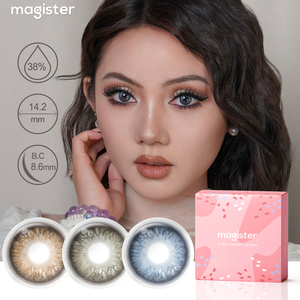
The global cosmetic and corrective color contact lens sector has transitioned from simple pigment printing to highly sophisticated biomedical polymer engineering. As international brand distributors, ophthalmic retail chains, and direct-to-consumer (D2C) beauty brands navigate sourcing strategies, identifying verified China-based suppliers equipped with certified Class 100,000 cleanrooms, proprietary bio-safe ink technologies, and vertically integrated mold tooling is essential to securing market leadership and long-term brand equity.
Dedicated continuous precision mold tooling & formulation
Zero corneal pigment contact via dual-layer cast molding
Hydrophilic PolyHema systems preventing tear dehydration
Automated optical inspection ensuring zero edge aberrations
Explore our export-ready wholesale and private-label catalog. Each model is engineered for exceptional optical comfort, vivid pigment dispersion, and strict physiological tolerance across all replacement cycles.
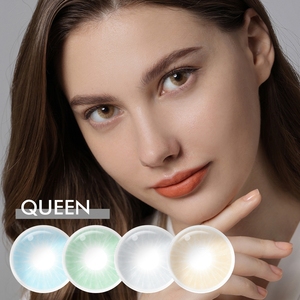
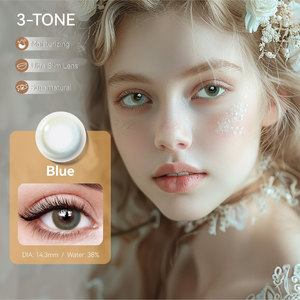
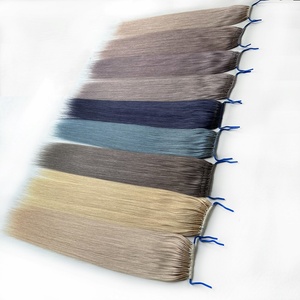
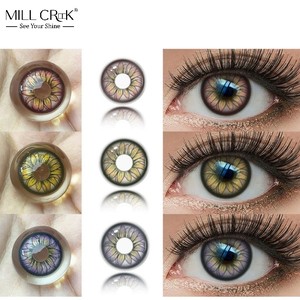
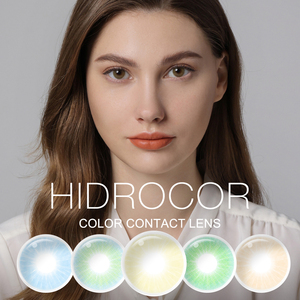
A true tier-1 color contact lens supplier is defined by controlling critical upstream engineering rather than assembling third-party components. Chroma Lens and leading Chinese ophthalmic manufacturing facilities operate under comprehensive vertical integration, safeguarding physiological safety and color fidelity.
By engineering ultra-precision optical molds in-house via nanoscale CNC lathe and sub-micron diamond cutting tools, base curves (BC 8.4mm to 8.7mm) and edge taper angles are maintained within ±0.01mm tolerances. This eliminates corneal friction, improves tear exchange, and minimizes batch-to-batch fitting variability.
Developed within dedicated chemical synthesis laboratories, our medical-grade printing inks utilize non-toxic, biocompatible inorganic oxides that are chemically locked via UV photo-polymerization. Color intensity remains vivid throughout wear cycles without pigment leaching, cytotoxicity, or ocular mucosal irritation.
Our dedicated ophthalmic and graphic design atelier creates original multi-tone iris micro-patterns tailored to diverse global anthropometric eye structures. From high-translucency designs that brighten Caucasian light irises to multi-layer opaque coverage engineered specifically for dark irises, we protect brands from IP replication.
Every single unit undergoes rigorous 100% computerized optical projection inspection for edge feathering, parameter deviation, and surface micro-imperfections. Manufacturing operates inside validated Class 100,000 cleanrooms in compliance with ISO 13485 medical device quality management protocols.
| Evaluation Parameter | Chroma Lens / Tier-1 China Supply | Generic / Low-Cost Assemblers | Strategic Advantage for Importers |
|---|---|---|---|
| Pigment Embedding Technique | Sandwich Encapsulation (Cast-Molded Dual Matrix) | Surface Tampon Pad Printing (Single Layer) | Guarantees zero pigment contact with cornea or eyelid conjunctiva. |
| Oxygen Permeability (Dk/t) | Transmissible > 25 × 10-9 (Optimized PolyHema/Si-Hy) | Sub-standard < 12 × 10-9 (Dense, unyielding resin) | Prevents corneal hypoxia, redness, and discomfort during 8-12h wear. |
| Edge Profile Geometry | Continuous Rounded Bevel Edge (Sub-micron mold) | Sharp Knife-Edge or Irregular Shear Angle | Seamless blink glide, excellent tear circulation, zero foreign body sensation. |
| Quality Certification Traceability | ISO 13485, CE MDR, US FDA 510(k), Free Sales (CFS) | Unverified general laboratory test reports only | Frictionless customs clearance and legal optical dispensary retailing. |
| OEM/ODM Customization Depth | Full mold drafting, private diopter ranges, custom packaging | Strictly stock-catalog re-labeling only | Empowers unique brand IP, proprietary iris designs, and market defensibility. |
B2B optical buyers, cosmetic retail chains, and e-commerce aggregators must navigate critical shifts in consumer psychology, regulatory enforcement, and supply chain logistics. Below are the transformative procurement trends driving color contact lens purchasing through 2030.
While yearly and monthly replacement modalities have traditionally dominated cosmetic contact lens wholesale in emerging markets, developed retail markets (North America, Western Europe, Japan, and South Korea) are overwhelmingly prioritizing daily disposables (1-Day). Daily lenses eliminate compliance risks associated with lens cases, multi-purpose solutions, and microbial contamination. Modern OEM buyers are contracting automated high-speed blister packing lines to achieve competitive unit economics on 10-pack and 30-pack daily beauty SKUs.
Influencer-led beauty brands and viral TikTok-driven aesthetics require rapid production turnaround rather than holding massive dead-stock inventories. Forward-thinking China suppliers now offer modular procurement frameworks: low Minimum Order Quantities (MOQs) for seasonal micro-launches, supported by pre-tested core base formulations. Brands can validate high-concept patterns (such as anime cosplay accents, honey-hazel gradients, or glowing rim enhancements) with agile batches of 500-1,000 pairs before committing to industrial runs of 50,000+ units.
Regulatory authorities worldwide have tightened oversight over color contact lenses, classifying them strictly as Class II or Class III medical devices regardless of whether they contain corrective vision powers (plano/0.00 diopters included). Global importers face devastating border seizures unless their Chinese manufacturing partner maintains continuous traceability. Procurement contracts now mandate transparent access to Device Master Files (DMF), batch-level sterilization validation reports, and unique GS1-compliant UDI (Unique Device Identifier) integration on all export packaging.
The boundary between medical health devices and cosmetic aesthetics has dissolved. China's top tier of contact lens engineers is pioneering sophisticated polymer hybridizations and high-definition pigment deposition techniques that redefine the wearer experience.
Historically, embedding opaque pigment layers inside silicone hydrogel posed major chemical challenges due to phase separation and hydrophobic surface dewetting. Next-generation Chinese manufacturing labs have resolved this by formulating hydrophilic surface grafting and plasma-treated siloxane monomers. Color lenses made with modern silicone hydrogels achieve unprecedented oxygen transmissibility ratings (Dk/t exceeding 80-100), eliminating end-of-day dryness, maintaining corneal aerobic metabolism, and extending healthy wearing windows.
First-generation color lenses were characterized by flat, pixelated graphics that looked unnatural upon close gaze. Advanced manufacturers now utilize 3D microscopic multi-dot pad printing systems that layer translucent tints over opaque core highlights. By emulating the crypts and radial furrows of authentic human irises, these designs blend effortlessly with natural eye colors. The transition from the outer limbal ring to the transparent optical zone is softened using sub-20-micron dot gradations, creating depth without optical obstruction.
Cosmetic lenses are rapidly integrating active ocular protection capabilities. Leading factories synthesize proprietary polymer additives that absorb up to 95% of UV-A, 99% of UV-B, and high-energy visible (HEV) blue light emitted from digital displays and intense indoor illumination. This transforms a purely aesthetic accessory into an indispensable daily protective barrier against photokeratitis, cataract progression, and retinal photo-oxidation, opening lucrative new positioning avenues for healthcare retailers.
Before issuing requests for quotation (RFQs) or committing to manufacturing deposits, review these essential commercial, technical, and regulatory considerations curated by our senior optical engineering team.
For pre-existing catalog patterns with custom branded outer packaging, MOQs generally start at 500 to 1,000 pairs across standard power ranges (plano to -8.00). If your brand requires a completely bespoke, proprietary iris graphic pattern involving customized mold tooling and proprietary ink formulation, the typical initial batch requirement ranges from 5,000 to 10,000 pairs to offset casting mold fabrication and cleanroom setup fees.
Sandwich technology (also known as dual-layer cast-molding encapsulation) positions the printed pigment layer entirely inside the optical matrix. A layer of pure hydrophilic polymer (such as HEMA) separates the dye from the inner surface touching the cornea, while another uniform layer shields the outer surface in contact with the palpebral conjunctiva. Pigment rubbing tests confirm zero leaching, zero friction abrasion, and zero cellular cytotoxicity.
Legitimate optical suppliers must maintain valid ISO 13485 certification for medical device quality management systems. For entry into the European Economic Area (EEA), valid CE certification under the new Medical Device Regulation (EU MDR 2017/745) is mandatory. For the United States market, products must hold a cleared FDA 510(k) premarket notification. Importers should always demand verified copies of Certificates of Free Sale (CFS) and biocompatibility test summaries (ISO 10993) prior to contract execution.
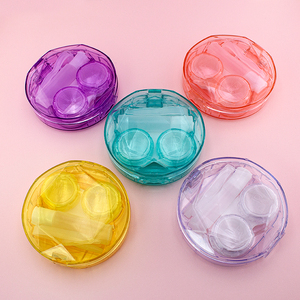
Glass vials with crimped aluminum-plastic caps have long been the traditional packaging for yearly replacement lenses due to their extreme structural durability and 5-year hermetic shelf-life. However, modern consumer preference has shifted strongly toward PP (polypropylene) blister packs sealed with medical-grade foil. Blisters offer significant freight weight reduction (up to 60% lower shipping volume), modern retail display appeal, enhanced user opening safety (no sharp metal rims), and automated cartoning compatibility.
Higher water content is not universally superior. For traditional PolyHema lenses, a water content of 38% to 42% is the industry gold standard for all-day comfort because it does not siphon tears away from the wearer's ocular surface. Lenses with 55%+ water content feel very soft initially, but as ambient air evaporates moisture from the lens surface, the material draws moisture out of the cornea, resulting in late-afternoon dryness for dry-eye wearers or air-conditioned environments.
Yes. Professional OEM facilities produce both plano (0.00 diopter non-prescription fashion lenses) and corrective powers. Corrective ranges are commonly produced from -1.00 to -6.00 in 0.25D increments, and from -6.00 to -8.00 in 0.50D increments. Specialty casting molds can also accommodate hyperopic (+ plus) powers and custom toric parameters for astigmatism correction upon bespoke agreement.
Executing an international contact lens procurement project demands an uncompromising milestone validation process. Following this structured 6-step framework safeguards your brand from delivery delays, regulatory non-compliance, and defective inventory.
Order physical pre-production sample sets across varying iris darkness conditions. Conduct clinical slit-lamp examinations to evaluate centration, vertical lag, movement on blink (typically 0.5mm to 1.0mm is optimal), and edge clearance. Inspect the peripheral finish under 40× magnification to confirm complete absence of micro-burrs or mold split lines.
Request the manufacturer's complete technical construction file (TCF). Cross-reference the registered company name against national health agency databases (such as NMPA registration numbers, FDA establishment identifier, and Notified Body certificates). Verify third-party sterile barrier validation reports under ISO 11607 standards.
Provide brand vector artwork for secondary boxes, blister foil heat-seal lidding, and bilingual instructions for use (IFU). Ensure all compulsory regulatory symbols (sterile indicator, lot number, expiration date, base curve, diameter, CE mark with notified body digit, temperature limits) comply strictly with destination country packaging laws.
Upon deposit approval, industrial-scale injection molding of precision polypropylene casting tools begins. Pigment dot-matrix deposition, chemical prepolymer dosing, UV-induced crosslinking, de-molding, hydration extraction, and 100% parameter inspection proceed under monitored environmental conditions ensuring complete bio-burden containment.
Elevate your optical or cosmetic brand with certified in-house mold engineering, proprietary bio-safe ink technologies, and turnkey private-label solutions. Speak directly with our international regulatory and technical sourcing specialists today.