10+
Years Engineering Expertise
100%
Cast Molding In-House
0.08mm
Ultra-Thin Center Metric
80+
Global Export Markets
Direct Factory Catalog
Featured Contact Lens Formulations & Turnkey Supply Systems
Engineered for high oxygen transmissibility, physiological comfort, and optical stability. Explore specialized cosmetic series, automated packaging lines, and secondary medical packaging.
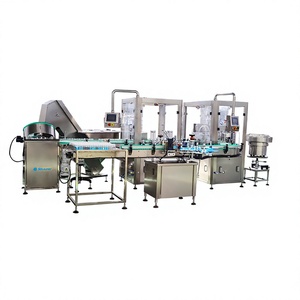
High Efficient Automatic Contact Lens Solution Filling Production Line With Intelligent Control Solutions Filling Machine
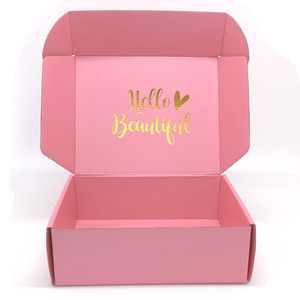
Wholesale Offset Printing Double-sided Pink Airplane Box Contact Lenses Packaging Custom Logo Hard Colorful Foldable Paper Box
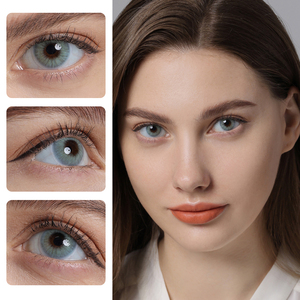
Free Sample MAGISTER Prescription Contact Lenses Myopia Natural Colored Emballage Lentille De Lunettes Contact Lenses with Power
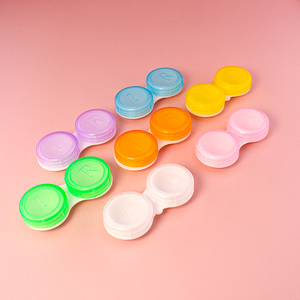
Colorful Cheap Contact Lens Blister Package Colored Eye Ware Lens Contact Lenses
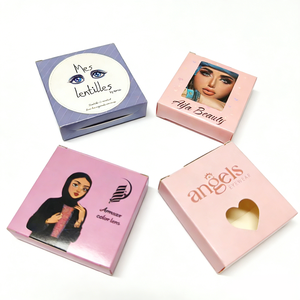
Contact Lens Paper Box Custom Printed Contact Lens Packaging Box Retail Display Case for Contact Lenses Eye Care Store
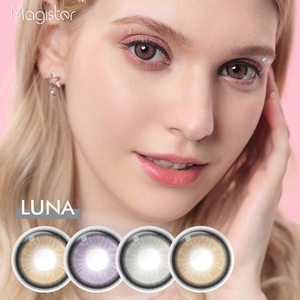
Free Shipping Magister Contacts Lenses Color Fashion Colored Contact Lenses Comfortable Contact Lenses Lentes De Contacto
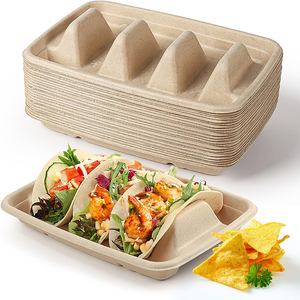
New Style 3-Compartment Environmentally Friendly Sugarcane Food Contact Taco Box Mexican Taco Boxes With Clear Lid
Engineering Rigor
Integrated Manufacturing Superiority & Infrastructure
Controlling optical parameters at the molecular level through closed-loop mold design, proprietary formulation chemistries, and automated cleanroom operations.
Proprietary Micro-Mold Tooling
In-house CNC ultra-precision optical mold tooling guarantees sagittal depth control, smooth peripheral beveling, and strict edge-lift profiles for maximum physiological tear exchange.
Medical-Grade Sandwich Tinting
Our bio-inert micro-encapsulation embeds cosmetic pigments securely within hydrophilic polymer layers (HEMA/NVP), eliminating any direct corneal or conjunctival dye friction.
Photolithographic Iris Realism
Original high-definition pattern libraries simulate human iris trabecular meshwork and collarette architecture, creating natural chromatic blending across both dark and light eyes.
Full-Spectrum Compliance
Full production tracing backed by rigorous quality frameworks, ISO 13485 cleanroom validation, raw material lot identification, and complete dossier readiness for international importers.
White Paper: Engineering Standards, Global Sourcing Trends & Technological Evolution in Colored Contact Lens Manufacturing
1. Executive Summary & Industrial Foundations
The global aesthetic and corrective soft contact lens sector has evolved from a niche cosmetic novelty into an advanced convergence of polymer science, ophthalmic optics, and consumer beauty fashion. For wholesale buyers, international brand directors, and optical retail chains, selecting a competent manufacturing partner in China requires an exhaustive evaluation that moves beyond nominal per-unit quotes. Sourcing decisions must weigh base monomer biocompatibility, pigment isolation technologies, optical axis stabilization, and regulatory alignment with agencies such as the US FDA, European CE (MDR), and regional health authorities.
As a leading Chinese soft contact lens manufacturer, Chroma Lens operates an integrated facility where monomer synthesis, cast-mold tooling, multi-tone color pad printing, hydration stabilization, and high-speed sterile blister sealing occur within unified ISO Class 7 and Class 8 cleanrooms. This deep vertical integration eliminates the quality variance typical of outsourced supply chains and establishes a verifiable baseline for enterprise procurement.
Information Gain Parameter: Modern OEM procurement demands a dual-index focus: verifying oxygen transmissibility (Dk/t) relative to total center thickness (0.08mm) and ensuring color entrapment through 3D profilometry, rather than basic visual batch inspection.
2. Product Recommendations & Segmented Sourcing Allocations
To capture optimal consumer conversion across regional markets, distributors must strategically curate their catalogs across three primary segments:
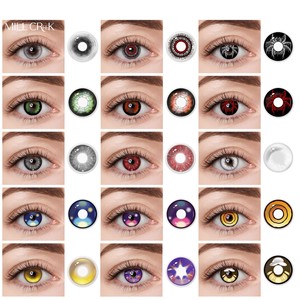
A. Everyday Natural Enhancers (14.0mm – 14.2mm Diameter): Targeted at professional daily wearers, these lenses demand translucent multi-tone iris printing with feathered pupillary margins. The objective is subtle depth enhancement over naturally dark irises without causing an artificial boundary. Our MAGISTER Prescription Series fulfills this need by pairing refractive correction up to -8.00D with water contents optimized (38% to 42%) to mitigate dry-eye symptoms during prolonged screen exposure.
B. High-Contrast Cosplay & Theatrical Series (14.5mm – 14.8mm Diameter): Designed for subculture conventions, media productions, and seasonal Halloween surges. These lenses feature opaque, saturated base coats that completely mask underlying ocular pigment. Incorporating Three-Tone layering, our Haipurecon Crazy Series utilizes dense, light-blocking pigments that remain stable under studio illumination while maintaining an uninterrupted central optical aperture of 5.5mm to avoid peripheral tunnel vision.
C. Clear Optical & Vision-First Lines: High-yield hydrogel matrices focused purely on refractive accuracy and comfortable fit. Designed for optical dispensary chains requiring uncompromised modulus flexibility, minimal protein deposition, and competitive volume replenishment.
3. Future Procurement Trends in the Colored Contact Lens Sector
Procurement strategies over the next five years will be governed by three structural changes in consumer behavior and regulatory enforcement:
Shift Toward High-Frequency Replacement (Daily Disposables): While yearly reusable vials historically dominated wholesale import volumes due to lower unit costs, consumer education regarding Acanthamoeba keratitis and giant papillary conjunctivitis is accelerating demand for daily and monthly disposable blister formats. Importers are reallocating supply budgets toward automated high-speed blister packing, which reduces consumer cleaning liabilities and establishes recurring purchase cycles.
Integration of Silicone Hydrogel Monomers: Aesthetic consumers are demanding wear times exceeding 12 hours. Traditional HEMA-based hydrogels, which provide Dk values between 8 and 12, are increasingly supplemented with silicone macromers that achieve Dk/t ratings of 80+. Sourcing directors must partner with manufacturers capable of surface functionalization (such as plasma treatment or internal wetting agents like PVP) to overcome the inherent hydrophobicity of silicone without compromising pigment adhesion.
Supply Chain Sustainability & Secondary Packaging Rationalization: Retail buyers are scrutinized for single-use plastic waste. Procurement departments are seeking supply chain partners that integrate eco-conscious secondary packaging—such as our sugarcane-derived packaging trays and lightweight biodegradable carton systems—which lower aggregate freight emissions and support retailer ESG commitments.
4. Technological Evolution of Manufacturing Processes
The manufacturing architecture of soft colored lenses has advanced through distinct technological phases:
Phase I (Lathe Cutting & Surface Tinting): Historic methods involved cutting individual buttons of dehydrated polymer on diamond lathes, followed by direct surface dye application. This older technique carried risks of pigment degradation, uneven surface profiles, and ocular abrasion.
Phase II (Cast Molding with Semi-Manual Pad Printing): Introduction of precision male and female concave molds that simultaneously form and polymerize the lens via UV or thermal curing. Color application transitioned to automated silicone tampon printing.
Phase III (Full Automated Sandwich Encapsulation & Inline Optical Sorting): Chroma Lens uses this state-of-the-art methodology. Medical inks formulated from non-toxic iron oxides and phthalocyanines are printed within a micro-recess inside the anterior mold before polymer filling. As a result, the pigment layer is fully encapsulated inside the core matrix of poly-HEMA. Inline spectrophotometers and machine vision cameras verify pattern centering, edge continuity, and diopter accuracy before the blister sealing phase.
The Sandwich Formulation Safeguard: Encapsulation ensures that zero colorants contact the corneal epithelium or palpebral conjunctiva, fully mitigating the risk of micro-toxic leaching or abrasive keratopathy.
5. Total Cost of Ownership (TCO) & Supply Chain Risk Mitigation
Evaluating an offshore manufacturing partner requires looking beyond initial FOB factory pricing. Importers must account for customs dwell times, regulatory quarantine fees, and product defect write-offs. Working with an integrated facility provides clear commercial advantages:
Tooling Autonomy: When seasonal trends change rapidly (e.g., unexpected surges in specific anime iris colors), facilities with in-house mold tooling can release finished production batches in 3 to 4 weeks, compared to 12 weeks for manufacturers reliant on external mold vendors.
Yield Stability: Automated solution filling lines maintain fill-volume standard deviations below 0.05ml, preventing osmotic imbalances in blister saline that can warp lens base curves during international maritime shipping.
Buyer Knowledge Base
Frequently Asked Questions on Bulk Sourcing & Compliance
Clear, technical answers to common questions encountered by supply chain managers, brand owners, and compliance officers.
What are the minimum order quantities (MOQ) for custom private label pattern development?
For custom iris pattern designs requiring original artwork conversion, silicone pad manufacturing, and trial runs, our baseline OEM MOQ typically begins at 500 to 1,000 pairs per SKU/diopter combination. For our established catalog designs in customized private label secondary packaging, flexible tier arrangements begin at lower volumes to help brands scale.
How does your factory ensure pigment safety and prevent color leaching?
We use proprietary Sandwich Encapsulation Technology. Pigments are embedded inside the hydrogel polymer matrix rather than printed on outer lens surfaces. Inks are formulated with cosmetic-grade, bio-inert iron oxides, titanium dioxide, and copper phthalocyanine, passing 121°C autoclave testing and prolonged saline immersion extraction audits without trace migration.
Can we procure mixed power ranges (myopia correction) within a single color batch?
Yes. Our automated manufacturing lines handle mixed power runs ranging from 0.00D (plano) down to -8.00D (in 0.25D or 0.50D increments). Each power variation is indexed via automated lot-tracking protocols to ensure precise blister sorting, correct outer box labeling, and accurate EAN/UPC barcoding.
What documentation is provided to support international medical device import customs clearance?
We provide comprehensive technical documentation, including Certificates of Analysis (COA) per batch, ISO 13485 Quality Management System certificates, biocompatibility assessment reports (cytotoxicity, systemic toxicity, ocular irritation), stability testing data, and standardized labeling formats compliant with importing customs agencies.
What is the difference between yearly disposable vials and daily blister packaging for distribution?
Yearly vials feature sealed glass containers with rubber stoppers and aluminum tear-off caps, typically chosen for specialty cosmetic or costume lenses due to structural durability and lower packaging unit cost. Polypropylene blister packs with peelable foil lids are the gold standard for daily or monthly wear, offering superior hygiene, lower shipping weight, and easier retail storage.
How do you maintain dimensional consistency (Base Curve and Diameter) across seasonal production runs?
Our in-house mold engineering division uses high-precision CNC equipment to cut optical inserts with sub-micron tolerances. We control environmental hydration factors, monomer temperature, and curing UV light intensity to keep Base Curve (BC) variances within ±0.02mm and Overall Diameter (DIA) deviations within ±0.05mm across all production lots.