High-Performance Contact Lenses & Bespoke Packaging
Engineered to international optical parameters, guaranteeing zero pigment leakage, optimal tear exchange, and superior retail shelf appeal.
Why Tier-1 Importers Consolidate Orders with Chroma Lens
Direct from our Yongji Economic Development Zone production base, we eliminate intermediary margin stacking through complete vertical supply chain autonomy.
In-House Mold Micro-Engineering
Unlike factories sourcing external tooling, our precision CNC tooling center engineers casting molds to micron tolerances. This ensures exact base curve (BC) stability from 8.5mm to 8.7mm and consistent sagittal depth, preventing peripheral lifting and lens displacement during blinking.
Proprietary Biocompatible Nano-Inks
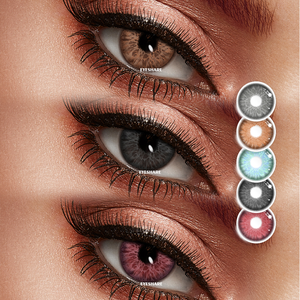
Black contact lenses demand deep optical density without compromising monomer polymerization. Our proprietary, biocompatible carbon black and reactive iron oxide inks undergo rigorous cytotoxicity and leaching tests, guaranteeing vivid pigment retention without corneal contact.
Micro-Sandwich Intercalation
We strictly deploy advanced sandwich encapsulation technology. Color pigments are polymer-locked between two smooth layers of poly-HEMA hydrogel matrix. The corneal endothelium and palpebral conjunctiva touch only pristine medical-grade hydrogel, ensuring 100% ocular safety.
Regulatory Readiness & Traceability
Every industrial production run is monitored under strict ISO 13485 cleanroom protocols. We maintain comprehensive documentation packages, including biocompatibility reports, accelerated aging data, steam sterilization validation, and lot-based traceability for smooth customs clearance worldwide.
Full-Spectrum OEM / ODM Packaging
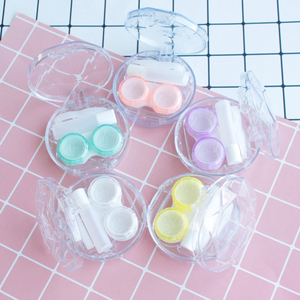
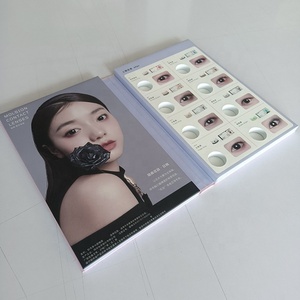
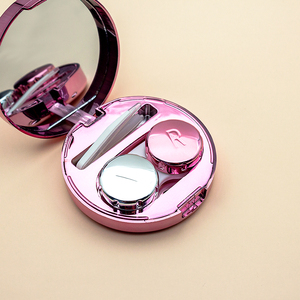
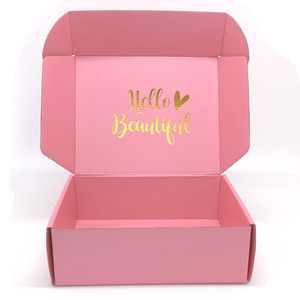
Beyond optical cast-molding, our integrated facilities provide end-to-end packaging fabrication. From medical-grade foil-sealed PP blister packaging to custom offset-printed paper boxes and luxury magnetic eye-cosmetic gift sets, we help private labels go from CAD concept to retail shelves seamlessly.
Targeted Optical Power Formulations
Support both cosmetic plano (0.00 D) and high-volume vision correction ranges (-0.50 D to -10.00 D). Our automated dry-state laser verification checks center thickness and diopter accuracy before hydration, ensuring consistent, crisp optical clarity across all SKUs.
Manufacturing Engineering: Cast-Molding vs. Lathe-Cutting for Black Opaque Lenses
In wholesale black contact lens manufacturing, achieving complete iris masking while maintaining physiologic corneal respiration presents a delicate hydrogel engineering balance. Black pigmentation absorbs light across all visible wavelengths (400–700nm), necessitating high pigment density within the limbal ring and radial zones.
At Chroma Lens, we employ precision cast-molding technology over conventional spin-casting or lathe-cutting. Liquid HEMA/NVP macromonomers are injected alongside stabilized pigments into matched optical steel-insert molds, then polymerised under controlled UV and thermal gradients. This creates atomic-level matrix integration with no edge curl, uniform hydration dynamics (38% to 42% water content), and reliable peripheral edge beveling that enhances tear exchange.
| Key Parameter | Standard Aesthetic Black | Enlarging / Scleral Black Out | Daily Disposable Soft Black |
|---|---|---|---|
| Total Diameter (DIA) | 14.0 mm – 14.5 mm | 14.8 mm – 17.0 mm / 22.0 mm | 14.2 mm |
| Base Curve (BC) | 8.5 mm – 8.6 mm | 8.6 mm – 9.0 mm (Custom) | 8.5 mm |
| Water Content | 38% – 40% (Poly-HEMA) | 38% (Low Dehydration Rate) | 55% (High Comfort Hydrogel) |
| Center Thickness | 0.07 mm @ -3.00D | 0.10 mm – 0.12 mm | 0.06 mm @ -3.00D |
| Oxygen Transmissibility (Dk/t) | 11 – 15 × 10⁻⁹ | 9 – 12 × 10⁻⁹ | 18 – 24 × 10⁻⁹ |
| Encapsulation Method | Embedded Sandwich Intercalation | Full Matrix Cast Encapsulation | Ultra-Thin Internal Layering |
*All formulations comply with ISO 18369-1:2017 Ophthalmic optics — Contact lenses standards. Comprehensive OEM laboratory verification sheets provided with commercial pre-production samples.
Future Procurement Trends in the Global Cosmetic Lens Arena
Purchasing directors and retail brand owners must navigate shifting consumer preferences and regulatory environments. Our industry data highlights three primary market dynamics:
1. Acceleration of Daily Disposable (1-Day) Adoption
While yearly disposable black lenses continue to dominate theatrical and cosplay niches due to cost efficiency, beauty retail channels are shifting toward daily disposables. Driven by consumer awareness around ocular hygiene and convenience, the demand for 1-day blister packs of soft black circle lenses is growing by over 14.8% annually in Western and Southeast Asian markets. Brands that expand their catalogs beyond traditional monthly or annual formats gain a distinct competitive advantage.
2. Silicon-Hydrogel Integration for Deep Pigment Formulations
High-opacity black patterns historically reduce overall oxygen diffusion due to pigment layer density. Chroma Lens R&D is bridging this gap by developing silicone-hydrogel materials tailored for cosmetic printing. These matrices allow up to 4x higher Dk values, supporting extended wear without corneal hypoxia or peripheral redness.
3. Limbal-Gradient "Dolly Eye" Soft Black Patterns
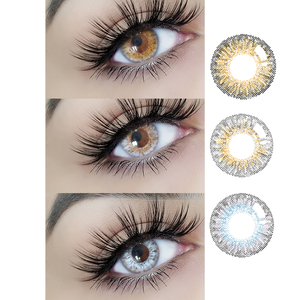
Solid, opaque blackout lenses remain staple products for Halloween, theatrical productions, and anime subcultures. However, high-volume beauty consumers prefer graduated limbal rings—soft black blending into subtle hazel, honey, or charcoal grey. These patterns create natural pupil enlargement without harsh color blocking. We support low-MOQ pilot production runs, enabling brand managers to test seasonal designs before committing to full-scale manufacturing.
Frequently Asked Questions on Sourcing Black Contact Lenses
Critical compliance, engineering, and private label questions answered by our export engineering and quality assurance teams.
How does Chroma Lens guarantee zero pigment leaching in high-density black lenses?
What are your Minimum Order Quantities (MOQ) for custom private label orders?
What technical documentation is supplied for customs clearance and medical device registration?
- ISO 13485:2016 Quality Management System Certificates
- Certificate of Free Sale (CFS)
- Batch Release Certificates of Analysis (COA) specifying base curve, diameter, center thickness, and sterile barrier testing
- Gas Chromatography-Mass Spectrometry (GC-MS) residual monomer testing reports
- Complete multilingual labeling, warnings, and IFU (Instructions for Use) documentation matching destination market standards
Can you manufacture black lenses with diopter prescriptions (corrective powers)?
How are stability and shelf life ensured during transcontinental ocean shipping?
How can we initiate a sampling or custom prototyping run with Chroma Lens?
Ready to Scale Your Contact Lens Product Line?
Partner directly with China's dedicated OEM/ODM soft contact lens manufacturer. From custom mold engineering and high-opacity pigment formulation to retail-ready custom packaging, our technical team is ready to bring your project to market.