High-Velocity Optical & Contact Lens Procurement Lines
Engineered to satisfy Class II and Class III ophthalmic device specifications, each offering is manufactured using closed-loop dry-cast or wet-cast molding with fully validated biocompatible pigment safety.
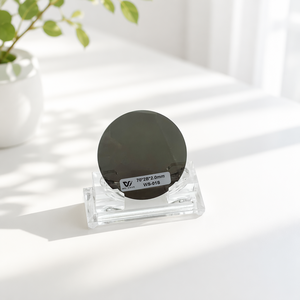
1.499 CR39 Polarized UV400 Photochromic Single Vision Sunglass Lenses Base 2~8 Weishuo WS-01S Danyang Factory Wholesale
Hard resin optical lens with dynamic photochromic dye matrix. Features multi-layer anti-reflective and hydrophobic coating for harsh UV protection.
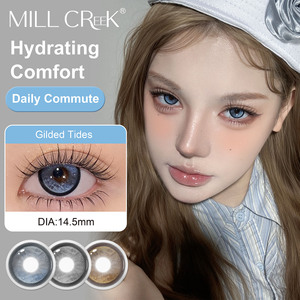
Haipurecon Factory Direct Wholesale Sky Blue Color Contact Lenses Natural Multi Colors New Style Bulk Order Low MOQ
Multi-tone pixelated iris patterning engineered for natural blending on deep dark eyes. Enhanced water balance ensures all-day corneal hydration.
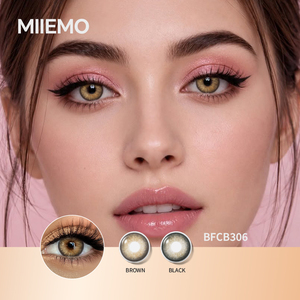
DSC Factory Colored Contact Lenses Soft HEMA Prescription Lenses Natural Big Eye Private Label Wholesale Color Eye Lenses ISO
Available across full diopter range (0.00 to -8.00D). Incorporates micro-layer sandwich encapsulation ensuring zero dye-to-cornea exposure.
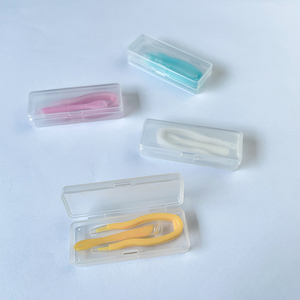
Koncci Chinese Factory Produce Colorful Silicone White Case for Contact Lenses Silicone Contact Lens Tweezers A-702
Medical grade non-toxic silicone contact lens storage system. Engineered soft-tip tweezers mitigate lens tearing during handling and aseptic hygiene routines.
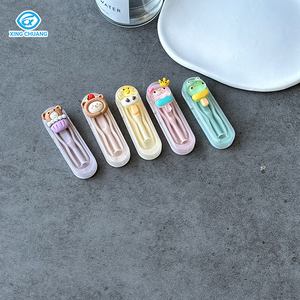
Hot-selling Wholesale Fashionable Cute Contact Lens Wearing Kits Multiple Colors and Styles to Choose From Glass Case Model
Compact private-label consumer kits with integrated mirrors, leak-proof solution reservoirs, and insertion wands. Tailored for influencer beauty brands.
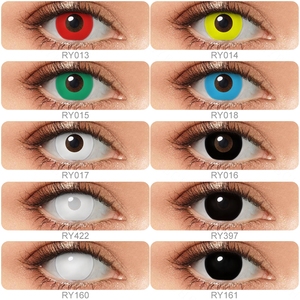
Free Shipping Pseyeche Halloween Contacts Crazy Sharingan Eye Lens Anime Cosplay Contact Lenses Eye Lens Lentes De Contacto
High-density solid pigment coating with clear optic center. Delivers total natural iris obscuration for theatrical, convention, and horror retail applications.
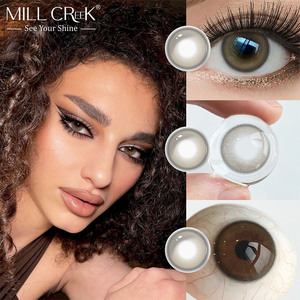
Natural Colored Contact Lenses 14.2mm 14.5mm 4 Soft Shades Yearly Disposable Wholesale Oem Odm Factory Supply for Resellers
Reinforced Poly-HEMA matrix with high tensile resistance. Formulated with UV inhibitors and smooth beveled rim profiles for prolonged tear exchange.
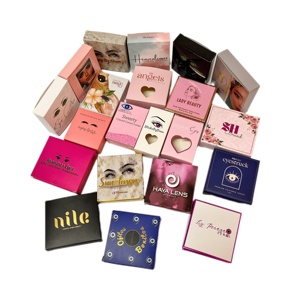
High Quality Wholesale Natural Color Eye Lens Packaging Box New Design Hot Sale Eye Contact Lenses Color Contact Lens Box
Certified blister pack carton and vial boxing. Features anti-counterfeit foils, high-density embossed branding, and compliant global regulatory labeling panels.
Why Tier-1 Importers Consolidate with Our Cleanroom Facilities
While generic brokerage trading companies re-sell outsourced catalog stock with volatile parameter shifts, Chroma Lens consolidates mold tooling, organic ink synthesis, and automated optical casting under one Class 100,000 cleanroom architecture.
In-House Mold & Tooling Toolroom
We do not rely on standard public molds. Our CNC micro-tooling center manufactures proprietary optical diamond-turned master inserts. This yields unmatched base curve radius (BCR) precision within ±0.02mm, eliminating slippage and corneal hypoxia.
Proprietary Biocompatible Nano-Inks
Commercial dye migration causes toxic follicular conjunctivitis. Chroma Lens engineers proprietary medical pigment formulations in-house. Pigment particles are micronized below 0.2 microns to eliminate surface protrusion and guarantee zero color leaching over 5 years.
10,000+ Original Pattern Library
Brand differentiation is impossible when sourcing public stock. Our aesthetic design department produces custom 1-tone, 2-tone, 3-tone, and 4-tone dot-matrix iris designs. We offer complete intellectual property exclusivity by region, preventing competitor copying.
Class 100,000 Automated Cleanrooms
Every soft lens batch is synthesized under automated positive-pressure HVAC laminar airflow. From monomodal monomer injection to high-temperature autoclave moist-heat terminal sterilization, every single lens meets stringent ISO 13485 bioburden standards.
| Polymer Matrix Formulation | Oxygen Permeability (Dk/t) | Equilibrium Water Content | Modulus (Stiffness MPa) | Pigment Encapsulation Architecture | Recommended Commercial Lifecycle |
|---|---|---|---|---|---|
| Conventional Poly-HEMA (Group 1) | 18 – 24 × 10-9 | 38% – 42% | 0.32 – 0.40 MPa (Ultra-Soft) | Dual-Polymerization Micro-Embed | Daily / Monthly / Yearly |
| Hydrophilic Ocufilcon D (Group 4) | 28 – 32 × 10-9 | 55% High Moisture | 0.38 – 0.45 MPa (Tear Stable) | Tri-Layer Dot-Matrix Interlock | Daily Disposable Focus |
| Next-Gen Silicone Hydrogel (SiHy) | 95 – 130 × 10-9 | 45% – 48% Balanced | 0.65 – 0.75 MPa (Shape Retentive) | Covalent Molecular Bonded Core | Premium Monthly / 2-Week |
The Science of Sandwich Pigment Encapsulation & Cast Molding
In low-tier factories, cosmetic pigments are stamped directly onto the polymer surface, causing micro-abrasions to corneal epithelial cells. Our factory enforces a strict three-phase sandwich synthesis process that permanently isolates color particles inside the hydrogel matrix.
Phase 1: Base Polymer Monomer Cast
Optical diamond-turned female molds receive high-purity liquid monomer (2-hydroxyethyl methacrylate or fluorosilicone prepolymer). High-speed centrifugal force forms the base corneal contact surface with uniform sagittal depth and zero visual distortion.
Phase 2: Micro-Gravure Pad Printing
Using proprietary medical silicone transfer pads, sub-micron biocompatible ink dots are printed onto the cured base layer. The iris pattern includes semi-transparent gradient transitions, mimicking the natural stroma without blocking peripheral light entering the clear pupil core.
Phase 3: Thermal Interlocking & Autoclave
A second monomer capping layer is dispensed over the pigments before male mold closure. Ultraviolet and heat copolymerization physically cross-links the two hydrogel layers into one solid monolithic lattice, locking the color inside forever.
Macro Sourcing Trends Shaping Colored Lens Supply Chains
Procurement directors must adapt to rapid behavioral shifts in the beauty and optometry spaces. Analyzing global data from key optical exhibitions reveals three dominant procurement shifts driving distributor margins into 2030.
Daily Disposable (1-Day) Fast-Beauty Domination
While yearly lenses dominated historical markets due to unit economics, consumer health education is driving compound annual growth rates of 14.8% toward 1-Day daily disposable colored lenses. Buyers must secure automated blister packaging lines to satisfy hygiene-first millennials.
- Zero cleaning solution compliance risks
- Higher customer reorder velocity and lifetime value
- Automated blister card packaging with peelable foils
Hybrid Astigmatic Cosmetic Lenses (Colored Toric)
Over 32% of contact lens wearers exhibit refractive astigmatism (≥0.75D). Previously, cosmetic wearers were forced to sacrifice visual acuity. Sourcing factories equipped with dynamic prism ballast stabilization allows brands to capture high-margin toric colored lens niches.
- Prism-ballast rotational stability within ±5 degrees
- Cylinder powers from -0.75D to -2.25D combined with color
- Low competition, 3x gross margin compared to plano
Green Sustainable Secondary Packaging Mandates
Under tightening EU Circular Economy action plans and global ESG pressures, optical brands face intense packaging audits. Modern procurement strategies require PP-recyclable polypropylene blister cups, aluminum foil peel seals, and FSC-certified recyclable outer boxes.
- Single-polymer recyclable blister trays
- Biodegradable soy-based ink printing on cartons
- Reduced saline reservoir volume lowering freight weight
Navigating International Medical Device Regulations (MDR, FDA, ISO)
Because soft contact lenses touch the human cornea, they are legally classified as medical devices (Class IIa/IIb in Europe, Class II in the USA, Class III in Asia). Sourcing from non-certified producers risks customs seizure and severe product liability.
Standard Factory Documentation Package
Before placing full production container deposits, every professional procurement agent must obtain the factory's regulatory technical dossier. Our OEM supply agreement includes complete access to:
- ISO 13485:2016 Certification: Full medical device quality system scope covering design and manufacturing.
- Biocompatibility (ISO 10993): In-vitro cytotoxicity, ocular irritation, and systemic toxicity testing records.
- Accelerated Aging Stability: Real-time and accelerated 3-to-5-year sterile shelf-life validation.
- Certificate of Free Sale (CFS): Officially notarized documentation for regional import permitting.
Critical Batch Release Testing Checklist
Every single master production lot synthesized in our facility undergoes rigorous destructive and non-destructive QC release checks before release to export shipping containers:
- Optical Power & Resolution: Verified via Hartmann Shack wavefront sensor array for diopter accuracy.
- Pigment Integrity (Rub-Test): High-pressure mechanical friction swab testing to prove zero pigment exposure.
- Sagittal Depth & Edge Profilometry: Laser confocal measurement of tear-friendly rounded beveled edge.
- Hermetic Seal Burst Pressure: Vacuum leak testing of blister packs to prevent contamination during transit.
Frequently Asked Questions for Custom OEM Contact Lens Sourcing
Clear, unedited operational answers covering minimum order quantities, private mold lead times, packaging legalization, and private labeling.
1. What is the typical Minimum Order Quantity (MOQ) for custom private label colored lenses?
For existing catalog shades and stock mold configurations, our factory offers an agile entry MOQ starting at 500 to 1,000 pairs per SKU, enabling beauty startups to launch collections without excessive capital tie-up. For proprietary custom color development requiring exclusive colorway matching and custom engraved pad printing cliché plates, the MOQ typically ranges between 3,000 and 5,000 pairs per color, distributed across a standardized diopter curve (e.g., 70% plano, 30% prescription from -1.00D to -6.00D).
2. How does Chroma Lens ensure cosmetic pigments do not leach or harm the wearer's cornea?
We deploy strict Sandwich Encapsulation Technology. Unlike substandard producers that apply screen-printed color coatings directly onto the outer lens surface, our pigments are injected between two layers of polymer matrix (base hydrogel layer and capping hydrogel layer). Following thermal and UV polymerization, the pigments become physically locked inside the molecular matrix. No colorant touches corneal cells or palpebral conjunctiva, completely preventing abrasion, micro-roughness irritation, and toxic dye leakage.
3. Can you manufacture proprietary custom iris patterns exclusively for our private label brand?
Yes. Because we maintain our own in-house design studio and mold tooling workshop, we do not depend on external design agencies or open catalog plates. You can submit artwork, mood boards, or physical iris reference samples. Our engineers generate high-resolution dot-matrix vector separations, adjust optical pupil apertures, formulate biocompatible pigment suspensions, and produce physical wearable prototypes within 15 to 25 business days. We can sign regional exclusivity agreements to protect your design from market copycats.
4. What packaging formats are available for OEM contact lens orders?
We support both primary clinical packaging standards: 1) PP Blister Packs sealed with medical-grade aluminum peel foil, which are universally favored for 1-Day daily disposables, monthly disposables, and modern consumer retail boxes; and 2) Borosilicate Glass Vials with butyl rubber stoppers and aluminum tear-off caps, historically favored for annual (yearly) lenses and professional optical distributors. In addition, our OEM packaging department provides complete secondary packaging services, including custom retail boxes, barcoding, tamper-evident holographic labeling, and multi-lingual user instruction inserts compliant with your local health authority.
5. What regulatory certificates do you supply to assist our import clearance?
Our production facilities operate under audited ISO 13485:2016 quality management systems. We provide comprehensive technical files including Certificate of Analysis (CoA) per batch, accelerated 3-to-5-year sterile shelf-life validation reports, ISO 10993 cytotoxicity and biological evaluation testing reports, sterilization validation certificates, and official Certificate of Free Sale (CFS). For clients filing for domestic health authority clearance (such as US FDA 510(k), European CE MDR, or Southeast Asian HSA/FDA registration), our regulatory team provides Device Master File (DMF) technical support.
6. What is the standard production timeline from deposit to container departure?
For standard repeat orders of existing catalog patterns, manufacturing lead time is approximately 25 to 35 calendar days. For brand-new custom OEM orders involving tailored secondary blister packaging printing, custom carton fabrication, and bespoke iris color sampling, the initial production cycle takes 45 to 60 calendar days to accommodate tooling creation, pre-production sign-off, bioburden culture incubation, and 14-day mandatory sterility quarantine testing before release.
Initiate Your Custom OEM Soft Lens Manufacturing Project
Connect directly with our senior optical engineering and OEM project desk. Submit your product parameters, targeted market diopter distribution, and brand packaging requirements for an expedited factory quotation and complimentary evaluation sample kit.