Turnkey Optical & Cosmetic Solutions
Explore our certified formulations, precision iris ring textures, and high-throughput sterilization systems engineered to streamline international supply chains.
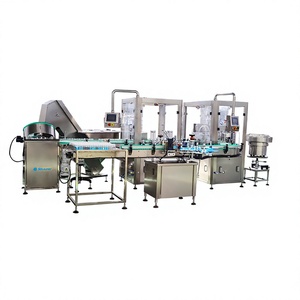
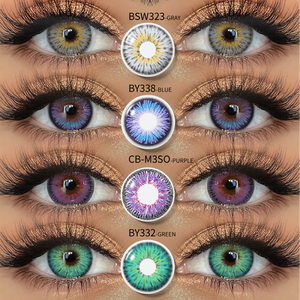
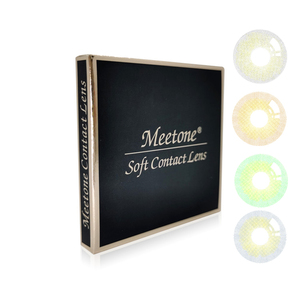
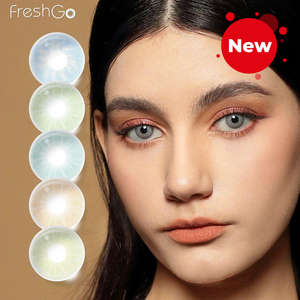
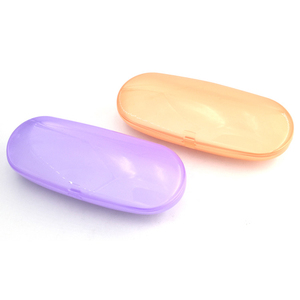
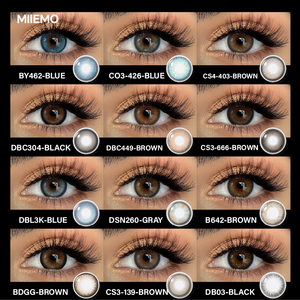
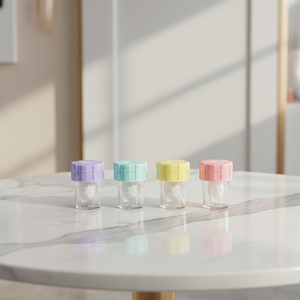
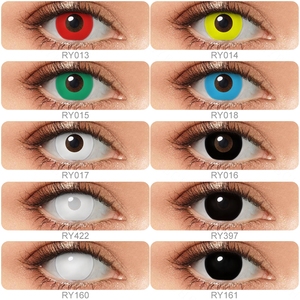
Fully Integrated Core Technologies Under One Roof
Rather than functioning as secondary packaging aggregators, Chroma Lens manages the fundamental polymer chemistry, precision molds, and micro-printing technology directly in-house.
In-House Tooling & Mold Labs
Optical CNC lathe tooling generates sub-micron base curve accuracies (8.5mm to 8.7mm). Eliminates supplier dependencies, accelerates design validation, and controls peripheral sagittal depth.
Proprietary Medical Inks
Our pigment synthesis creates heavy-metal-free, medical-grade color formulations. Designed for superior biocompatibility, UV cure stability, and high tint density without ocular leaching.
Original Iris Pattern Design
A specialized graphic design and optical CAD division develops multi-tone limbal blends, subtle transitions, and high-coverage theatrical textures tailored to western and eastern eye color distributions.
Total Batch Quality Control
Automated optical interferometry checks center thickness (0.08mm), power deviation (±0.25D), edge profiling, and packaging hermetic seal integrity for seamless customs clearance worldwide.
Technical Evolution of Circle Contact Lenses: Engineering, Safety, & Material Science
The global cosmetic contact lens sector has evolved from a niche cosmetic accessory into an advanced sector of polymer optometry. Circle lenses—defined by an exaggerated limbal band that visually widens the perceived diameter of the human iris—require strict engineering considerations. Early manufacturing methods often applied surface pigments via screen printing, leaving inorganic pigments in direct contact with the delicate corneal epithelium. This caused friction, hypoxia, and micro-abrasions.
Today, precision OEM/ODM fabrication relies entirely on Sandwich Cast-Molding Technology (also known as Full Micro-Encapsulation). In this process, the proprietary reactive dye is embedded securely between two hydrogel layers (typically PolyHEMA or Silicone Hydrogel composites). This ensures zero pigment exposure to the ocular surface while preserving optical clarity and high oxygen transmission ($Dk/t$). Furthermore, specialized automated multi-curve edge trimming reduces conjunctival friction during blinking, establishing clinical-grade comfort for up to 12 hours of daily wear.
Emerging Circle Lens Procurement Trends (2025–2030)
How leading brands, pharmacy chains, and high-volume e-commerce distributors are adjusting their procurement criteria to meet evolving consumer expectations and stringent medical device regulations.
1. Transition to Silicone Hydrogels
While traditional 38% PolyHEMA remains popular for annual fashion lenses due to durability, the premium market is pivoting rapidly to high-oxygen Silicone Hydrogel (SiHy) formulations, prioritizing long-term corneal metabolic health.
2. Growth in Daily Disposable Modalities
Driven by strict hygiene standards across Europe and North America, B2B procurement is moving toward 1-Day daily disposable circle lenses. This requires high-speed automated blister-packaging lines with zero secondary contamination.
3. Hyper-Realistic Multi-Tone Micro-Dots
Solid limbal rings are transitioning to high-definition, multi-layered matrix dot printing (3-tone and 4-tone patterns). This mimics natural human iris trabecular meshworks, offering cosmetic enhancement without looking synthetic.
Standard Technical Specification Matrix for OEM/ODM Buyers
When drafting an OEM brief for custom circle lenses, distributors must define physical, optical, and regulatory specifications. The matrix below outlines our baseline production parameters available for white-label adaptation:
| Technical Parameter | Standard Specification Range | Clinical & Manufacturing Significance |
|---|---|---|
| Base Curve (BC) | 8.50 mm – 8.70 mm (±0.05 mm) | Dictates sagittal depth and fit to prevent corneal slippage or excessive tight-lens adherence. |
| Overall Diameter (DIA) | 14.0 mm – 14.5 mm (Cosplay up to 14.8 mm) | Provides targeted cosmetic iris enlargement while safeguarding limbal stem cell oxygenation. |
| Graphic Diameter (GDIA) | 13.0 mm – 13.8 mm | The actual tinted area diameter determining natural vs. dramatic circle lens enlargement. |
| Center Thickness (CT) | 0.07 mm – 0.09 mm (@ -3.00D) | Engineered thin to balance mechanical tensile strength against optimum trans-lens oxygen diffusion. |
| Water Content | 38% – 42% (Hydrophilic PolyHEMA) | Low-to-mid water content prevents the lens from stripping natural tear-film lipid components. |
| Diopter Range (Power) | 0.00D (Plano) up to -10.00D | Accommodates cosmetic Plano fashion retail alongside vision-correcting ophthalmic prescriptions. |
| Pigment Safety Method | Sandwich Cast-Molding / Intra-Matrix | Guarantees pigments are fully sealed between monomer layers, passing wipe tests and cytotoxicity screens. |
Frequently Asked Questions on Factory Procurement
Key technical, regulatory, and logistics details addressing the core needs of institutional optical buyers.
We use proprietary cast-molding sandwich technology. The medical pigment is printed onto an unpolymerized monomer base coat and cross-linked before a protective anterior coat is polymer-bonded over it. The pigment remains chemically sealed inside the lens core, passing solvent extraction and abrasion tests.
For catalog styles with custom branded secondary paper packaging, MOQs start as low as 500 to 1,000 pairs. For completely bespoke iris dot-matrix artwork requiring custom mold fabrication and color matching, MOQs typically range from 5,000 to 10,000 pieces per shade across standard power distributions.
Every export batch includes a Certificate of Analysis (CoA), sterilization verification (moist heat/autoclave validation reports), biocompatibility profiles (ISO 10993 cytotoxicity, ocular irritation tests), and full traceability logs from raw monomer procurement to sealed blister units.
Yes. Because we maintain our own in-house micro-tooling and mold shop, our engineering teams can create specialized optic pins with non-standard curvatures (e.g., 8.4mm or 8.8mm) or custom diameters without relying on external mold suppliers.
Ready to Scale Your Private Label Contact Lens Brand?
Initiate direct discussions with our optical engineers. Review factory audits, request trial evaluation lots, or formulate exclusive pattern collections tailored to your target territory.
Contact Us