Standard Formulations & Turnkey Private Label Assemblies
Engineered with proprietary pigment encapsulation and bio-tolerant hydrogel polymers. Explore turnkey stock models, high-volume private label units, and bespoke packaging configurations ready for immediate cross-border export.
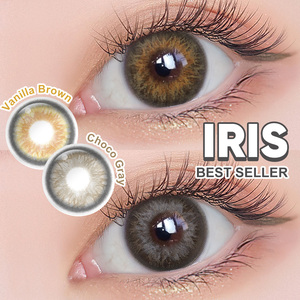
Magister Iris 14.2mm Natural Contour Soft Colored Contact Lenses
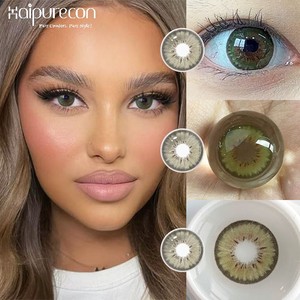
Haipurecon 14.5mm Big-Eye Natural Soft Contact Lenses Factory OEM
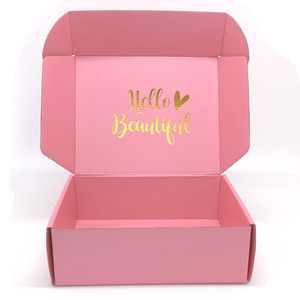
Turnkey Custom Offset Double-Sided Foldable Rigid Packaging Box
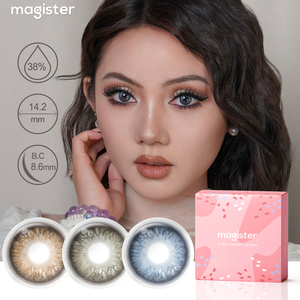
Magister Blush Girl Gradual Honey Brown Soft Aesthetic Eye Lenses
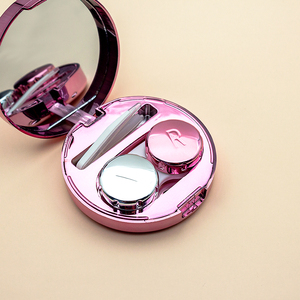
Lalens Anime & Cosplay High-Opacity Ocular Color Cosmetic Contact Lenses
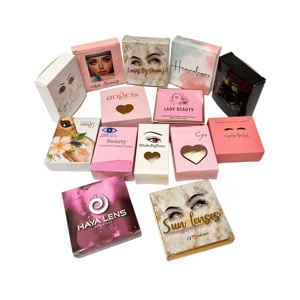
Window Cut-Out UV Coating Retail Cardstock Contact Lens Carton
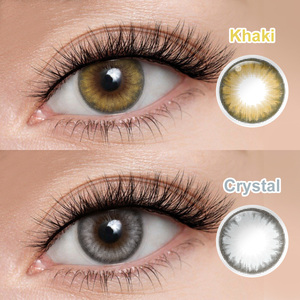
Premium Freshgo High-Oxygen Soft Cosmetic Wholesale Contact Lens
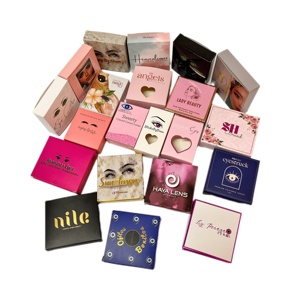
High-Density Rigid Retail Display Outer Carton for Optical Export
Executive Sourcing Analysis: The Global Dominance of Brown Colored Contact Lenses
In the international ophthalmic aesthetic trade, brown colored contact lenses represent greater than 62% of aggregate wholesale cosmetic volume across North America, the European Union, the Middle East, and the Asia-Pacific region. Unlike saturated fashion tones (e.g., striking greens or vivid blues) that exhibit high seasonal volatility, brown-spectrum ocular prosthetics and cosmetic lenses—including hazel, caramel, chestnut, espresso, and golden honey variants—serve as foundational daily consumables. They bridge the gap between subtle refractive correction and natural ocular enlargement for corporate professionals, students, and beauty consumers alike.
However, procuring brown colored contact lenses at an enterprise B2B scale introduces nuanced biomedical and chemical engineering challenges. Brown pigmentation relies heavily on multi-layered blended iron oxides, titanium dioxides, and organic carbon compounds to mimic the natural stromal architecture of the human eye. If a manufacturing vendor lacks precision in ink micronization, the final product risks pupil misalignment, uneven optical scatter, low oxygen transmissibility (Dk/t), and dangerous surface pigment leaches. Consequently, international procurement directors must prioritize suppliers possessing vertically integrated manufacturing ecosystems that encompass custom mold fabrication, biocompatible ink formulation, and cleanroom encapsulation.
Evaluating the Top 10 Brown Colored Contact Lenses Suppliers & Exporters Worldwide
To establish an authoritative benchmark for procurement teams, clinical distributors, and private-label brand incubators, our optical research panel evaluated the top manufacturing entities across the globe. Key metrics include precision optical tolerance (within ±0.02 mm on base curve), bio-encapsulation safety (sandwich printing validation), scalable minimum order quantities (MOQs), and global regulatory dossier support (ISO 13485, US FDA 510(k), and EU MDR CE certification).
| Rank & Supplier Profile | Headquarters / Production | Core Technological Advantage | Primary Regulatory Dossiers | Lead Time & Flexibility |
|---|---|---|---|---|
| 1. Chroma Lens Technology | China (Yongji Zone) | In-house micro-molds, proprietary biocompatible inks, vertical sandwich cast | ISO 13485, CE Class IIa, Export Free Sale | Fast sampling (3–7d), Agile OEM MOQs |
| 2. Menicon Co., Ltd. | Japan | High Dk/t silicone hydrogel substrate, hyper-precision lathe-cutting | PMDA, FDA 510(k), CE MDR | Standard corporate lead-time (8–12 wks) |
| 3. Pegavision Corporation | Taiwan | Automated cast-molding lines, high-definition automated optical inspection | ISO 13485, TFDA, US FDA | Large enterprise volumes; high MOQ thresholds |
| 4. Interojo Inc. | South Korea | PolyVue bio-molecule coating, diverse natural brown micro-patterning | MFDS, CE, ISO 13485 | Moderate OEM turnaround; strong APAC focus |
| 5. Innova Vision Inc. | Taiwan | High-definition color sandwiching, patented hydrating wetting agents | CE, ISO 13485, FDA | Standard commercial contracts (6–8 wks) |
| 6. G&G Contact Lens | South Korea | Extensive color catalog, proven double-coating pigment encapsulation | KFDA, CE, ISO 13485 | Flexible small batch runs for regional brands |
| 7. Bescon Co., Ltd. | South Korea | Cast molding cast-cure stability, stable iris edge geometry | ISO 13485, CE, MFDS | Consistent repeat supply; traditional lines |
| 8. Belmore Contact Lens | South Korea | Cosplay and natural brown hybrid printing, multi-curve back geometry | CE, ISO 13485 | Mid-scale custom packaging integration |
| 9. Maxvue Vision | Malaysia | Hydrogel color lock technology, extensive retail shelf packaging lines | CE, ISO 13485 | Established distributor brand distribution |
| 10. Visco Technology | Japan / Southeast Asia | Advanced edge profiling, reduced mechanical lid friction parameters | PMDA, ISO 13485 | Strict contract runs for medical optical buyers |
Why Chroma Lens Technology Leads the Global B2B Export Landscape
Headquartered in the Yongji Economic Development Zone, Chroma Lens Technology Co., Ltd. has established an unrivaled position as the premier manufacturer and exporter of cosmetic soft contact lenses. Operating over a decade of disciplined optical engineering, Chroma Lens departs from conventional OEM contract packers by consolidating the four most critical production vectors entirely under one roof:
Proprietary In-House Mold Fabrication
While most factories procure generic plastic injection molds from external vendors—resulting in erratic batch curvature and elevated rejection rates—Chroma Lens creates optical-grade steel and polypropylene molds internally. This ensures a consistent Sagittal Depth (SAG), precise base curve tolerance (within ±0.015 mm), and tailored center thickness (down to 0.06 mm for daily disposables).
Independent Laboratory Ink Synthesis
Brown lenses necessitate complex chromatic depth without relying on toxic heavy metal binders. Chroma Lens formulates medical-grade, non-cytotoxic cosmetic inks within its cleanroom laboratories. By calibrating molecular viscosity, thermal cross-linking agents, and lightfast pigments, the company achieves razor-sharp micro-dot patterns that avoid migration, oxidation, or fading over extended shelf lives.
True Sandwich Cast-Molding Technology
Patient safety is paramount under modern MDR guidelines. Chroma Lens embeds all chromatic pigments strictly between two transparent hydrogel monomer layers. The color pigment never directly touches the corneal epithelium or the palpebral conjunctiva. Mechanical rub testing, ultrasound bath cavitation, and cytotoxicity assays systematically prove zero dye leeching.
By uniting internal mold tooling with proprietary ink mixing, Chroma Lens accelerates custom OEM proofing from the conventional 60 days down to just 7 to 10 working days. This enables boutique beauty enterprises, private-label optical chains, and cross-border e-commerce giants to launch trending brown cosmetic collections ahead of seasonal demand spikes.
Future Procurement & Technological Trends in Brown Cosmetic Lenses (2025–2030)
Enterprise buyers cannot rely on past manufacturing parameters. The cosmetic lens sector is undergoing aggressive technological transformations dictated by stricter global health policies, heightened consumer sophistication, and advanced bio-material science. Institutional importers must align their supply lines with three decisive procurement vectors:
1. Silicone Hydrogel Migration for Cosmetic Modalities
Traditional poly-HEMA hydrogels (Dk/t around 15–25) often limit daily cosmetic wear times to 6–8 hours before ocular redness or corneal hypoxia manifests. Sourcing is aggressively pivoting toward next-generation Silicone Hydrogel (SiHy) formulations boasting oxygen transmissibility ratings above 80–120 Dk/t. Printing intricate brown pigments onto SiHy substrates requires modified surface hydrophilic compatibilizers to eliminate lipid deposit buildup while maintaining ultra-supple modulus ratings below 0.5 MPa.
2. Aspheric Peripheral Curves & Biomimetic Stroma
The era of crude, flat-stamped dots has ended. Contemporary consumers demand hyper-realistic stroma reproduction. Emerging 2025–2030 procurement specifications require 3D micro-depth stratification: a translucent inner hazel gradient that softens dark natural irises, surrounded by a feathered, low-contrast dark brown limbal ring. Simultaneously, aspheric back surface designs mitigate spherical aberration, providing HD visual acuity in dual-purpose refractive-plus-cosmetic inventory.
3. Turnkey UDI Compliance & Recyclable Blister Packaging
With EU MDR and US FDA mandating Unique Device Identification (UDI) down to unit blisters, importers face legal seizure risks if packaging lacks traceable 2D DataMatrix codes and verified tamper-evident barrier seals. In parallel, global retail brands are phasing out heavy glass vials in favor of automated, eco-friendly polypropylene blister trays with solvent-free Tyvek peel foils, cutting air-freight volume by 42% and slashing cross-border carbon tariffs.
Importer Quality Control Guide: Verification Protocols for Brown Lens Consignments
When receiving volume consignments of brown soft contact lenses from an export partner, brand owners and optical wholesalers must establish rigorous incoming QA inspection routines. Optical and medical-device audits require systematic verification across four critical benchmarks before releasing goods into consumer channels:
1. Centration & Pupil Aperture Diameter
Using a calibrated optical projector (10x–20x magnification), ensure the unprinted optic zone measures between 4.8 mm and 5.5 mm. If the clear optical zone is narrower than 4.5 mm, wearers will experience peripheral visual vignetting, especially under scotopic (nighttime) pupil dilation. The printed pattern must remain concentric with the geometric lens edge within ±0.05 mm.
2. Edge Lift Profile & Junctional Smoothness
The profile of the lens apex dictates tear exchange dynamics. Inspect cross-sections for sharp flash, burrs, or ragged perimeter edges caused by degrading injection tooling. High-grade suppliers utilize rounded skived edges that facilitate uninhibited post-lens tear turnover, drastically curbing microbial keratitis risks and corneal friction.
3. Friction Rub-Off & Autoclave Integrity
Execute a standardized cotton swab scrub test soaked in 70% isopropyl alcohol across the hydrated anterior and posterior surfaces (30 double strokes at 100g force). There must be absolute zero pigment transfer to the swab. Furthermore, test random batch samples through repeat 121°C autoclave cycles to guarantee polymer lattice stability and color longevity.
Frequently Asked Questions for Optical Importers
Essential engineering, procurement, logistics, and regulatory clarifications address the primary technical friction points encountered by international purchasers.
Accelerate Your Optical Line with Factory-Direct Manufacturing
Whether you require immediate access to high-volume brown cosmetic inventories, customized private-label packaging cartons, or bespoke iris pattern design, our biomedical engineering and export teams are ready to support your market rollout.