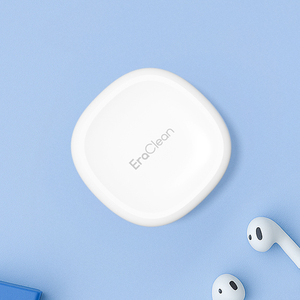
Maintenance Tech
105KHz High Frequency Ultrasonic Cleaner for Ortho-K Contact Lenses Cleaning Machine 800mAh Magnetic Charging with UVC Light
UVC + 105kHz Sterilization
View Details
Precision-molded cosmetic hydrogels, clinical care devices, and certified packaging solutions ready for customized brand distribution.
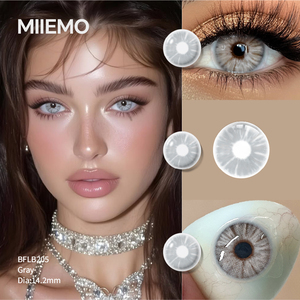
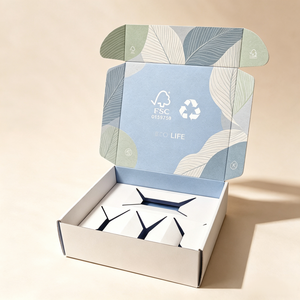
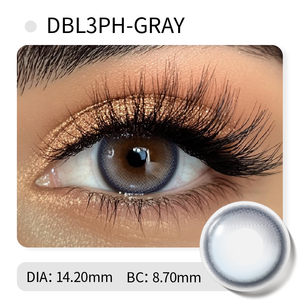
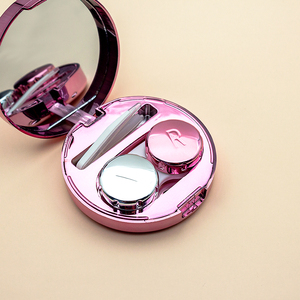
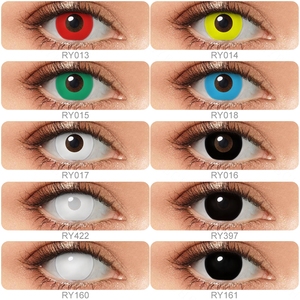
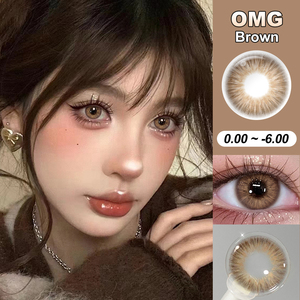
In modern ophthalmic manufacturing, producing cosmetic lenses requires a rigorous integration of physical biocompatibility, photostability, and fluid mechanics. Unlike commodity injection moldings, a therapeutic- or beauty-grade hydrogel lens interacts directly with the cornea and tear-film dynamics. Chroma Lens operates on an vertically integrated infrastructure where in-house mold engineering, proprietary pigment synthesis, and cast-molding technologies eliminate reliance on fragmented third-party sub-contractors.
The defining criterion of safety in tinted hydrogels is the sandwich encapsulation method (multi-layer latent embedding). Many lower-tier workshops print color coatings via pad-printing directly onto the anterior or posterior surface, creating micro-abrasions that wear off onto corneal epithelial tissues. Authentic ISO 13485 production embeds high-purity medical pigments entirely between two micro-thin hydrogel matrices (Poly-HEMA or Silicone-Hydrogel), guaranteeing zero ocular dye exposure while preserving standard oxygen transmissibility (Dk/t values).
| Technical Parameter | Direct Surface Pad-Printing (Generic Suppliers) | Chroma Lens Full Encapsulation Matrix | Clinical & Commercial Implication |
|---|---|---|---|
| Pigment Isolation | Exposed ink on posterior/anterior plane | Double-layer embedded polymer sandwich | Zero pigment leaching; prevents keratitis and corneal hypoxia. |
| Mold Fabrication | Outsourced generic metal stamping | In-house ultra-precision optical CNC tooling | Tolerances held within ±0.01mm; accurate Base Curve (8.5–8.7mm). |
| Optical Centration | ±0.50mm deviation (common visual halo) | Automated micro-centration ≤ 0.08mm offset | Pupil clearing matches natural light variation, avoiding night glare. |
| Biocompatible Inks | Industrial grade color dispersions | Medical-grade non-ionic pigment complex | Resistance to UV degradation and multi-purpose cleaning solutions. |
Actionable intelligence for global procurement managers navigating regulatory updates, material science shifts, and consumer behavior.
While monthly and yearly lenses historically dominated export volumes due to lower initial purchase barriers, global demand is shifting toward single-use daily disposables. Driven by consumer awareness regarding microbial keratitis and ocular hygiene, B2B buyers in the EU, North America, and Southeast Asia are allocating over 55% of their inventory capital to 1-Day blister-packed cosmetic contact lines.
Customs authorities worldwide are reclassifying color contacts strictly as Class IIa or Class IIb medical devices—regardless of whether they carry corrective vision power (plano vs. diopter). Importers without Technical Documentation Files (TDF), biocompatibility reports (ISO 10993), and accredited sterilization records face product confiscation. Partnering directly with certified manufacturers has become non-negotiable.
Traditional poly-HEMA hydrogel materials are meeting technological caps regarding oxygen transmissibility (Dk/t rarely exceeding 25–30). The next wave of high-end private labels requires Silicone Hydrogel (SiHy) formulations capable of achieving Dk/t > 80 while maintaining stable ink-bonding characteristics. Factories possessing proprietary surface-plasma treatments lead this transition.
Vertical control across the full optical lifecycle ensures competitive pricing, agility, and uncompromised batch stability.
No outsourced tooling bottlenecks. We develop our own precision curve tooling, allowing customized sagittal depth and diameter engineering within 14 business days.
Formulated in our dedicated synthesis laboratory. High-density coloration ensures crisp limbal rings and micro-pixelated iris gradients that don't fade under heat sterilization.
Every single batch passes spectrophotometric color analysis, center-thickness calibration, edge-burr projection, and automated blister integrity leak evaluations.
Comprehensive export documentation support: Certificate of Free Sale (CFS), ISO 13485 declarations, customized multilingual foil lids, and lot-tracked barcode serializations.
Core answers compiled by our international trade and regulatory compliance departments.
Whether you require turn-key custom branding, seasonal cosplay inventory, or sterile ISO 13485 contract manufacturing, our optical engineers and export trade desk are ready to assist with sampling and compliance dossiers.