Curated Portfolio
Precision Engineered Disposable Contact Lenses & Optical Packaging
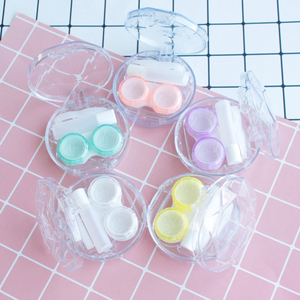
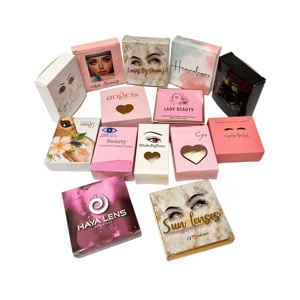
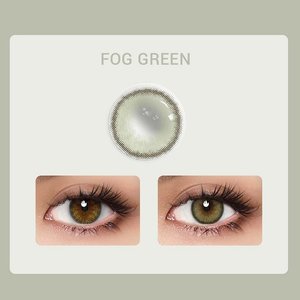
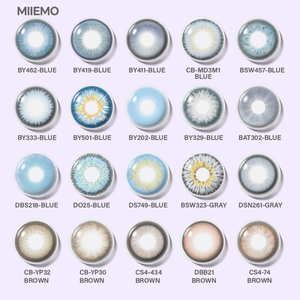
Browse our high-stability cast molding soft lenses and verified medical grade accessories designed for commercial scalability and clinical safety.
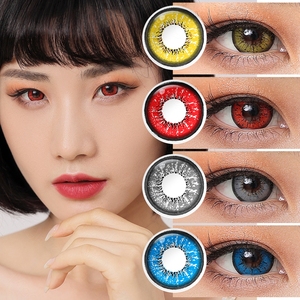
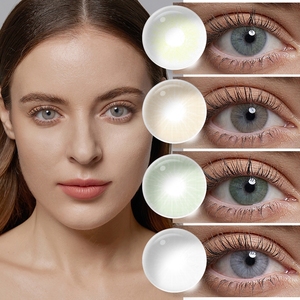
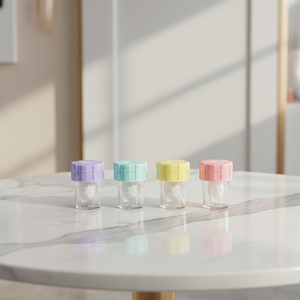

Manufacturing Excellence
Enterprise Capabilities & OEM Infrastructure
Chroma Lens operates automated cleanrooms, computerized optical inspection arrays, and patented chemical encapsulation labs to guarantee compliance and comfort.
In-House Mold Engineering
Ultra-precision CNC tooling and mold fabrication ensure exact curvature repeatability, precise base curves (8.5mm - 8.6mm), and smooth edge profiles that minimize corneal irritation.
Proprietary Biocompatible Inks
Our pigment systems are synthesized in-house, non-toxic, and molecularly locked. Sandwich printing guarantees that dye particles never touch the cornea or conjunctiva.
Original Iris Pattern Design
Full-time optical styling specialists engineer natural blending gradients, high-opacity theatrical prints, and 3D multi-tone effects matching European, Middle Eastern, and Asian iris types.
Rigorous Batch Traceability
100% video inspection for surface aberrations, automated blister leak detection, autoclave sterilization at 121°C, and traceable lot record archiving per ISO 13485 standards.
Technical Whitepaper: Industry Procurement Trends & Safety Engineering
The disposable colored contact lens sector is transitioning through a significant paradigm shift. Historically regarded primarily as a cosmetic accessory, global regulatory organizations—including the US FDA, European MDR, and Asia-Pacific health authorities—classify all contact lenses, whether Plano (cosmetic) or corrective (power up to -8.00D), as medical devices. For B2B distributors, choosing an OEM factory involves scrutinizing chemical stability, oxygen permeability (Dk/t), and manufacturing tolerances rather than relying solely on aesthetic catalogs.
"Core Technical Insight: The integration of sandwich printing technology (encapsulating dyes between two hydrogel layers) prevents pigment leaching, reduces surface roughness, and ensures the tear film remains stable during prolonged daily wear."
1. Material Evolution: HEMA vs. Silicone Hydrogel
Traditional 2-HEMA (2-Hydroxyethyl methacrylate) remains the benchmark for stability and ease of color printing, delivering 38% to 42% water content that resists rapid dehydration in air-conditioned environments. Concurrently, manufacturing lines are adopting hyper-permeable monomer additions to elevate the Dk/t value, meeting the needs of consumers demanding extended 12-hour comfortable wear times without corneal hypoxia.
2. Micro-Pigment Sandwich Encapsulation
Inferior suppliers often utilize pad printing directly on the back curve of the lens, which risks mechanical abrasion against the epithelial layer of the eye. Chroma Lens utilizes double-sided precision casting where printing inks are fixed within the optical matrix. This achieves zero surface protrusion, minimal bacterial adhesion, and complete biocompatibility verified by cytotoxic testing.
3. The Shift toward Daily and Monthly Disposables
While half-year and yearly cycles maintain popularity in select emerging wholesale markets due to unit economics, mature retail ecosystems are rapidly moving toward daily and monthly replacement modalities. Shorter cycles substantially reduce lipid accumulation, acanthamoeba risks, and overall compliance overhead for consumers. B2B buyers must prioritize suppliers offering flexible blister packaging solutions with clean Peel-Seal resistance and robust package sterility testing.
Forward Outlook
Future Procurement Trends for Optical Wholesalers (2025–2030)
Anticipate market movements and align your product development roadmaps with emerging consumer demands and supply chain adjustments.
Ultra-Natural Multi-Tone Irises
Consumer demand is moving away from artificial, stark color blocks toward biomimetic printing. Three-tone and four-tone blending matrices simulate the natural radial fiber layout of human eyes, matching dark irises seamlessly while providing natural enlargement.
UV Blocking & Blue Light Filtering
Protective optical functionality is merging with beauty applications. Next-generation disposable color contacts incorporate Class II UV blockers (absorbing >70% UVA and >95% UVB) along with subtle lutein-tinted polymers to protect digital screen users from high-energy visible (HEV) light.
Sustainable & Compact Blister Systems
Sustainability and volume freight optimization are driving the adoption of ultra-flat blister packaging. Reduced polypropylene mass, lower saline packaging volumes, and recyclable foil lidding help international importers cut shipping costs and align with environmental regulations.
Knowledge Base
Frequently Asked Questions for B2B Importers
Critical technical, regulatory, and logistical considerations addressed directly by our senior optical engineering team.
What parameters should be specified when placing a custom OEM lens order?
B2B purchasers should verify the Base Curve (commonly 8.5mm or 8.6mm), Total Diameter (14.0mm to 14.5mm), Center Thickness (typically 0.08mm at -3.00D), Water Content (38% to 42%), Optical Zone Diameter (≥3.8mm to prevent vision obstruction), and Power Range (Plano 0.00 to -8.00 in 0.25D or 0.50D increments).
How does your factory ensure pigment safety and prevent color fading?
We deploy proprietary sandwich cast molding. Color layers are suspended between hydrogel strata and polymerized into a singular matrix. This guarantees the pigment is never exposed to friction against the eye and remains completely stable throughout its shelf life without leaching.
Can we develop proprietary iris patterns, and what is the typical sample timeline?
Yes. Our in-house pattern studio transforms artwork or pantone swatches into functional printing plates. Because mold fabrication and ink blending take place internally, initial physical proof samples are typically produced within 10 to 15 business days for client approval.
What documentation is delivered with wholesale shipments for customs clearance?
Every commercial batch is accompanied by Certificate of Analysis (COA), sterilization cycle verification records, physical dimension check reports, packaging seal integrity certificates, and complete regulatory dossiers tailored to your destination market requirements.
Initiate Your Custom Contact Lens Sourcing Project
Connect directly with our factory engineering team. Request technical specification sheets, mold options, and complete pricing for OEM/ODM private label programs.
Get Catalog