Annual Wear
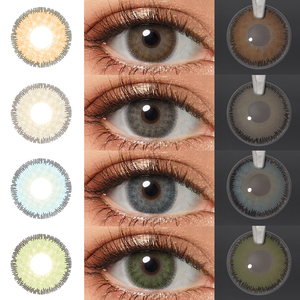
Standard-compliant, biocompatible natural green and multi-tone cosmetic hydrogel contact lenses ready for private label OEM/ODM customization and global bulk wholesale.
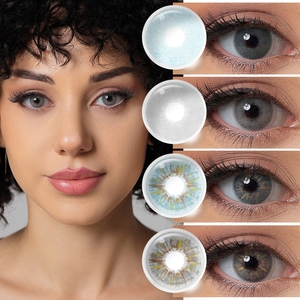
A rigorous examination of optical colorimetry, bio-compatible polymer matrix chemistry, and precision cast molding for professional procurement specialists.
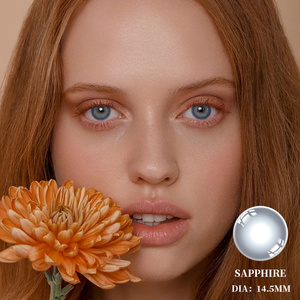
In the competitive global cosmetic contact lens market, manufacturing genuine natural green contact lenses presents one of the highest engineering barriers in optical aesthetics. Dark human irises—predominantly found in Asian, African, and Middle Eastern demographics—absorb light across the 500–550 nm spectrum, often rendering standard translucent cosmetic lenses muddy or artificially flat. Achieving an authentic forest green, jade, emerald, or olive iris shift requires a sophisticated tri-layer color matrix balancing opacity, radial pigment transition, and peripheral edge feathering.
Direct corneal pigment contact causes surface roughness and potential inflammatory responses. Our cast-mold process embeds proprietary medical pigments completely between two isolated hydrogel polymer layers, ensuring pristine surface smoothness (Ra < 15nm) and zero pigment leaching over 365 days of active wear.
Formulated with stable 38% to 42% Poly-HEMA (2-hydroxyethyl methacrylate) hydrogel, our lenses resist tear-film dehydration during extended digital device usage. The polymer matrix prevents surface protein denaturing, preserving optical clarity throughout varied climate conditions.
Engineered with an optimized 8.5mm to 8.6mm base curve coupled with a rounded peripheral profile. The uniform edge profiles reduce lid friction during the 12,000–15,000 daily blinks, maximizing sub-lens tear exchange without compromising centering or optical alignment.
By controlling every critical phase of manufacturing in-house—from precision optical mold creation to custom ink synthesis—we deliver uncompromised consistency across million-unit OEM/ODM bulk production batches.
Our facility designs and micro-machines optical tooling and steel inserts independently, eliminating external lead times and guaranteeing exact diameter and base curve repeatability down to ±0.02 mm.
We formulate dedicated inorganic and organic pigments in our cleanroom laboratories. This ensures exceptional color consistency across lots, eliminating tone shifts between separate manufacturing runs.
Our dedicated design team develops biomimetic radial patterns that mirror genuine human collarette structures, blending seamlessly with brown, hazel, and dark eyes without pixelation.
From automated blister sealing to autoclave terminal steam sterilization (121°C for 30 minutes), our automated processes exceed CE, ISO 13485, and GMP international sterility assurance standards.
How forward-looking retail brands, optical chains, and cross-border distributors can stay ahead of changing consumer expectations through 2026–2030.
While traditional Poly-HEMA retains strong cost-benefit metrics for cosmetic annuals, premium buyers are shifting toward third-generation silicone hydrogel. High oxygen transmissibility (Dk/t > 80) eliminates hypoxia concerns for frequent cosmetics users.
Next-generation digital pad printing utilizes 6 to 8 tonal layers rather than basic 3-tone patterns. High-definition dot gradients simulate the natural depth of human stroma, producing authentic natural green results on deep-pigmented eyes.
Modern consumers demand active ocular protection. Premium colored lens formulations now incorporate Class II UV-blocking monomers, filtering ≥70% UVA and ≥95% UVB without disrupting natural olive or green pigment transmission.
While yearly lenses remain staple profit drivers in developing markets, North American and European channels are rapidly pivoting to daily disposables. Single-use formats minimize microbial adherence and simplify user compliance.
Supply chains are transitioning toward recyclable polypropylene (PP) blister trays and biodegradable secondary packaging boxes. Green-conscious beauty brands increasingly prioritize suppliers with verified closed-loop mold recycling programs.
With the implementation of the EU Medical Device Regulation (MDR 2017/745) and intensified FDA cosmetic oversight, buyers require comprehensive biocompatibility testing (ISO 10993 cytotoxicity, sensitization, and ocular irritation).
Key technical, regulatory, and logistics answers for wholesale buyers, brand owners, and procurement officers.
We utilize an engineered high-density central masking ring paired with an asymmetric radial dot matrix. By carefully calibrating the micro-dot aperture ratio, the natural dark base provides realistic depth while the micro-encapsulated green and hazel pigments reflect ambient light naturally.
For custom packaging with our existing certified natural green patterns, MOQs typically start at 500 to 1,000 pairs. For exclusive, custom-designed iris patterns requiring dedicated tooling, mold development, and custom ink blending, MOQs are structured according to specific packaging requirements.
Yes. We use a 100% sandwich cast-molding encapsulation process. The FDA-compliant and ISO-tested color pigments are sealed inside the hydrogel polymer layer, ensuring zero contact with the cornea or palpebral conjunctiva.
Every commercial batch is accompanied by a Certificate of Analysis (COA), ISO 13485 quality system certification, CE conformity documentation, sterilization validation reports (EN 556-1), and accelerated stability testing reports.
Yes. We support mixed power distributions across plano (0.00) and refractive corrections from -0.50D to -8.00D (in 0.25D or 0.50D increments) to match your localized retail distribution needs.
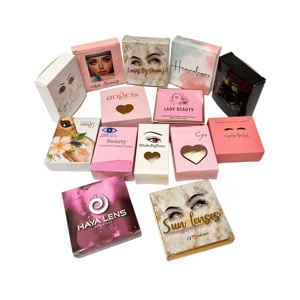
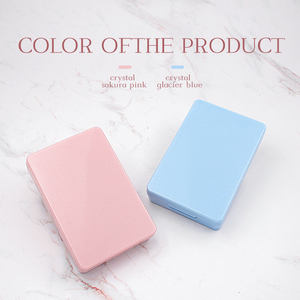
We supply pharmaceutical-grade glass vials with tear-off aluminum caps, automated polypropylene blister packs (buffered saline with hyaluronic acid options), and custom paperboard exterior boxes with UV gloss, embossing, or matte finishes.