High-Performance Contact Lenses Engineered for Nigeria
Pre-inspected soft hydrogel formulations calibrated for African iris pigmentation, tear-film stability, and tropical logistics.

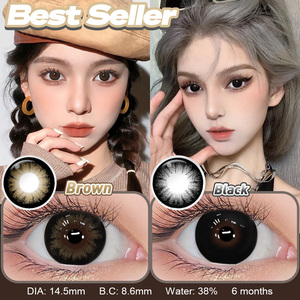
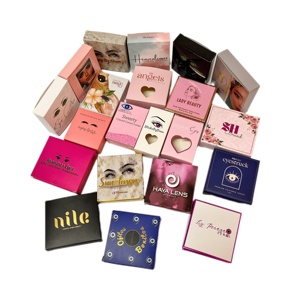
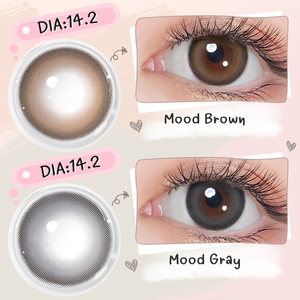
End-to-End Quality Control Architecture for Contact Lens Manufacturing
Soft hydrophilic contact lenses are Class II/IIb medical devices requiring uncompromising physical, chemical, and biological verifications before clearance into international supply channels.
Monomer Synthesis & Viscosity Assay
The manufacturing lifecycle commences with spectroscopic validation of raw optical polymers (HEMA, NVP, EGDMA cross-linkers). In-house high-performance liquid chromatography (HPLC) ensures residual monomers remain below 0.005 ppm to eliminate cellular cytotoxicity.
- FTIR fingerprinting for chemical consistency
- Dynamic rheometer viscosity profiling
- Zero heavy-metal solvent contamination validation
In-House Mold CNC Tooling & Surface Metrology
Unlike factories relying on third-party mold inserts, our ultra-precision single-point diamond turning (SPDT) produces master molds with sub-micron roughness (Ra < 8 nm). This prevents mechanical friction across the fragile ocular conjunctiva.
- Laser confocal profilometry verification
- Compensation calculations for polymer shrinkage
- Sagittal depth stability within ±0.015 mm
Sandwich Micro-Pigment Encapsulation
To eliminate contact lens-induced keratitis and pigment delamination, reactive dye formulation is locked between two transparent hydrogel barriers via dual cast molding. Colorants never touch corneal epithelium nor palpebral conjunctiva.
- Abrasion resistance under mechanical swab tests
- Zero dye leaching in organic solvent stress audits
- High-resolution dot matrix for natural iris transitions
Hydration Equilibrium & Osmolality Calibration
Following UV light and thermal photo-polymerization, lenses undergo extensive demolding in hyper-purified deionized water (DI). Subsequent extraction removes unreacted components before immersion in pH 7.2 buffered saline (290–310 mOsm/kg).
- Saline water-absorption equilibrium stabilization
- Oxygen transmissibility (Dk/t) verified via polarography
- Uniform swelling coefficient compliance checks
Sub-Micron Optical & Edge Vision Scanning
Every single manufactured unit passes through telecentric machine vision cameras operating in hydrated state. Automated dark-field inspection detects bubbles, jagged bevels, tears, edge scuffs, and power deviations faster than manual human checking.
- Diopter precision verification (-0.00 to -12.00D ±0.12D)
- 360-degree roundness and concentricity audit
- Edge profile analysis to guarantee tear circulation
Hermetic Foil Sealing & Autoclave Sterilization
Lenses are enclosed in medical polypropylene blisters with aluminum foil seals using automated hot-press weld verification. High-pressure steam terminal autoclaving at 121°C (250°F) for 30 minutes guarantees a validated 10⁻⁶ sterility level.
- Bubble-emission vacuum seal integrity checks
- Accelerated aging tests confirming 5-year shelf-life
- Endotoxin testing via Limulus Amebocyte Lysate (LAL)
| Inspection Parameter | Chroma Lens Internal QC Threshold | ISO 18369 International Benchmark | Significance for Nigerian Market Conditions |
|---|---|---|---|
| Back Optic Zone Radius (Base Curve) | ±0.015 mm tolerance (Strict) | ±0.20 mm | Prevents lens tightening or corneal abrasion during dry Harmattan atmospheric periods. |
| Overall Total Diameter | ±0.05 mm | ±0.20 mm | Maintains proper limbal clearance on dark, deep brown African eyes without limbal pinching. |
| Center Thickness (tc @ -3.00D) | 0.08 mm (±0.008 mm) | ±0.02 mm | Optimizes oxygen permeation while resisting tearing during frequent handling in dry air. |
| Water Content Stability | 38% to 42% (±1.0%) | ±2.0% | Low-to-mid water content prevents the lens from stripping hydration from dry ocular surfaces. |
| Pigment Embedding Depth | Inter-laminar embedded (>15 μm from surface) | No direct dye contact standard | Zero leaching guaranteed under prolonged high-temperature warehouse conditions across Nigeria. |
| Packaging Seal Burst Pressure | >400 kPa without micro-fissuring | >250 kPa | Resists atmospheric pressure fluctuations and rough transit across inland logistics corridors. |
Engineering Lenses for the Nigerian Ocular & Climatic Landscape
A soft contact lens exported to Nigeria faces environmental challenges rarely encountered in temperate climates. Our quality control and material choices are specifically adjusted to overcome these local hurdles.
Harmattan Resistance: Airborne Particulate & Tear Film Evaporation
From November to March, the northeastern trade winds drive microscopic Saharan silica dust across northern and southern Nigeria, dropping relative ambient humidity to below 20% in cities such as Kano, Kaduna, and Abuja. High-water-content hydrogel lenses (58%+) tend to dehydrate rapidly in these conditions, absorbing water straight from the wearer's tear film and creating chronic corneal hypoxia, irritation, and foreign body sensation.
Chroma Lens solves this through our Low-Evaporative 38%–42% Hydrogel Matrix. By integrating biocompatible PolyHEMA-glycerol formulations, the lens sustains its hydration index over 12 hours of wear, repelling dust attachment, resisting protein sedimentation, and preventing lens warping caused by Harmattan dryness.
Warehouse Thermal Stability & Port Transit in Lagos & Onitsha
Commercial cargo unloaded at Apapa or Tin Can Island ports can sit inside metal containers under equatorial sun with internal temperatures surpassing 45°C (113°F) for weeks before customs clearance and distribution to trading hubs like Idumota, Trade Fair Lagos, or Onitsha Main Market. Unstable blister pack solutions or poorly cured hydrogels undergo premature cross-link breakdown, causing diopter shifts, micro-bubble development, and cloudy discoloration.
Our quality assurance protocol includes Accelerated Real-Time Thermal Stability Validation. We subject sealed blister packs to prolonged heat testing at 50°C and 75% relative humidity for 90 continuous days. Our pharmaceutical-grade borosilicate and modified copolymer blisters remain hermetically sealed, preventing saline loss and guaranteeing that expiration shelf-life remains stable across 5 full years.
High-Melanin Iris Neutralization & Wedding/Owambe Luxury Glamour
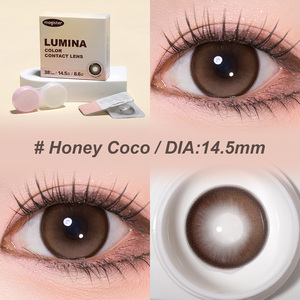
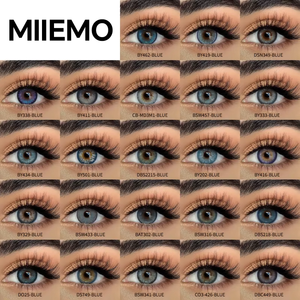
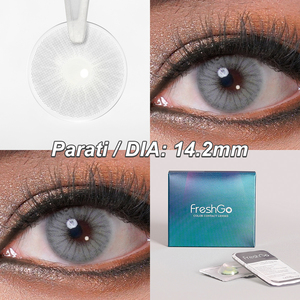
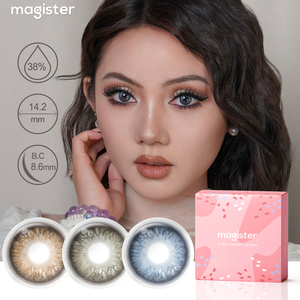
The vast majority of Nigerian consumers possess dark brown to nearly black irises (melanin classification grades 4 and 5). Standard contact lenses manufactured for European or East Asian markets often appear dull, dark, or artificial when worn over deep pigmentation. In Nigeria’s thriving beauty market—driven by weddings, fashion galas, and social media influencers—wearers seek vibrant hazel, olive green, honey, and bright gray accents that look realistic in bright sunlight.
Chroma Lens engineers a Tri-Layer High-Opacity Matrix featuring micro-milled titanium dioxide base pigments. This formula effectively masks the dark natural iris while allowing light refraction through an organic radial pattern, providing genuine, realistic color transformation that makes our lenses top sellers for bridal make-up artists and salon networks across Lagos, Ibadan, and Port Harcourt.
Nollywood Cinematic SFX, Music Video Production & Cosplay Demand
Nigeria’s Nollywood film industry—the second largest film producer globally by volume—demands specialized theatrical and SFX contact lenses. From historical epics and supernatural folklore thrillers to Afrobeats music videos filmed in Lekki studios, productions require lenses that can withstand hot studio lighting without drying out or impairing an actor's vision.
Our Theatrical & Scleral Crazy Lens Lines are produced using the same medical-grade biocompatible standards as our optical vision lenses. By keeping a clear 5.5mm optical pupil zone free of opaque pigments, performers maintain sharp field-of-view clarity while delivering stunning on-camera special effects, from blinding white demon eyes to vivid red vampire patterns.
Emerging Trends & Regulatory Shifts in the Nigerian Optical Industry
Strategic sourcing requires forward-looking analysis of shifting regulatory standards, consumer purchasing habits, and distribution channel transformations.
Stricter NAFDAC Medical Device Enforcement & Import Clearance
The National Agency for Food and Drug Administration and Control (NAFDAC) has systematically enhanced its oversight of cosmetic and corrective contact lenses, classing them as specialized medical devices. Unregistered, mislabeled, or substandard lenses imported without verifiable Certificates of Analysis (CoA) face seizure at Nigerian border entries.
Importers working with Chroma Lens receive complete, audit-ready regulatory dossiers. We supply Free Sale Certificates (FSC), ISO 13485:2016 quality management system documentation, CE declarations of conformity, sterile batch release paperwork, and full packaging design customization with appropriate NAFDAC registration layout panels. This administrative support reduces clearing friction and safeguards your capital investments.
The Shift from Glass Vials to Individual Foil Blister Strips
Historically, Nigerian wholesalers favored 10ml liquid glass vials with crimped aluminum caps due to perceived durability. However, the market is undergoing a decisive shift toward high-barrier PVC/aluminum blister strips packed in compact 2-lens and 10-lens retail cartons.
Blister packaging offers key commercial advantages for Nigerian distributors: it cuts international air and ocean freight weight by over 45%, completely avoids glass breakage losses during domestic trucking along the Lagos-Benin-Onitsha expressway, and improves end-user safety by eliminating sharp metal edges during cap removal. Our factory provides automated high-speed blister packing tailored for local brands.
Rise of Direct-to-Consumer (D2C) Social Commerce Brands
Independent beauty entrepreneurs in hubs like Yaba, Ikeja, Lekki, and Gwarinpa are establishing profitable private-label cosmetic contact lens brands on Instagram, TikTok, and WhatsApp. These sellers require dependable factory partners capable of low initial minimum order quantities (MOQs) with high-end custom retail packaging and diverse color collections.
Chroma Lens supports emerging West African brand founders through dedicated OEM/ODM design services. From bespoke foil-stamped carton design to distinctive lens patterns curated for African complexions, we lower the barrier to entry while upholding the strict QC standards of major optical retail chains.
Prescription Colored Contact Lenses Gaining Rapid Optical Clinic Share
Nigerian optometrists and optical retail chains are seeing increased demand for dual-action lenses: units that correct refractive errors (myopia from -1.00D to -8.00D) while providing cosmetic eye color enhancement. Patients who historically wore spectacle frames are choosing colored contact lenses for professional wear and social outings.
Chroma Lens stocks a comprehensive diopter power curve alongside non-prescription (plano 0.00D) lenses. Our computer-automated lathe and cast-molding lines maintain pinpoint optical accuracy throughout high diopter ranges, providing practitioners across Nigeria with reliable optical correction that honors clinical safety.
Why Major African Importers Partner with Chroma Lens
Combining more than a decade of specialized contact lens manufacturing with vertically integrated in-house production processes.
In-House Mold & Tooling Shop
We do not rely on outsourced mold vendors. Our internal diamond tool CNC department designs, fabricates, and tests proprietary optical molds. This accelerates sampling turnarounds from months to days and guarantees precise curvature consistency.
Proprietary Safe Ink Formulations
Our in-house chemical laboratories synthesize non-reactive, medical-grade colorant inks. Each dye molecule is permanently encapsulated within cross-linked hydrogel polymers, yielding zero leaching, high UV shielding, and rich color clarity on dark irises.
Export-Optimized Logistics Packaging
We utilize double-walled corrugated export shippers reinforced with interior moisture-barrier foil liners. This shields sensitive blister packs and sterile packaging from salt-fog humidity, port delays, and mechanical transit vibration.
Frequently Asked Questions: Sourcing Contact Lenses for Nigeria
Critical operational answers covering shipping timelines, sample assessments, documentation, and technical parameters.
What specific documentation is required to clear contact lenses through NAFDAC in Nigeria?
Why is a 38% to 42% water content recommended over 58%+ water content for the Nigerian climate?
Can Chroma Lens produce custom retail packaging and private-label logos for our Nigerian brand?
What are the minimum order quantities (MOQs) for wholesale and custom OEM orders?
How does the factory prevent pigment leaching in colored lenses?
What are the typical shipping timelines and transit options to Nigeria?
Partner with an Established Contact Lens Manufacturer
Consult with our international optical engineering team to request sample kits, review technical test dossiers, or receive an immediate wholesale pricing quote tailored for the Nigerian market.