Engineered Contact Lens Solutions for Philippine Importers
Explore medical-grade hydrogel (HEMA) and specialty prosthetics engineered to withstand tropical climates, air-conditioned retail conditions, and diverse ocular parameter profiles.
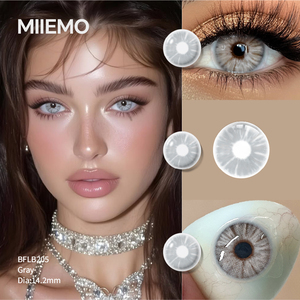
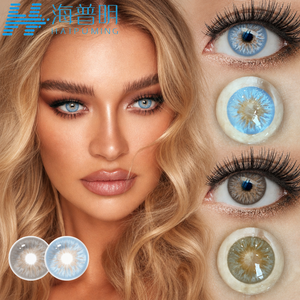
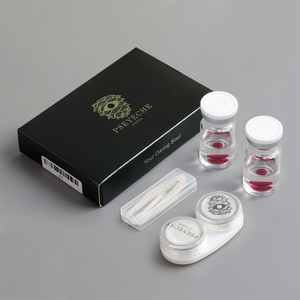
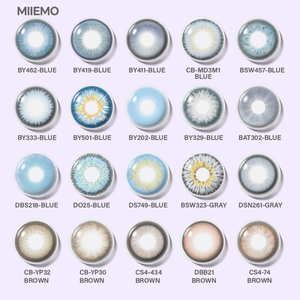
Executive Industry Overview: Contact Lens Manufacturing for the Philippine Market
The ophthalmic cosmetic and corrective contact lens sector in the Republic of the Philippines has transitioned from an informal beauty trend into a highly organized, regulated healthcare and cosmetic market. Governed strictly by the Philippine Food and Drug Administration (FDA) through the Center for Device Regulation, Radiation Health, and Research (CDRRHR) under the Department of Health (DOH), contact lenses are classified as Medical Devices under Administrative Order No. 2018-0002.
For brand owners, enterprise distributors, optical retail chains, and direct-to-consumer social sellers across Luzon, Visayas, and Mindanao, choosing an experienced original equipment manufacturer (OEM) and original design manufacturer (ODM) is the primary determinant of commercial survival. Chroma Lens Technology Co., Ltd. resolves the most critical vulnerability Philippine distributors encounter: inconsistent curvature, low oxygen permeability causing corneal hypoxia in humid climates, and inferior pigment bleeding. By keeping tooling, mold development, and biocompatible color formulation completely in-house, our facility provides verifiable compliance, batch consistency, and end-to-end documentation necessary for smooth Certificate of Medical Device Notification (CMDN) registration.
- Material Matrix: Hydroxyethyl methacrylate (HEMA) and high-Dk silicone hydrogel formulations tailored for tropical ambient temperatures.
- Safety Guarantee: Multi-layer sandwich encapsulation ensuring printing inks never contact the corneal epithelium or palpebral conjunctiva.
- Regulatory Readiness: Technical Dossiers structured in Common Submission Dossier Template (CSDT) formats ready for Philippine CDRRHR filings.
Targeted Applications across Philippine Consumer Segments
Strategic alignment of private label contact lens designs with unique environmental factors, retail channels, and cultural lifestyles in the Philippines archipelago.
Corporate & BPO Night-Shift Wearers
The IT-BPM (Business Process Outsourcing) industry in Metro Manila, Clark, and Cebu employs over 1.5 million professionals working non-traditional hours in heavily air-conditioned offices. Prolonged artificial screen exposure exacerbates dry eye syndrome. Our 38% low-water-content poly-HEMA lenses resist surface evaporation, ensuring stability and all-night comfort without dehydrating tear films.
Tropical Beauty & 'Mestiza' Aesthetics
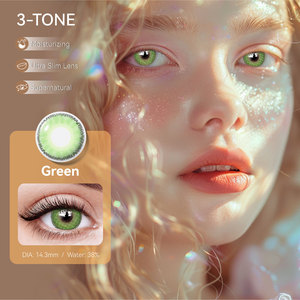
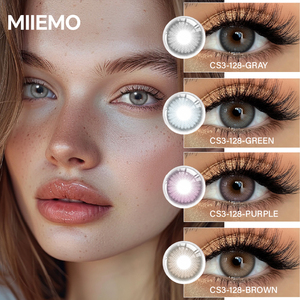
Filipino beauty demographics show immense demand for natural cosmetic enhancement. Our 3-tone Nasar Green, warm Hazel, and Honey Brown lenses are engineered with micro-gradient limbal borders that soften dark natural irises. They deliver a striking yet authentic transition popular among beauty vloggers, TikTok influencers, and daily salon clientele across key urban hubs.
Cosplay Conventions & Seasonal Theater
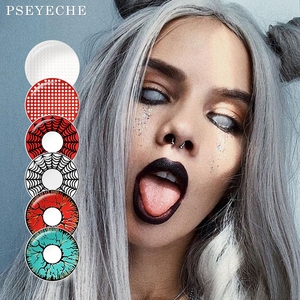
With major domestic events such as Cosplay Carnival, Anime and Cosplay Expo (ACX), and massive Halloween festivities in Bonifacio Global City and Boracay, high-pigment opaque contacts (Sharingan, Cat Eye, White-out) experience huge demand spikes. Our opaque matrix ensures total coverage on dark Asian eyes while maintaining unobstructed central visual acuity.
Mall-Based Optical Retail Chains
Traditional optical dispensary outlets across SM Supermalls, Robinsons Malls, and Ayala Malls require high-trust, blister-packed corrective clear and soft color lenses. Offering verifiable optical parameters ranging from Plano (0.00) up to -8.00D, our factory empowers licensed optometrists to dispense reliable private-label solutions with healthy retail margins.
Live-Commerce & E-Commerce Fast Brands
The explosion of live-selling on TikTok Shop Philippines and Shopee Mall requires responsive OEM production cycles, low initial minimum order quantities (MOQs), and dynamic blister box packaging. We support omnichannel startup brands by delivering ready-to-label SKUs that can capture fast-moving social micro-trends without warehousing dead inventory.
Specialized Clinical Prosthetics
Beyond cosmetic enhancements, our dedicated prosthetic contact lens series addresses an underserved clinical need across Philippine eye clinics: congenital achromatopsia (color blindness), corneal scarring, and iris trauma. By offering medical pupil masking and selective wavelength filters, distributors can capture clinical partnerships with ophthalmology practices.
Philippine Contact Lens Trends: 2025–2030 Horizon
Key structural shifts reshaping private label manufacturing, supply chain positioning, and consumer buying habits across the archipelago.
Stricter FDA Enforcement on Illicit Imports
The Philippine FDA is actively clamping down on unregulated cosmetic contact lenses sold across online platforms without authentic License to Operate (LTO) credentials or product registrations. Local brand builders are moving swiftly away from anonymous open-market stock toward fully audited, ISO 13485 certified factory partnerships that guarantee authentic batch traceability.
Transition from Glass Vials to Blister Strips
Historically dominated by 1-year glass vials, the Philippine market is undergoing a rapid transition toward monthly and half-year disposable blister packaging. Modern Filipino urbanites prioritize hygiene, ease of handling, and travel-safe medical blister packs with secure peel foils over traditional crimp-top glass vials.
Bespoke Iris Patterns & Brand Differentiation
Market saturation with generic South Korean and Taiwanese wholesale patterns has reduced gross profit margins for Philippine resellers. Successful beauty enterprises are investing in custom-designed patterns featuring natural limbal rings, feathered iris striations, and delicate color blending to cultivate dedicated brand loyalty.
Why Global & Philippine Brands Partner with Chroma Lens
Unlike trading intermediaries, Chroma Lens Technology Co., Ltd. controls every link of the ocular manufacturing value chain. We operate cleanroom casting lines supported by senior ophthalmic engineers:
- In-House Mold Tooling: We design, cut, and polish our own optical steel master inserts and mold tooling in-house. This gives us precise control over Base Curve (8.5mm to 8.6mm) and Diameter (14.0mm to 14.5mm), eliminating edge burrs and inconsistent fit that cause corneal chafing.
- Proprietary Color Inks Formulation: Our chemical laboratories formulate internal biocompatible inks. Pigments are thoroughly sealed within polymer layers using full sandwich encapsulation technology, ensuring zero surface dye contact with ocular tissue.
- Turnkey Private Label Services: From creative artwork drafting and sterile blister carton design to barcode assignments and complete export declarations, we provide an end-to-end launchpad for Philippine optical startups and established brands alike.
- Reliable Quality Systems: Every production batch undergoes strict refractive testing, optical clarity verification, water content titration, and autoclave sterilization, supported by full Certificate of Analysis (CoA) records.
Frequently Asked Questions by Philippine Importers
Essential technical, logistical, and regulatory answers addressing customs clearance, FDA compliance, and production turnaround.
What documentation does Chroma Lens provide for Philippine FDA (CDRRHR) registration?
We provide a comprehensive technical regulatory dossier aligned with the ASEAN Medical Device Directive (AMDD) and Philippine CDRRHR standards for Class B medical devices. This documentation includes ISO 13485:2016 certificates, Free Sale Certificates (FSC/CFS), material biocompatibility test reports (cytotoxicity, ocular irritation, systemic toxicity), stability testing data, sterilization validation records, and draft English artwork labels ready for your local License to Operate (LTO) and Certificate of Medical Device Notification (CMDN) application.
What are the optimal lens parameters for the native Philippine demographic?
The standard corneal radius for Southeast Asian eyes generally requires a Base Curve (BC) of 8.5mm to 8.6mm and an Overall Diameter (DIA) of 14.0mm to 14.2mm for natural appearance, or 14.5mm for the popular doll-eye cosmetic enlargement effect. We recommend an equilibrated water content of 38% to 42% in HEMA-based formulations, as this balances oxygen transmissibility while preventing moisture evaporation in high-humidity tropical conditions.
What is the typical Minimum Order Quantity (MOQ) and production lead time for custom OEM projects?
For existing catalog designs with custom blister packaging and private label boxes, our MOQ starts at 500 to 1,000 pairs per color/SKU. For completely proprietary iris designs requiring custom mold adjustments or bespoke ink formulations, MOQ typically begins at 3,000 to 5,000 pairs. Production lead time is approximately 25 to 35 business days following final packaging artwork sign-off, with air cargo transit to Manila (MNL) or Cebu (CEB) taking 4 to 7 working days.
Can we split our private label orders across Plano (cosmetic) and corrective powers?
Yes. We offer fully customizable diopter splits within OEM contracts. While cosmetic-only brands often focus on Plano (0.00D), retail optical chains and clinic distributors in the Philippines can distribute SKU splits across spherical minus powers from -1.00D to -8.00D (in 0.25D or 0.50D increments) to serve prescription customers across the country.
How does Chroma Lens ensure ink safety and prevent color peeling?
We utilize precision cast-molding coupled with micro-sandwich pigment encapsulation. The medical-grade color layer is printed directly between the front and back polymer matrices, effectively embedding the pigment inside the hydrogel polymer. The ink never touches ocular tissue directly, eliminating pigment migration, corneal friction, and color fading during storage or wear.