Featured Green Series & Professional Accessories for the German Market
Precision-engineered cast-molded optical devices compliant with European ophthalmic standards, featuring proprietary sandwich-encapsulated organic pigments.
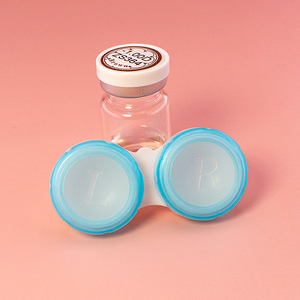
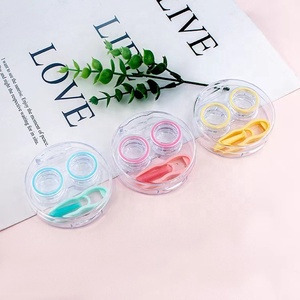
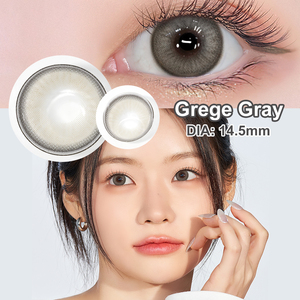
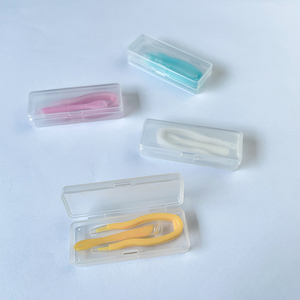
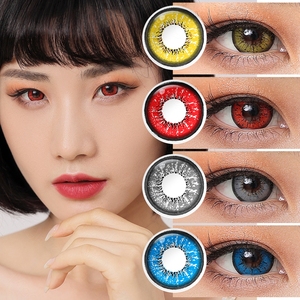
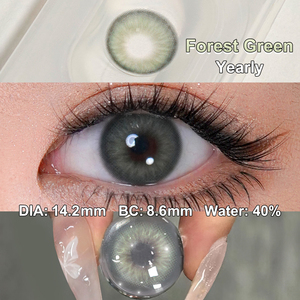
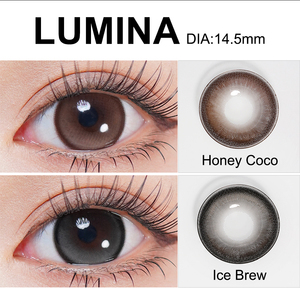
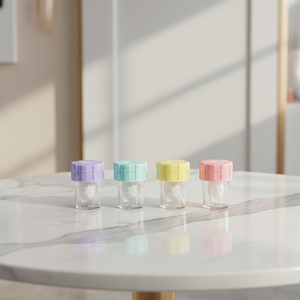
Engineering Green Hydrogel Optics for the Discerning German Marketplace
The commercialization of cosmetic and prescription contact lenses in the Federal Republic of Germany requires an exhaustive understanding of rigorous optical safety standards, patient ocular anatomy, and physiological ergonomics. As Europe's largest optical market, German consumers demand both aesthetic sophistication and clinical uncompromise. Green colored contact lenses—ranging from natural moss, forest, and olive tints to high-contrast jade and emerald configurations—occupy a prime volume segment within independent German optometry practices (Augenoptiker-Betriebe), pharmaceutical e-commerce, and specialized cosmetic retailers.
Unlike basic opaque novelty prints, exporting green contact lenses to cities such as Munich, Berlin, Hamburg, and Frankfurt requires sophisticated multi-tone matrix dot printing. European irises naturally display high variability in baseline coloration, from pale blue and light grey to deep amber. Chroma Lens Technology addresses this by incorporating proprietary three-tone micro-matrix iris architecture. The inner ring softens the transition across the pupillary margin, the primary chromatic matrix delivers targeted spectral diffusion, and a graduated outer limbal ring simulates natural depth without presenting an artificial silhouette.
From a regulatory perspective, non-corrective (plano) and corrective cosmetic lenses are regulated under the stringent European Medical Device Regulation (MDR EU 2017/745). To service German B2B importers, Chroma Lens operates fully compliant ISO 13485 cleanroom facilities, utilizing advanced cast molding processes that completely entrap the colorants within internal layers of PolyHema and Hydrogel matrices. This guarantees that biocompatible dyes never interface directly with the sensitive corneal epithelium, effectively eliminating the risk of micro-abrasions, allergic papillary conjunctivitis, or pigment leaching.
Furthermore, oxygen transmissibility (Dk/t) balance and surface wettability remain pivotal in addressing Germany's climatic variations. During Central European winters, indoor heating systems induce evaporative dry eye symptoms among contact lens wearers. By maintaining balanced equilibrium water content (38% to 42%) and minimal contact angles, our green contact lenses support stable pre-corneal tear film stability, preventing cellular hypoxia and maximizing all-day end-user compliance across professional and daily wear segments.
Targeted Consumer Personas & Commercial Channels in Germany
Everyday Subtle Aesthetics (Alltag & Beruf)
Demanded extensively by metropolitan consumers seeking understated eye color refinement. Natural jade, olive, and hazel-green tones designed with high-translucency dot matrices cater to professional wearers seeking natural iris enhancement during workplace and social settings.
Pop-Culture & Cosplay (Manga-Conventions)
Germany hosts prominent theatrical and anime gatherings, including DoKomi (Düsseldorf), Connichi, and Gamescom (Cologne). Vivid neon, emerald, and luminescent green full-coverage lenses represent a strong seasonal surge for costume retailers, stage supply distributors, and theatrical studios.
Clinical Optical Retailing (Optik-Fachgeschäfte)
Tailored directly for licensed German optometrists and retail optical chains. These prescription green lenses (-0.50D to -8.00D) combine precise refractive correction with predictable base curves (8.5mm to 8.6mm), satisfying consumers desiring simultaneous cosmetic tinting and visual acuity.
Standardized Specifications for German Import Compliance
Comprehensive parameter matrix aligned with European Medical Device Regulation (EU MDR) guidelines and Central European consumer physiology.
| Parameter | Standard Export Specification | Clinical Rationale for German Market |
|---|---|---|
| Base Curve (BC) | 8.50 mm – 8.60 mm | Corresponds precisely to the median corneal topography of Caucasian populations, mitigating mechanical compression and lens decentration. |
| Total Diameter (DIA) | 14.0 mm – 14.5 mm | Offers ideal horizontal visible iris diameter (HVID) coverage for natural aesthetics without limiting tear exchange across the limbus. |
| Water Content | 38% – 42% Hydrogel (PolyHema) | Engineered to prevent rapid moisture desiccation in dehumidified or heated office environments common in Central Europe. |
| Center Thickness | 0.07 mm – 0.09 mm (@ -3.00D) | Ultra-thin core profile maximizing transmissibility while retaining structural elasticity for effortless patient insertion. |
| Pigment Technology | Double-Coating Sandwich Encapsulation | Ensures 0% raw pigment exposure to the corneal endothelium, passing rigorous biocompatibility and cytotoxicity standards. |
| Packaging Configuration | Medical Blister in Saline Solution / Glass Vials | Validated steam autoclave sterilization providing a verified 5-year sterile shelf life prior to seal degradation. |
Emerging Market Trends Across the German Optical Sector
Transition Towards Daily Disposables (Tageslinsen)
German hygiene preferences are driving retail demand from traditional yearly vials toward monthly and single-use daily disposable colored blisters. Consumers prioritize the convenience and minimized contamination risk of fresh, sterile lenses for weekend social events or occasional enhancement.
Rigid Labeling & UDI Traceability
With full implementation of the EU Medical Device Regulation, German optical distributors strictly reject grey-market goods lacking Unique Device Identification (UDI) and compliant German-language labeling (Gebrauchsanweisung), mandating direct factory traceability.
Sustainable & Recyclable Packaging
In accordance with the German Packaging Act (VerpackG / Duales System), B2B buyers now demand fully recyclable paper outer boxes and streamlined polypropylene blister packs, rewarding manufacturers that practice ecological material stewardship.
Why German Optical Wholesalers Partner With Chroma Lens
Unlike trading intermediaries, Chroma Lens controls the complete value chain—from base optical engineering to bespoke cosmetic printing.
In-House Mold & Tooling Development
We engineer and mill our own optical steel tooling and molding matrices in-house. This gives our German partners precise base curve consistency and rapid iterative prototyping without external tooling bottlenecks.
Proprietary Medical Printing Inks
Our dedicated chemical laboratory synthesizes FDA- and CE-compliant biocompatible colorants. This proprietary ink formulation guarantees batch-to-batch color stability, preventing shade drifting between consecutive production runs.
Full OEM / Private Label Architecture
Over a decade of exporting expertise allows us to deliver turnkey solutions: custom green iris pattern creation, brand packaging conforming to DIN EN standards, and comprehensive batch verification documentation for German customs clearance.
Frequently Asked Questions by German Importers & Wholesalers
Essential guidance on regulatory standards, technical specifications, and procurement procedures for the German market.