Precision Contact Lenses & Optical Equipment
Engineered for professional retail, ophthalmic institutions, and private-label distributors across the Middle East and North Africa (MENA).

Strategic Criteria for Sourcing Contact Lens Factories for Egypt
Mitigating supply disruptions, ensuring regulatory clearance, and maximizing margins in an evolving, high-growth optometric landscape.
Egyptian Drug Authority (EDA) Readiness
Contact lenses are classified as Class IIa/IIb medical devices under the Egyptian Drug Authority. A viable overseas factory must provide complete technical construction files (TCF), ISO 13485:2016 certifications, CE Certificates under MDD/MDR, and verified Free Sale Certificates (FSC) attested by the Egyptian Embassy in the country of origin to streamline import approvals.
Arid Microclimate Resistance (Dk/t vs. Water)
The dry climate of Greater Cairo, coupled with seasonal Khamsin sandstorms and ubiquitous indoor air conditioning, accelerates tear film evaporation. Sourcing factories must excel at cast-molding poly-HEMA and advanced Silicone Hydrogel substrates that maintain surface wettability, low tear-breakup time (TBUT), and sustained oxygen transmissibility under harsh arid conditions.
Sandwich-Embedded Pigment Isolation
Cosmetic and colored contacts account for over 60% of commercial sales in Egypt's major metropolitan centers. Importers must strictly vet factories using triple-layer encapsulation or "sandwich" technology. The dye layer must remain safely encased within the hydrogel matrix, ensuring zero pigment touches the corneal epithelium, preventing chronic keratitis and abrasions.
Information Gain: The Shift Toward Dual-Purpose Toric & Cosmetic Hybrids in North Africa
Historically, Egyptian buyers sourced cosmetic lenses solely in plano (zero power) configurations. Contemporary optometric epidemiological surveys show that astigmatism and refractive myopia affect over 38% of urban Egyptian lens wearers aged 18–35. Factories offering modular cast tooling capable of integrating astigmatic cylinder correction into vibrant cosmetic patterns (Hazel, Honey, Gray, and Sapphire Blue) grant local distributors an undeniable pricing moat over standard mono-brand retailers.
Egyptian Localized Application Scenarios & Market Growth
Aligning manufacturing supply chains with distinct regional demographics, consumer habits, and distribution channels across Egypt.
Bridal, Festive & Social Glamour Sector
During the prolonged Egyptian wedding and Eid holiday cycles, demand for cosmetic enhancement lenses surges. Darker natural irises common among Mediterranean and North African populations require high-opacity micro-dot printing matrices that blend seamless tones without looking artificial under intense event lighting and photography.
Optical Retail Chains & Private Practice
In high-density commercial strips from Heliopolis and New Cairo to Mansoura and Alexandria, independent opticians and specialized optical chains demand diversified inventory: daily disposables for hygienic travel, and cost-effective monthly/quarterly replacement modalities suited for university students and corporate professionals.
Social Commerce & Direct-to-Consumer Ecosystems
With widespread mobile connectivity and social media penetration in Egypt, beauty influencers and boutique brands sell branded colored lenses directly via Instagram, TikTok, and localized e-commerce platforms. Sourcing factories must support white-label custom packaging, Arabic/English bilingual labeling, and batch barcoding.
Engineered for Global Excellence: Chroma Lens Advantages
Eliminating middlemen with an integrated vertically controlled manufacturing infrastructure.
In-House Mold Engineering
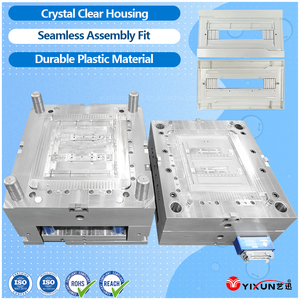
We machine and cast our own optical molds, guaranteeing strict dimensional tolerance on base curves (8.5mm to 8.7mm) and edge contours designed for tear replenishment and all-day comfort.
Proprietary Biocompatible Inks
Formulated in our dedicated synthesis lab, our pigments offer exceptional color density, resisting fading or dispersion while exceeding non-cytotoxicity standards per ISO 10993 testing.
Original Trend Iris Library
Over 800+ original iris pattern designs specifically optimized for natural eye blending on darker corneal backgrounds, granting distributors an exclusive catalog for their regional territory.
Comprehensive Export Compliance
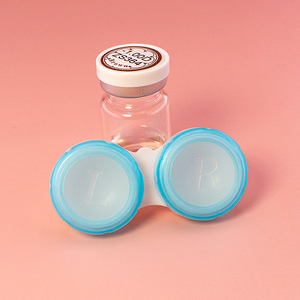
Complete regulatory dossier support: Certificate of Analysis (COA), ISO 13485 audit reports, batch traceability records, and fully customized bilingual Arabic/English blister and vial packaging.
Frequently Asked Questions by Egyptian B2B Importers
Technical, logistical, and commercial answers for sourcing managers, distributors, and pharmacy suppliers.
What specific certificates do you provide for Egyptian Drug Authority (EDA) registration?
We supply full technical files including ISO 13485:2016 certification, CE mark documentation, biological evaluation reports (cytotoxicity, ocular irritation per ISO 10993), stability studies, batch inspection certificates, and Free Sale Certificates (FSC) ready for consular legalization by the Egyptian Embassy.
Which contact lens water content is ideal for Egypt's arid, dusty climate?
While high water content (e.g., 55%–58%) feels soft initially, it can draw moisture from dry eyes in hot environments. For arid climates like Cairo or Upper Egypt, we recommend our 38% to 42% water content hydrogel formulations, or our advanced silicone hydrogels that maximize oxygen transmissibility without depleting natural pre-corneal tears.
What are the Minimum Order Quantities (MOQ) and production lead times for private label?
For custom private label packaging (blister foil and outer folding box), our flexible entry volume starts at 500 to 1,000 pairs per SKU for catalog colors, with custom pattern formulations starting around 3,000 pairs. Production turnaround ranges from 20 to 30 days upon artwork sign-off, facilitating smooth cash flow management.
Can you produce toric (astigmatism) lenses with cosmetic color patterns for the Egyptian market?
Yes. By utilizing our proprietary mold precision tooling, we manufacture custom color toric contact lenses that combine cylinder correction and axis stabilization (prism-ballast or dynamic thin-zone design) with high-definition, three-tone iris patterning, giving you a competitive edge over standard clear toric offerings.
Ready to Build Your Private-Label Lens Brand in Egypt?
Partner directly with a proven primary manufacturer. Receive sample kits, regulatory dossiers, and competitive OEM/ODM wholesale quotation tiers customized for the Middle East market.
Get a Quote