Export-Certified Theatrical & Cosmetic Lenses for Importers
Direct-from-factory hydrogel eye optics manufactured via high-precision cast molding, featuring patented micro-encapsulation dyes engineered for maximum physiological tear exchange.
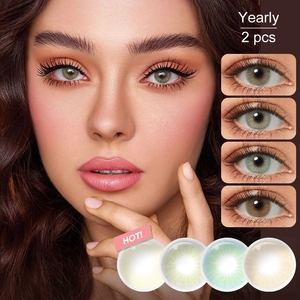
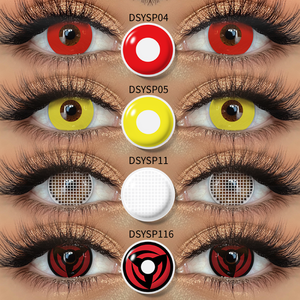
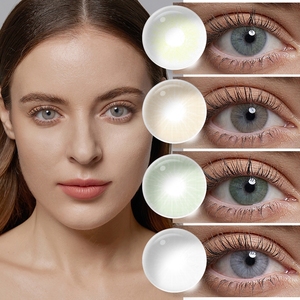

The Special Effect Optics Landscape in Mexico City (CDMX)
Analyzing structural supply limitations, cross-border freight conduits, and the explosive cultural adoption of theatrical lenses across Central Mexico.
The greater Mexico City metropolitan area (Zona Metropolitana del Valle de México), housing over 22 million residents, constitutes the primary commercial, logistics, and retail epicenter for specialized optical products in Latin America. Despite surging demand across theatrical arts, seasonal holidays, digital content creation, and Japanese-influenced subcultures, the domestic Mexican manufacturing base for soft hydrophilic contact lenses (lentes de contacto blandos de hidrogel) remains virtually non-existent. The domestic market relies nearly 100% on imported devices produced under strict international medical device standards (ISO 13485, CE 2195, US FDA 510k).
Historically concentrated in optical wholesale epicenters such as the historic center of Mexico City—specifically along the optical commercial corridor of Calle Motolinía and Calle Francisco I. Madero—the procurement model has rapidly decentralized. High-volume B2B importers, specialized theatrical prop houses, independent cosmetics distributors, and fast-growing Latin American e-commerce merchants (Mercado Libre México, Amazon MX, and Liverpool Marketplace) now source inventory directly from overseas manufacturing facilities with integrated mold-engineering, bespoke color formulation, and private-label blister packaging capabilities.
Localized Application Scenarios Across Mexico City
From historic cinematic institutions in San Ángel to mass cultural gatherings at World Trade Center CDMX, special effect lenses bridge cultural rituals and professional cinematography.
Día de los Muertos & Catrina Ceremonies
October and November witness exponential demand throughout CDMX (Paseo de la Reforma, Coyoacán, and Mixquic). Sclera black, mesh white, and hyper-pigmented spectral lenses are critical accessories for Catrina and Mictlantecuhtli makeup ensembles.
Cinematography & Telenovelas
Film studios in Estudios Churubusco and San Ángel require ultra-reliable, non-irritating theatrical optics for horror productions, fantasy streaming series, and historical dramas requiring accurate iris discoloration without digital CGI overhead.
Anime Cons & Pop Conventions
Events such as Expo TNT (Centro de Convenciones Tlatelolco) and La Mole Comic Con (WTC CDMX) drive hundreds of thousands of cosplayers seeking hyper-accurate anime pupil rings, Sharingan variants, neon vibrant hues, and character-accurate sclera lenses.
SFX Makeup Academies & Salons
Professional prosthetics institutions throughout Polanco, Condesa, and Roma Norte train future body artists using certified cosmetic lenses as standard practical materials, instilling high brand loyalty toward factory brands with pristine clinical safety records.
Clinical Quality Architecture of Chroma Lens SFX Optics
Understanding why pigment encapsulation technology and edge profiling separate certified medical products from counterfeit street lenses.
Special effect contact lenses require fundamentally higher engineering diligence than transparent prescription lenses. The introduction of heavy opaque colorants (such as titanium dioxide, iron oxides, and medical-grade phthalocyanines) can compromise oxygen permeability ($Dk$) and lens elasticity if not properly locked within the polymeric network. Poorly manufactured lenses sold through unregulated gray channels in Mexico often utilize rudimentary surface-printing techniques where raw pigment directly contacts the delicate corneal epithelium, resulting in micro-abrasions, toxic keratopathy, and microbial keratitis.
| Critical Parameter | Chroma Lens Manufacturing Standard | Conventional Catalog Copy / Uncertified Lenses |
|---|---|---|
| Color Technology | True Sandwich Encapsulation: Pigment layers locked between two inert Poly-HEMA films. Zero direct tissue contact. | Surface tampo printing; exposed pigments prone to mechanical leaching and abrasion. |
| Edge Profile Design | CNC Micro-Lathe Cast Molding: Rounded, tapered bi-curve edge ensures unimpeded tear pump dynamics with each blink. | Rough, squared edges that restrict limbal vascular flow and cause mechanical conjunctival irritation. |
| Base Curve / Diameter | Strict 8.5mm - 8.6mm Base Curve calibrated precisely to the corneal topography of Latin American demographic cohorts. | Inconsistent curvature causing corneal slippage or excessive lens tightening (tight lens syndrome). |
| Oxygen Permeability ($Dk$) | Optimized central thickness (0.07mm - 0.09mm) maintaining corneal aerobic metabolism during theatrical wear (up to 8 hrs). | Excessive thickness (>0.14mm) resulting in corneal hypoxia, corneal edema, and blurred visual recovery. |
| Sterility & Packaging | Individual pharmaceutical PP blisterpacks or medical borosilicate glass vials; validated 121°C moist-heat autoclave cycle. | Unverified sterilization protocols; vulnerable seal closures with accelerated saline evaporation rates. |
Why International Distributors Partner with Chroma Lens
Integrated manufacturing superiority that protects your brand equity, optimizes shipping margins, and speeds regulatory clearance.
In-House Mold Engineering
We do not rely on standard open-market molds. Our toolmakers craft micro-precision steel molds internally, giving your private brand unique limbal ring dimensions, optimal center thickness, and verified repeatable curvature.
Proprietary Non-Toxic Inks
Our internal laboratory synthesizes biocompatible ophthalmic dyes that deliver brilliant chromatic opacity. Even on naturally dark brown irises prevalent across Mexico, our lenses deliver vivid, uncompromised color transformation.
10+ Years Manufacturing Heritage
With more than a decade of specialized soft lens production, Chroma Lens maintains audited cleanrooms, automated optical testing arrays, and continuous validation processes under global medical device standards.
Full Export Documentation
We supply complete technical dossiers (Certificates of Analysis, biocompatibility test records, stability studies, and ISO/CE certificates) vital for Mexican importers preparing COFEPRIS sanitary registration files.
Seamless Freight to AICM & Toluca
We work seamlessly with premier air express providers and international freight forwarders to handle customs transit directly into Benito Juárez International Airport (AICM) and Toluca hubs, reducing inventory stockout risk.
Turnkey OEM Packaging & Spanish Artwork
Stand out in the CDMX marketplace with custom-branded blister packaging, Spanish-language consumer wear-and-care leaflets, and barcode configurations tailored to Mexican retail requirements (NOM-137-SSA1-2008).
Essential Answers for Mexican Buyers & Importers
Direct operational insights addressing customs, sanitary registrations, shelf-life, and minimum order requirements.
What is the regulatory classification for cosmetic & SFX contact lenses under COFEPRIS in Mexico?
How does Chroma Lens solve the opacity challenge on dark brown Latin American irises?
What are the lead times and shipping routes for volume consignments destined for Mexico City?
Can we order mixed designs to satisfy the seasonal surge of Halloween and Día de los Muertos?
What is the shelf life and storage stability of Chroma Lens packaged products in Mexican climates?
Do you provide Spanish labeling compliance support for Mexican Official Standards (NOM)?
Ready to Scale Your SFX Lens Distribution in Mexico City?
Partner directly with Chroma Lens Technology Co., Ltd. Gain access to factory-direct wholesale pricing, guaranteed ISO/CE compliance dossiers, flexible MOQs, and unmatched pigment encapsulation quality engineered for Latin American eyes.
Inquire Now