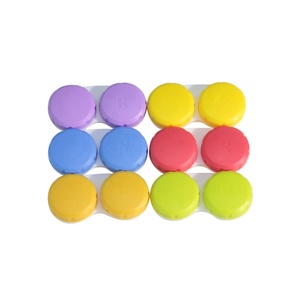
Factory Catalog Showcase
High-Demand Optical & Cosmetic Lines Exported to Pakistan
Engineered for high opacity over Grade 4 and Grade 5 dark brown eyes, complete with high-durability sterilization, moisture-locking polymers, and private-label retail packaging.
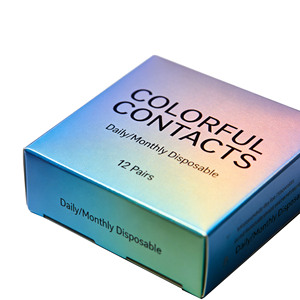
Customizbele Glossy Lamination Self Erecting Recyclable Colored Contact Lens Packaging Box with Four-Color Logo Printing
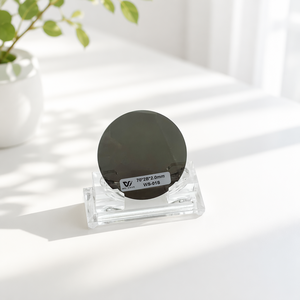
1.499 CR39 Polarized UV400 Photochromic Single Vision Sunglass Lenses Base 2~8 Weishuo WS-01S Danyang Factory Wholesale
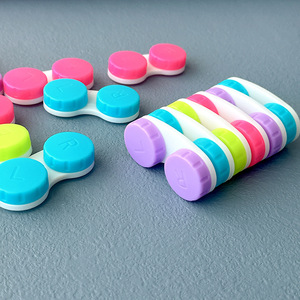
Solid Color Candy - Hued Contact Lens Case Single/Double Style Portable Travel Contact Lens Holder for Wholesale
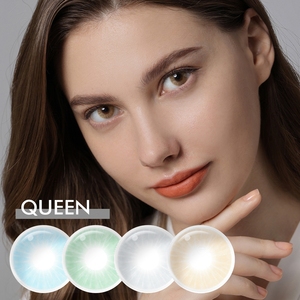
Magister Queen Colored Contact Lenses Natural Coloured Eye Contact Lens Pupilentes Lentes De Contacto De Colores Private Logo
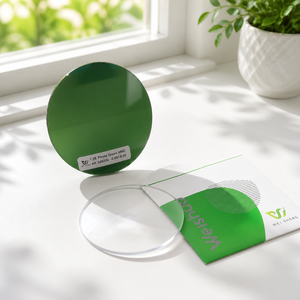
Hot Selling Weishuo Green Model 1.56 Colored Photochromic Optical Lenses Grey Brown Pink Purple Blue Green Orange 3C Base Curve
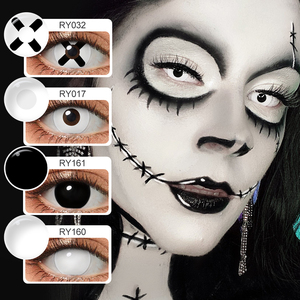
Halloween Funny Ghost White Color Contact Lenses Black Vampire Crazy Colored Contact for Cosplay Party Lentilles De Contact
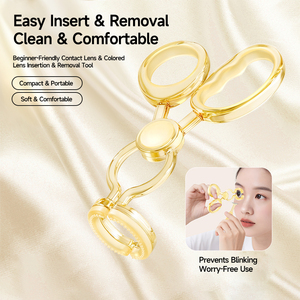
Beginner Silicone Contact Lens Applicator Eyelid Retractor Tool Set Tweezers Suction Stick Hands-Free Soft Lens Remover Helper
B2B Manufacturing Intelligence
Engineering High-Opacity Violet Optics for South Asian Eye Profiles
Pakistani consumers possess rich, deep brown melanated irises (Grade 4 to 5 on the Martin-Schultz scale). Standard western translucent violet lenses fail to achieve noticeable vibrancy on dark eyes. Our advanced cast-molding and sandwich encapsulation technologies solve this challenge through customized pigment layering and micro-engineered transition rings.
10+
Years Optical R&D
100%
In-House Micro-Molds
38% - 42%
Climate-Tuned Water Content
ISO & CE
Class II/DRAP Compliant
Key Optical Engineering Insight for Pakistani Importers:
The primary reason generic colored contacts underperform in Pakistan is chromatic absorption by high melanin levels in the natural stroma. Our violet contact lenses utilize a proprietary tri-tone dot-matrix printing system: a warm golden-honey inner transitional crown that softens the visual step from the natural pupil, a dense micro-pixelated amethyst-violet matrix that reflects ambient light, and a soft charcoal limbal ring that enhances corneal depth without producing an unnatural artificial ring.
Commercial Vertical Integration
Localized Applications: Where Violet Lenses Drive Margin in Pakistan
Understanding regional retail demographics, bridal seasonality, and professional studio channels allows Pakistani optical distributors and cosmetic importers to target lucrative market segments.
High-End Shaadi & Bridal Salons
Karachi (Clifton, Tariq Road), Lahore (Gulberg, DHA), and Islamabad host thousands of bridal studios where violet lenses are paired with rich warm-toned lehengas, gold zardozi embroidery, and plum or smoky eye makeup. Salons prefer yearly or monthly high-comfort blister packs to guarantee safety during 14-hour wedding rituals.
Lollywood, Drama & Digital Studio Shoots
Pakistan's booming television serial and film sector requires vivid optical color definition under harsh 4K tungsten and LED studio lighting. Our violet and lilac lenses provide uniform camera reflectivity without glare spikes, preventing optical flare and maintaining natural corneal convexity across high-definition close-up frames.
Gen Z TikTok & Social D2C Brands
Pakistani digital native brands on Instagram and TikTok generated record order volumes for colored lenses via Cash-on-Delivery (COD). Amethyst, electric violet, and pastel lavender styles deliver instant visual contrast in short-form video content, prompting spontaneous impulse purchasing among 18-28 year-old metropolitan consumers.
Festival Spikes (Eid-ul-Fitr & New Year)
Cosmetic lens purchasing surges by over 320% across Pakistan in the four weeks leading up to Eid-ul-Fitr and Eid-ul-Adha. Wholesalers throughout Shah Alam Market (Lahore) and Bolton Market (Karachi) stock comprehensive inventories of plano and low-minus power violet lenses to supply thousands of neighborhood pharmacies and cosmetic retailers.
Prescription Optical Retail Dispensing
Optical practitioners throughout major hospitals and chains (e.g., in Rawalpindi, Faisalabad, and Multan) increasingly dispense corrective cosmetic lenses. Our violet prescription inventory ranges from -0.50D to -8.00D with precise optical centers that correct myopia while providing transformative cosmetic aesthetics.
Cosplay & Theatrical Enthusiast Networks
Cosplay conventions in Karachi and Lahore (Twincon, Comic Con Pakistan) have sparked an appetite for high-saturation violet characters (anime, fantasy, and Gothic themes). Our opaque cosplay variants feature complete pupillary iris coverage while maintaining clear optical central sightlines.
Macro Dynamics & Engineering
Emerging Trends & Climatic Formulation Adjustments
Operating an optical contact lens business in Pakistan requires specialized knowledge of local climate stressors, consumer lifestyle shifts, and economic trends.
Optimized 38% Water Polymacon for Arid Heat
Cities like Multan, Jacobabad, and Lahore experience dry summer heat exceeding 45°C. Paradoxically, high-water lenses (55%+) dehydrate faster in hot, dry environments, pulling moisture from the wearer's precorneal tear film. Chroma Lens utilizes a stable 38% - 40% water content Polymacon hydrogel that maintains physical shape, tear-film equilibrium, and all-day hydration in dusty, low-humidity environments.
Transition from Glass Vials to Polypropylene Blisters
While traditional glass vials dominated wholesale bazaars due to perceived shelf permanence, modern brands in Pakistan are rapidly shifting to sterile, compact PP blister packs. Blisters dramatically reduce air freight weight by up to 55%, resist shattering during intercity courier transit via TCS or Leopards, and appeal to premium Gen Z consumers looking for tamper-evident packaging.
Rise of Turnkey Private Labeling (OEM)
Pakistani beauty influencers, dermatologists, and chain opticians are transitioning from selling third-party brands to building proprietary label equity. By partnering directly with our OEM factory, buyers obtain tailored blister foil artwork, luxury bilingual (English/Urdu) cartons, localized compliance certificates, and customized iris matrices unavailable to open-market competitors.
Factory Specifications
Technical Matrix: Violet Lens Manufacturing Parameters
Engineered to international optical standards and verified under stringent physical, chemical, and microbiological QA protocols.
| Technical Parameter | Export Specification (Pakistan Standard) | Manufacturing Tolerance | Clinical Advantage for Asian Corneas |
|---|---|---|---|
| Base Curve (BC) | 8.50 mm – 8.60 mm | ± 0.02 mm | Matches the mean 7.72mm anterior corneal radius of South Asian patients, ensuring optimal apical clearance. |
| Diameter (DIA) | 14.0 mm – 14.5 mm (14.2 mm Standard) | ± 0.10 mm | Offers 1.5mm limbal overlap for cosmetic enhancement without encroaching on scleral vascular networks. |
| Center Thickness | 0.07 mm – 0.08 mm (@ -3.00D) | ± 0.005 mm | Ultra-thin profile optimizes oxygen permeability (Dk/t) while maintaining structural resistance to edge tearing. |
| Water Content | 38% – 42% (Polymacon / HEMA Copolymer) | ± 1.5% | Resists environmental evaporation in high ambient temperatures, reducing contact lens-induced dry eye (CLIDE). |
| Pigmentation Technology | Sandwich Micro-Encapsulation | Zero external bleed | Dyes are completely embedded between two clear hydrogel polymer layers; no direct pigment contact with the cornea. |
| Power Range (Spherical) | Plano (0.00) to -8.00D (-0.25D / -0.50D steps) | ± 0.12D | Precision cast lathe-cut molds provide sharp visual acuity alongside cosmetic color transformation. |
| Sterilization Method | Wet Steam Autoclave (121°C for 30 min) | SAL 10-6 | Medical-grade terminal sterilization prevents acanthamoeba, fungal, and bacterial contamination. |
Why Chroma Lens Factory
Integrated Engineering: Full Control Over Critical Quality Steps
Unlike trading intermediaries that source from fragmented workshops, Chroma Lens maintains total ownership of tooling, polymer chemistry, and graphic formulation.
01
In-House Mold Tooling
We design, lathe, and polish our own optical master inserts. Curvature radius, peripheral bevels, and junction angles are controlled with sub-micron precision to guarantee batch-to-batch fitting consistency.
02
Proprietary Biocompatible Inks
Our formulation laboratory synthesizes non-toxic medical pigments. Inks demonstrate zero leaching under accelerated ISO 10993 cytotoxicity testing, ensuring rich violet color density that never fades.
03
Original Iris Dot Matrices
Our creative optics team creates custom iris patterns specifically calibrated to blend with dark eyes. Choose from our catalog of 200+ proven designs or commission exclusive patterns for your private label.
04
Complete Export Documentation
We equip importers with Certificates of Free Sale (CFS), ISO 13485 declarations, CE compliance files, safety data sheets (MSDS), and Certificate of Analysis (COA) required by Pakistani customs and DRAP auditors.
Import & Compliance Playbook
Navigating Pakistan Customs, DRAP & Payment Clearance
A step-by-step procurement framework for Pakistani optical wholesalers, online cosmetics retailers, and pharmaceutical distributors.
DRAP Medical Device Classification
Under Pakistan's Medical Device Rules (2017) enforced by the Drug Regulatory Authority of Pakistan (DRAP), contact lenses fall under Class B (Moderate Risk). Chroma Lens provides complete technical dossiers (STED), manufacturing licenses, and stability reports to facilitate your local Establishment License (Form-6) and Product Registration (Form-7).
SBP Forex & LC / CAD Payment Terms
Navigating State Bank of Pakistan (SBP) foreign exchange guidelines requires meticulous invoice structuring. We work with Pakistani commercial banks (Habib Bank Limited, Meezan Bank, MCB, UBL) via irrevocable Letters of Credit (LC at Sight) and Cash Against Documents (CAD), issuing compliant Proforma Invoices with standard HS Codes (9001.30.00).
Air & Sea Freight Routing to Pakistan
For urgent replenishment prior to wedding peaks or Eid festivals, our bonded logistics hub ships via Air Cargo (Cathay, Emirates, or DHL) directly to Jinnah International Airport (Karachi), Allama Iqbal International Airport (Lahore), or Islamabad International. Volume ocean shipments route to Karachi Port / Port Qasim with complete bill of lading consignments.
Procurement FAQ
Frequently Asked Questions by Pakistani Importers
Direct answers addressing technical parameters, minimum orders, private branding, and import logistics.
Will violet contact lenses show vividly on natural dark brown Pakistani eyes?
Yes. Generic lenses appear dull or grayish when worn over dark irises. Our violet collection utilizes an opaque sandwich dot-matrix with high-density titanium dioxide (TiO2) backing that completely obscures dark stromal melanin while reflecting vibrant violet, amethyst, and lavender tones.
What is the Minimum Order Quantity (MOQ) for custom private branding in Pakistan?
For our catalog-ready stock colors, the wholesale MOQ is just 50 to 100 pairs per SKU. For full OEM private labeling (custom brand boxes, bespoke blister foil printing, and exclusive iris design patterns), our MOQ typically starts at 500 to 1,000 pairs across mixed power ranges.
Do you provide the regulatory dossier needed for DRAP registration?
Yes. We furnish authorized distributors with full technical documentation for the Drug Regulatory Authority of Pakistan (DRAP), including ISO 13485 certificates, CE certificates, Certificates of Analysis (COA), biocompatibility reports (ISO 10993), and authorized Letters of Representation.
How does your lens material hold up in the high heat of Punjab and Sindh?
Our lenses are formulated with low-water (38%-40%) Polymacon hydrogel. In hot, dry climates like Lahore, Multan, or Hyderabad, high-water lenses lose moisture rapidly through surface evaporation, drying out the wearer's eyes. Our stable matrix holds water tightly, providing comfort during long wedding functions.
Can you supply mixed powers (Plano up to -8.00D) within the same order?
Absolutely. We understand that Pakistani optical dispensaries require a wide power distribution. We support mixed-diopter orders ranging from 0.00 (cosmetic plano) up to -8.00D in 0.25D or 0.50D increments across our violet and natural cosmetic collections.
What is the typical shipping transit time from factory dispatch to Karachi?
Air express shipments via DHL/FedEx arrive in Karachi, Lahore, or Islamabad within 4 to 7 business days from factory dispatch. Standard commercial air cargo takes 7 to 10 days, while bulk sea freight to Karachi Port / Port Qasim requires approximately 20 to 25 days transit time.
Request Factory Pricing & Sample Kits for Pakistan
Partner directly with Chroma Lens Technology Co., Ltd. Launch exclusive violet contact lens collections, expand your optical chain's margins, and access full OEM private label support.
Fast Express Sample Dispatch
DRAP Compliance Documentation
Flexible LC / CAD Payment Options