High-Velocity Yearly Disposable Lenses & Optical Accessories
Curated for optical retail chains, beauty distributors, and costume importers across Ontario, British Columbia, Alberta, and Quebec.
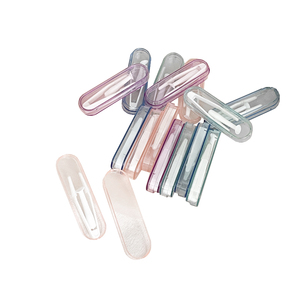
In Stock Colorful Contact Lens Cases Accessories Tweezer and Clip Packing
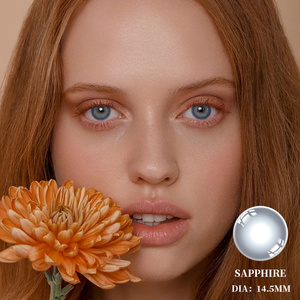
Any Color 14.2-14.5mm Yearly Soft HEMA Beauty Enhancement Lenses
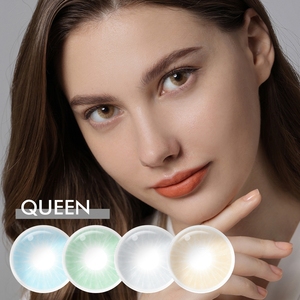
Magister QUEEN High-Opacity Eye Cosmetic Soft Contact Lenses
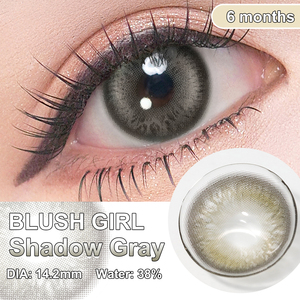
Magister Deep Iris Soft Gray Tone Yearly Contact Lenses
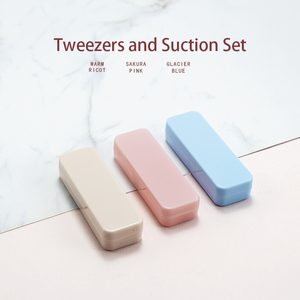
Direct Candy Coloured Applicator Stick & Insertion Tool
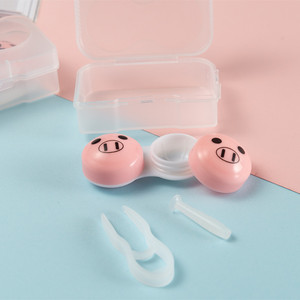
CHANXIN MC-106 Complete Protective Travel Kit & Dual Case
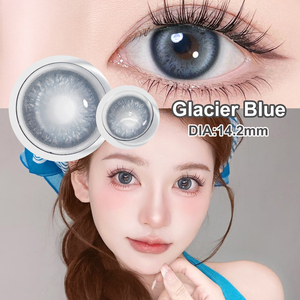
Magister Blush Soft 14.2mm Doll-Eye Effect Cosmetic Lenses
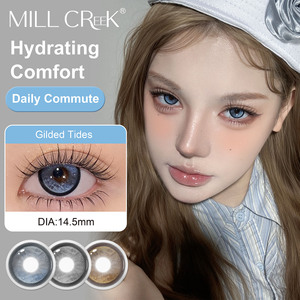
Haipurecon Factory Direct Sky Blue Natural Tri-Tone Lens
Navigating the Canadian Market for Yearly Disposable Contact Lenses
The Canadian contact lens landscape represents a unique balance between rigorous medical regulatory enforcement and an expanding discretionary market for cosmetic, dramatic transformation, and prescription color contact lenses. As a professional manufacturer, Chroma Lens delivers high-integrity manufacturing protocols tailored specifically to the clinical, climatic, and consumer expectations of the Canadian provinces.
1. Canadian Climatic Demands and Tear-Film Stability
Distributors operating in metropolitan areas like Toronto, Montreal, Calgary, and Vancouver experience severe climatic variance. Canadian winters bring indoor heating coupled with sub-zero external air temperatures, which drastically increases the risk of tear evaporation and end-of-day contact lens discomfort. Unlike generic daily disposables that dry rapidly in arid conditions, our yearly disposable lenses are cast with high-purity Hydroxyethyl Methacrylate (HEMA) polymers engineered for stable 38% to 40% water retention. This specific water bracket restricts the lens from leaching natural pre-corneal moisture from the wearer’s eyes, maintaining high oxygen permeability (Dk/t) and structural lubricity throughout long wear cycles across Canadian winter months.
2. Health Canada Regulatory Framework Alignment
Under Health Canada's Medical Devices Regulations (CMDR), both corrective and non-corrective (decorative/plano) cosmetic contact lenses are designated and monitored as Class II Medical Devices. Commercial importers cannot treat cosmetic lenses merely as beauty accessories. Sourcing from our manufacturing lines grants enterprise buyers direct traceability: clean-room environmental reports, ISO 13485:2016 quality framework tracking, and lot-numbered sterilization documentation that satisfy the regulatory verification protocols expected by Canadian borders and health agencies.
3. Sandwich Micro-Encapsulation for Ocular Safety
To eliminate ocular abrasions, pigment run-off, or allergic keratoconjunctivitis, all Chroma Lens yearly disposable series utilize full sandwich printing technology. The color pigments—formulated with biocompatible iron oxides and titanium dioxides—are locked completely within an internal polymer barrier, ensuring absolute isolation from corneal epithelial tissue and palpebral conjunctiva.
Localized Application Scenarios Across Canadian Verticals
Strategic segments driving repeat orders, private-label branding, and wholesale distribution in North America.
Multicultural Urban Beauty Retail
Canada’s dynamic demographic profile in regions like the Greater Toronto Area (GTA) and Metro Vancouver creates heavy retail demand for contrasting, highly opaque natural cosmetic lenses (blacks, honeys, hazelnuts, deep grays) suited for deeply pigmented natural irises.
Film, TV & Theatrical Production Hubs
With Vancouver and Toronto serving as major film production capitals ("Hollywood North"), theatrical agencies require durable yearly disposable FX lenses that withstand 12+ hour filming shifts under studio spotlights without color degradation or deformation.
Anime Conventions & Seasonal Retail
Events such as Fan Expo Canada, Otakuthon Montreal, and nationwide Halloween pop-ups drive massive demand for yearly cosplay lenses. Buyers maximize ROI through durable lenses that can be re-worn for multiple conventions across their 12-month lifecycle.
Emerging Canadian Market Trends (2025–2030)
Market movements impacting wholesale procurement, inventory margins, and customer preferences.
Inflation Hedge: Shift to Yearly Disposables
Amid consumer financial caution and optical retail price surges across Canadian provinces, consumers are migrating away from costly daily recurring packages back toward value-rich, durable yearly replacement formats that deliver an entire year of styling for a fraction of the cost.
Bilingual Packaging Compliance Readiness
National retail distribution in Canada (specifically into Quebec and major pharmacy chains like Shoppers Drug Mart/Pharmaprix) mandates French and English bilingual instructional copy and labeling. Importers are choosing factories that offer turn-key bilingual OEM packaging lines.
Hybrid Optical-Cosmetics Distribution
Independent Canadian optometrists and cosmetic beauty salons are expanding combined offerings. Yearly cosmetic lenses bundled with medical-grade multi-purpose cleaning solutions create an ongoing, predictable recurring margin for wellness clinics.
Why Canadian B2B Importers Partner with Chroma Lens
Unlike trading intermediaries, we govern every critical stage of technical optics and chemical compounding under one roof.
In-House Tooling & Mold Mastery
We build our own cast-molding tools. We guarantee uniform edge-thinning profiles, reducing foreign-body sensation and maximizing fit accuracy to Canadian optical standards.
Proprietary Micro-Pigment Formulations
Formulated internally to resist fading, saline leaching, and autoclave sterilization breakdown, delivering 100% color consistency between production batches.
Original Custom Iris Libraries
Our dedicated design team produces exclusive iris rings and multi-toned cosplay motifs that protect brand clients from catalogue price wars on Amazon or Shopify.
Batch Traceability & QA Integrity
Full batch autoclaving, computerized defect scans, and sealed blister/vial integrity testing back every shipment delivered to Canadian ports of entry.
Frequently Asked Questions by Canadian Buyers
Clear answers to regulatory, logistical, and technical questions when importing yearly disposable contact lenses into Canada.
Q: Do cosmetic lenses require medical registration under Health Canada?
Yes. Health Canada classifies decorative, cosmetic, and non-corrective lenses under Class II of the Medical Devices Regulations. Canadian importers must hold an active Medical Device Establishment Licence (MDEL) or work with licensed distributors. Chroma Lens provides all essential production audit metrics, technical parameter sheets, and batch certificates needed to complete your establishment requirements.
Q: Can Chroma Lens accommodate bilingual English/French packaging for Canada?
Absolutely. We handle custom artwork, bilingual outer boxes, blister foils, and insert booklets that conform strictly to Canada's Consumer Packaging and Labelling Act and Quebec's Charter of the French Language (Bill 96 requirements for retail commercial packaging).
Q: What is the advantage of yearly disposables over daily wear in cold Canadian climates?
Our yearly lenses maintain structural stability and utilize balanced 38%-42% water content hydrogel matrixes that do not rob the eye of tear lipids during the cold, dry Canadian winter. The thicker edge-tapering profile also ensures ease of cleaning, handling, and resistance to tearing over 365 daily sanitization routines.
Q: What is the typical freight timeline and port handling for Canadian orders?
Air cargo shipments directly arrive at YVR (Vancouver), YYZ (Toronto Pearson), or YUL (Montreal) within 4 to 7 business days from dispatch. Ocean container consignments destined for nationwide distribution typically clear via the Port of Vancouver or Port of Montreal with full bill of lading, commercial invoices, and sanitized batch declarations.