Cosplay / Theatrical
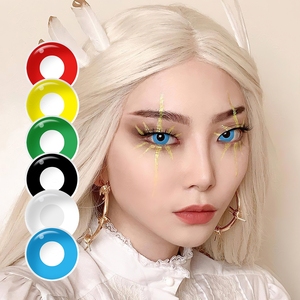
Engineered through proprietary automated micro-cast molding, our core production catalog integrates high-density limbal perimeter rings with comfortable polyHEMA-NVP matrices, validated for international eye-care compliance.
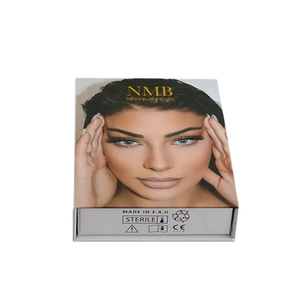
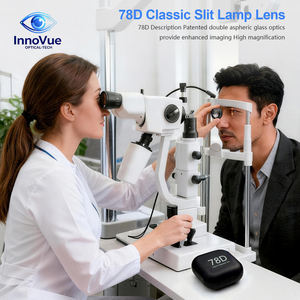
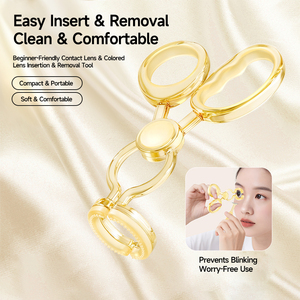
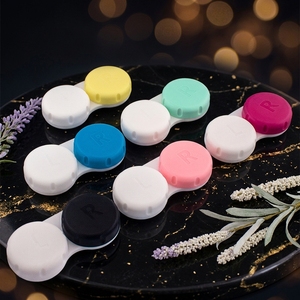
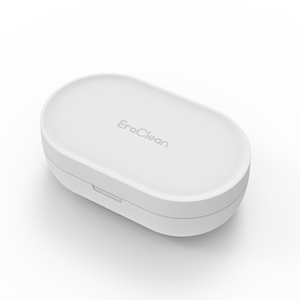
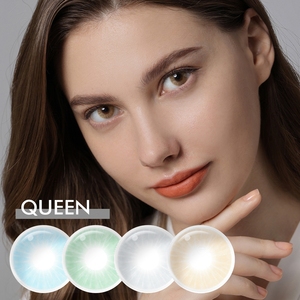
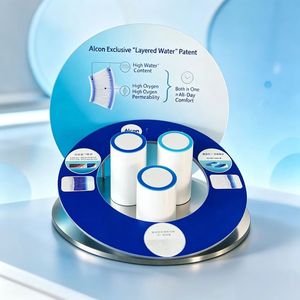
Limbal ring contact lenses represent the single most lucrative segment of the cosmetic contact lens industry. In human ocular physiology, the limbus is the perimeter transition zone between the transparent cornea and the opaque sclera. A prominent, well-delineated dark limbal ring is evolutionarily associated with health, visual depth, and youth. For consumer brands, optical distributors, and e-commerce beauty private labels, sourcing from an authentic Chinese contact lens factory that understands precision limbal ring reproduction is critical to brand loyalty and clinical safety.
Conventional cosmetic lenses frequently suffer from jagged dot-matrix patterns, pupil occlusion, or excessive edge stiffness. In contrast, premium-tier Chinese manufacturing operations utilize advanced sandwich cast-molding encapsulation (Dual-Layer Entrapment). Under this process, biomedical printing inks containing micronized inorganic iron oxides and phthalocyanine pigments are locked completely inside the internal hydrogel matrix. As a result, the pigments never come into contact with corneal endothelial cells or palpebral conjunctiva, completely eliminating pigment leach risk while maintaining tear-film stability and oxygen permeability.
Clinical Insight for B2B Importers: According to ISO 18369 ophthalmic optical standards, color contact lenses must maintain equivalent oxygen transmissibility (Dk/t) relative to clear contact lenses within ±10% margin. Factories employing proprietary micro-dot matrix printing ensure the limbal ring boundary has feather-edge micro-channels that allow dynamic metabolic tear exchange under the contact lens bevel.
From a product design standpoint, limbal ring designs fall into three functional categories: Crisp Solid Rings for high-contrast dramatic expansion, Soft Gradient Feathered Rings for seamless natural iris blending, and Dual-Tone Radial Rings that provide three-dimensional optical depth. The technical difficulty lies in concentric precision. If the outer limbal diameter (typically ranging from 13.8mm to 14.5mm Graphic Diameter) is offset by more than 0.05mm from the geometric optical center, the wearer experiences visible lens decentration and visual astigmatic glare. China's leading automated manufacturers now deploy computerized closed-loop vision inspection systems to guarantee zero optical decentration across millions of mass-manufactured units.
Sourcing directly from Chroma Lens Technology Co., Ltd. eliminates third-party trading markups and provides international distributors with direct engineering access. Our production facility in the Yongji Economic Development Zone represents state-of-the-art cleanroom manufacturing equipped with class 10,000 cleanrooms and multi-cavity precision tooling.
We do not purchase generic pre-fabricated molds. Our in-house mold toolroom micro-machines our own casting dies to micro-inch tolerances, maintaining flawless base curve accuracy (8.5mm to 8.7mm) and preventing edge curl.
Formulated exclusively within our chemical laboratory, our medical-grade inks withstand high-temperature autoclave sterilization (121°C for 25 minutes) without chromatic alteration, oxidation, or binder degradation.
Distributors benefit from our extensive internal pattern design library. Our designers develop exclusive iris gradients, translucent limbal rims, and custom pupil sizing that are IP-protected for your specific market.
From monomer polymerization to blister saline packaging, every individual lens is linked to batch-specific polymer synthesis records, raw material certificates of analysis (CoA), and automated AOI inspection logs.
Comprehensive private label capabilities ranging from custom printed foil blister packs and sterilized glass vials to retail display fixtures, luxury outer folding boxes, and multimodal insertion accessories.
Packaging, labeling, and technical documentation prepared directly according to ISO 13485 medical device quality management frameworks and regional registration directives across North America, the EU, and Southeast Asia.
As the international contact lens landscape evolves under stricter regulatory oversight and shifting consumer demographics, professional B2B purchasing agents must adapt their sourcing strategies. Below are the critical technological shifts reshaping bulk wholesale procurement from Chinese manufacturing hubs:
Historically, cosmetic limbal ring contact lenses were dominated by 6-month or yearly replacement cycles packaged in glass vials. However, global market data demonstrates an accelerating shift toward daily disposable single-use blisters. Driven by ocular hygiene awareness and the convenience of zero maintenance solutions, daily cosmetic wearers reduce corneal ulceration risks by over 80%. Leading Chinese factories are investing heavily in automated, high-speed blister packing lines that produce millions of sterilized 1-day packs per month, significantly lowering the per-unit cost threshold for private-label brands entering the daily disposable sector.
While traditional polyHEMA (hydroxyethyl methacrylate) materials remain the benchmark for affordability and ease of pigmentation, third-generation silicone hydrogel formulations are entering the cosmetic colored sector. Silicone hydrogel delivers oxygen transmissibility (Dk/t) values exceeding 80–120 Fatt units—compared to 15–25 Fatt units for standard hydrogel—enabling extended daily wearing without corneal edema or limbal redness. For procurement managers, stocking SiHy limbal ring lenses positions brands squarely into the premium, eye-care professional (ECP) approved price tier.
Early-generation limbal rings featured thick, stark black outlines that frequently looked artificial on close inspection. Current and future market winners utilize biomimetic micro-droplet inkjet technology. By depositing dot diameters under 25 microns with progressive radial feathering, modern limbal contact lenses create optical illusion depth that mimics natural iris trabecular meshwork. This trend allows a single lens SKU to blend organically across dark brown, hazel, green, and blue natural irises, effectively reducing SKU inventory complexity for wholesale importers.
When issuing Requests for Quotation (RFQs) to Chinese contact lens suppliers, comparing technical parameters against application segments ensures optimal product-market fit:
| Evaluation Parameter | Standard Hydrogel (polyHEMA) | Hybrid Hydrogel (HEMA-NVP) | Advanced Silicone Hydrogel (SiHy) |
|---|---|---|---|
| Target Replacement Cycle | Monthly to Yearly Disposable | Daily to Monthly Disposable | Daily Disposable (Premium Tier) |
| Water Content (%) | 38% - 40% | 42% - 45% | 48% - 55% |
| Oxygen Permeability (Dk/t) | 12 - 18 Fatt | 22 - 28 Fatt | 85 - 130 Fatt |
| Pigment Encapsulation Method | Pad Printing / Cast Mold Embed | Full Sandwich Cast Entrapment | Molecular Matrix Entrapment |
| Primary Market Application | Cosplay, Seasonal, Value Fashion | Daily Beauty, Retail Chains | Clinical Optical, Medical Aesthetics |
| Procurement Cost Structure | Economical / High Margin | Balanced Cost-Performance | Premium Investment |
Regulatory authorities including the US FDA, European MDR (EU 2017/745), and UKCA now strictly classify all colored contact lenses—even non-corrective plano cosmetic varieties—as Class II or Class IIb medical devices. Factory suppliers must provide Unique Device Identification (UDI) barcodes, biological evaluation reports (ISO 10993 cytotoxicity, ocular irritation, and systemic toxicity tests), and cleanroom microbiology validations. Discerning buyers must only partner with Chinese manufacturing facilities maintaining active ISO 13485 accreditations and verifiable CE Technical Documentation files.
Direct answers to critical operational, technical, and logistical questions encountered by overseas optical buyers, brand founders, and procurement officers.
For our existing, catalog-approved limbal ring patterns packed in standard vials or unbranded blister packs, MOQs start as low as 50 to 100 pairs per SKU. For fully customized graphic patterns requiring custom mold engineering, new colorway formulation, and branded foil blister packaging, standard production batch minimums are typically 1,000 to 3,000 pairs per power/color combination.
We employ a proprietary 3-layer Sandwich Cast-Molding process. An initial transparent bio-compatible polymer layer is spun into the concave optical mold, followed by high-resolution printing of the limbal ring and iris pattern using our proprietary medical-grade pigment ink. Finally, a secondary sealing polymer layer is applied and cured under ultraviolet heat, fully sealing the color pigment within the core of the lens structure.
Yes, we provide full diopter power coverage from plano (0.00) down to -8.00D (in 0.25D steps between -1.00 and -6.00, and 0.50D steps between -6.00 and -8.00). Custom astigmatic (toric) cosmetic limbal lenses can also be engineered upon special project evaluation and mold tooling agreement.
We supply comprehensive technical dossiers including ISO 13485:2016 audit certificates, CE declarations of conformity, Certificates of Free Sale (CFS), ISO 10993 biocompatibility testing reports, accelerated shelf-life aging test reports (validating up to 5-year expiration), and sterilized packaging seal integrity verification.
Pre-production graphic artwork and physical samples are completed within 7 to 12 working days. Once samples and final packaging artwork proofs are formally approved, bulk production typically requires 25 to 35 working days, including the statutory 14-day post-autoclave microbiological quarantine and sterility culture testing.
Our turnkey OEM services extend far beyond the contact lens blister. We design and manufacture custom printed folding boxes, tamper-evident holographic security stickers, instruction for use (IFU) leaflets multi-translated into English, Spanish, French, or Arabic, as well as customized acrylic and stainless steel counter display stands.
Accelerate your brand's growth with factory-direct pricing, proprietary bio-safe color pigmentation, comprehensive ISO 13485 documentation, and dedicated OEM private-label support.
Get Catalog