Natural 2025 Trend
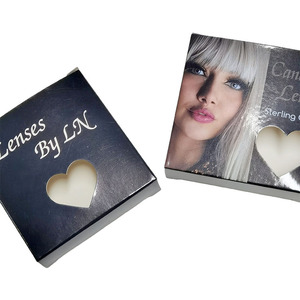
Explore high-volume OEM/ODM references engineered with sandwich bio-encapsulation, high oxygen permeability, and trendsetting iris micro-patterns.
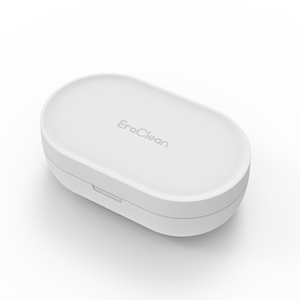
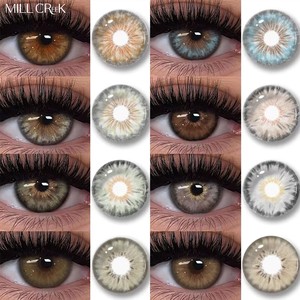
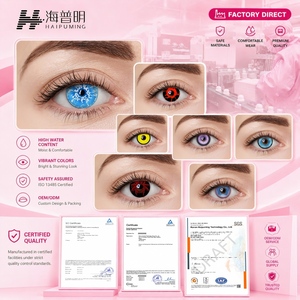
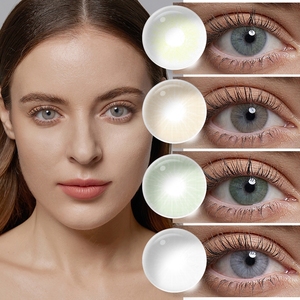
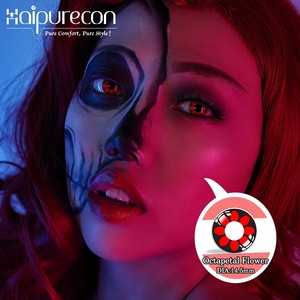
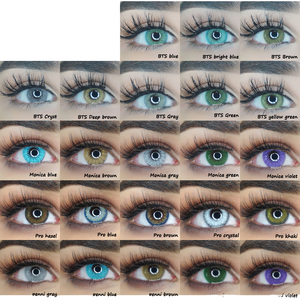
A comprehensive procurement framework covering hydrogel polymer science, biological pigment isolation, regulatory filings, and global supply chain resilience.
Plano colored contact lenses (0.00 diopter cosmetic lenses) represent one of the fastest-growing sectors in the global optical and personal aesthetics market. Historically viewed as novelty party items, cosmetic contact lenses are now categorized worldwide by medical authorities—including the U.S. FDA, the European Medical Device Regulation (MDR 2017/745), and the Chinese NMPA—as Class II or Class III medical devices. Navigating the selection of the Top 10 plano colored contact lenses factory & supplier requires international procurement directors to look beyond mere surface graphic appeal and evaluate polymer rheology, mold manufacturing micro-tolerances, and biocompatible pigment encapsulation techniques.
The mechanical comfort and ocular safety of a plano colored lens depend directly on the interaction between its baseline polymer matrix and tear film dynamics. Because plano wearers do not require focal correction, compliance challenges often emerge: end users wear lenses strictly for cosmetic aesthetics, sometimes across long workdays or events, making corneal oxygen transmission (Dk/t) and surface wettability paramount.
Premium factories engineer lenses using poly-hydroxyethyl methacrylate (poly-HEMA) modified with hydrophilic comonomers such as N-vinylpyrrolidone (NVP) or methacrylic acid (MAA), stabilizing equilibrium water content (EWC) between 38% and 42%. A 38% water content polymer retains optimal mechanical modulus (resisting dehydration-induced structural warping on the eye), while higher water formulations (45%–55%) require specialized surfactant packaging solutions to avoid drawing moisture from dry corneas.
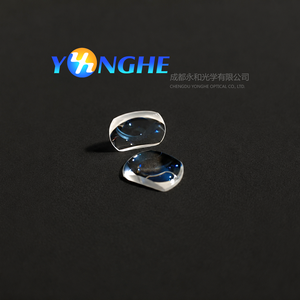
Direct CNC micro-milling of optical inserts ensures zero edge flare, maintaining base curve repeatability within ±0.02 mm.
Dual-layer hydrogel containment prevents colorant flakes from directly contacting corneal tissue or conjunctiva.
Non-reactive, non-leaching biocompatible color dispersions meeting strict USP Class VI toxicology benchmarks.
When evaluating suppliers from global hubs (China, South Korea, Taiwan), optical buyers must scrutinize production methodologies. The table below outlines the core technical discrepancies between premier production facilities and generic low-cost workshops:
| Evaluation Parameter | Chroma Lens / Top-Tier Standard | Generic / Low-Cost Workshop | Procurement Risk Factor |
|---|---|---|---|
| Color Printing Technology | Triple-layer sandwich encapsulation; 0% exterior surface pigment exposure. | Single-sided surface pad printing; pigment exposed to mechanical tear friction. | High: Epithelial abrasion |
| Tooling & Mold Control | In-house ultra-precision diamond turning lathes for custom base curves (8.5 - 8.7 mm). | Secondary purchased recycled molds with surface micro-scratches. | Comfort: Peripheral edge pinch |
| Ink Formulation | Proprietary inorganic mineral pigments; molecular cross-linked bonding. | Standard industrial dye blends without reactive functional groups. | Safety: Chemical cytotoxicity |
| Dimensional Consistency | Sub-micron laser interferometry batch inspection; automated optical sorting. | Manual sample checks; edge thickness variations > 15%. | Returns: Excessive user dropout |
The global plano colored lens industry is experiencing three seismic shifts that B2B brand owners, pharmaceutical chains, and cosmetic distributors must address to protect their retail margins:
A. Shift Toward Short-Term Disposable Modalities: While yearly (HEMA) lenses remain volume drivers in Latin America, Southeast Asia, and costume niches, European and North American markets are aggressively migrating toward daily disposable (1-day) and monthly plano replacement cycles. Daily modalities eliminate compliance-related lens case contamination, offering superior comfort for sporadic cosmetic users.
B. Hyper-Realistic Multi-Tone Micro-Lattice Dot Matrix: Generic solid limbal rings have fallen out of favor. Consumer demand focuses on multi-depth iris realism—such as our Korean 3-tone and custom "Love Window" micro-dot arrays. These patterns utilize gradual translucency layers that blend seamlessly with natural melanin patterns, accommodating both light and dark eyes without synthetic "flatness."
C. Stringent Traceability and Medical Device Audit Compliance: Global regulators require digital lot number traceability down to the specific curing mold and monomer formulation tank. Importers must confirm that manufacturing plants hold verified ISO 13485 quality systems and technical documentation portfolios ready for submission to regulatory ministries.
Direct ownership of every mission-critical process—from monomer synthesis to final blister sealing.
Zero dependency on third-party molders. We adjust base curve (8.6mm standard), sagittal depth, and diameter within 7 days for custom brand specifications.
Formulated in our cleanroom laboratories, our inks ensure consistent chromatic saturation across 100,000+ unit runs without color bleeding or fading.
Our dedicated design team develops over 150 exclusive seasonal and beauty patterns every year, granting your brand IP-protected designs that prevent copycat competition.
Comprehensive export documentation including complete technical dossiers, free sale certificates (FSC), sterile barrier test reports, and customized packaging compliant with global labeling codes.
Direct, technically verified answers addressing the commercial and manufacturing inquiries of optical distributors.
Partner with a top manufacturer offering in-house mold production, safe pigment encapsulation, and custom packaging support. Connect with our technical optical sales engineering team today.