Precision Engineered Contact Lenses & OEM Packaging Solutions
Explore high-volume OEM/ODM contact lens collections, specialized cosmetic geometries, and medical-grade sterilization packaging engineered for global optical brands.
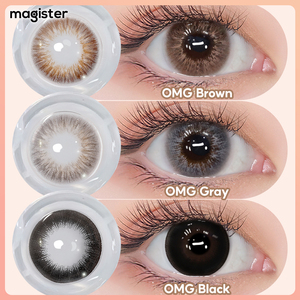
MAGISTER Wholesale Comfortable Colored Contact Lens
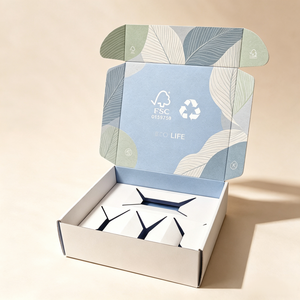
Custom Logo Rigid Magnetic Contact Lens Packaging Box
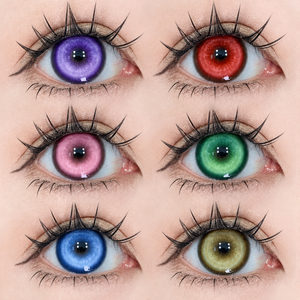
Cosplay 14.5mm Halloween Crazy Colored Contact Lenses
Medical-Grade Sterile Blister Packs for Color Contact Lenses
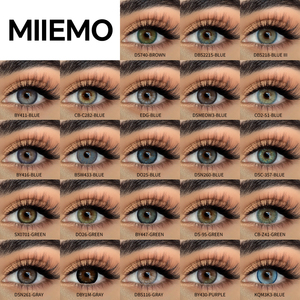
Soft Natural Colored Contact Lenses Private Label Cosmetic Series
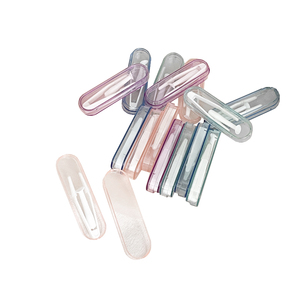
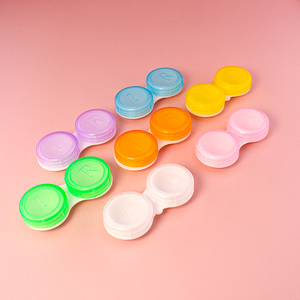
Portable Travel Contact Lens Kit Cases with Inserter Tweezers
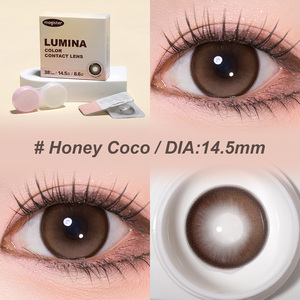
Magister Lumina Tri-Tone 14.5mm Multi-Color Aesthetic Lenses
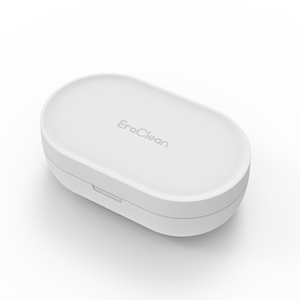
EraClean Portable Ultrasonic Contact Lens Cleaner with Magnetic Dock
Top 10 Global Private Label Contact Lens Manufacturers & Foundries
A rigorous comparative analysis of the primary soft contact lens foundries across Asia, Europe, and North America. Evaluated by polymer casting precision, mold ownership, regulatory clearances (ISO 13485, CE 0197, FDA 510(k)), and private label customization capacity.
Chroma Lens Technology Co., Ltd.
InnovaVision Automated Casting Inc.
Pegavision Optical Bio-Foundry
Bescon Contact Lens Co., Ltd.
G&G Contact Lens Engineering
Interojo Inc. Optical Foundry
Seed Optical Manufacturing Group
St. Shine Optical Co., Ltd.
Belmore Contact Lens Foundry
Menicon Advanced Optics OEM
Why Tier-1 Brands Select Chroma Lens Technology
Unlike commercial trading intermediaries, Chroma Lens owns the critical technical links in the value chain: micro-mold machining, specialized dye formulation, cleanroom cast-molding, and custom secondary packaging.
In-House Mold Engineering
We craft our optical injection steel tooling in-house with sub-micron diamond lathe machinery. This enables rapid base curve (8.4-8.8mm) calibration, bespoke diameters (14.0-14.8mm), and zero dependency on third-party mold schedules.
Proprietary Non-Ionic Inks
Synthesized in our specialized optic chemistry labs, our pigment vehicles prevent color degradation during high-temperature autoclave sterilization (121°C). Colors maintain consistent saturation across dark and light irises.
Sandwich Micro-Encapsulation
Our 3-tier matrix lock embeds the bio-safe colorants entirely between outer hydrophilic polymer barriers. Zero pigments touch corneal or conjunctival tissue, completely eliminating cytotoxicity and surface roughness risks.
Full Turnkey Private Label
From custom sterile blister foil stamping and robotic saline sealing to luxury magnetic cardboard retail presentation sets and ultrasonic cleaning peripherals—we provide ready-for-market shelf solutions.
Standard Private Label Technical Specifications
A reference engineering baseline for international procurement teams. Every batch is validated against ISO 18369 ophthalmic optics criteria before release.
| Evaluation Parameter | Natural Cosmetic Series | Theatrical & Cosplay Line | Clear Prescription Program | Verification Protocol |
|---|---|---|---|---|
| Base Curve (B.C.) | 8.50 mm / 8.60 mm (±0.02) | 8.60 mm (±0.03) | 8.40 mm - 8.80 mm Custom | ISO 18369-3 Sagittal Depth |
| Total Diameter (DIA) | 14.0 mm - 14.2 mm | 14.5 mm - 14.8 mm | 14.0 mm - 14.2 mm | Optical Comparator Projection |
| Center Thickness (CT) | 0.07 mm - 0.08 mm (@ -3.00D) | 0.08 mm - 0.09 mm | 0.06 mm Ultra-Thin | Electronic Thickness Gauge |
| Water Content | 40% - 42% HEMA / GMA | 38% - 40% Hydrogel | 55% High Hydrophilic | Refractive Index Gravimetric |
| Oxygen Permeability | 18 - 25 Dk/t (PolyHema) | 16 - 22 Dk/t | Up to 100+ Dk/t (SiHy) | Polarographic Method |
| Pigment Isolation | Sandwich Imbedded | Full Bio-Encapsulation | N/A (Clear Matrix) | ISO 9394 Cytotoxicity Rub Test |
| Power Sphere Range | 0.00 to -8.00 (0.25/0.50 steps) | Plano (0.00) / Custom Rx | +6.00 to -12.00 Diopters | Automated Lensmeter Lensometry |
| Sterilization Method | Wet Autoclave (121°C ≥20min) | Wet Autoclave (121°C) | Wet Autoclave (121°C) | Biological Indicator Spores (SAL 10⁻⁶) |
Next-Generation Procurement & Technology Trends
Stay ahead of evolving consumer preferences, medical regulations, and biomaterial innovations driving the contact lens manufacturing sector from 2025 to 2030.
1. Silicone Hydrogel Cosmetic Adoption
While traditional Polymacon dominated legacy colored contacts, tier-1 brands are transitioning to breathable Silicone Hydrogel (SiHy). Buyers now prioritize materials offering Dk/t > 80 to meet all-day comfort expectations without compromising pigment opacity.
2. AI-Assisted Bio-Mimetic Pattern Generation
Flat, mechanical circle designs are being replaced by multi-tonal bio-mimetic iris patterns. By deploying algorithmic color placement, factories achieve genuine depth and limbal blending that adapts dynamically to both dark Asian irises and pale Caucasian eyes.
3. EU MDR (2017/745) & UDI Enforcement
Global regulatory enforcement has intensified. The transition from MDD to EU MDR classifies cosmetic contacts as high-scrutiny Class IIa devices without medical claims. Importers must secure certified Technical Documentation Files, Clinical Evaluations, and GS1-compliant UDI barcodes.
4. Sustainable Blister & Reduced Saline Footprint
Environmental governance is forcing reduction in single-use plastic waste. Leading foundries are engineering thermoformed polypropylene blisters that consume 30% less plastic and utilize biocompatible saline volumes optimized for transport weight reduction.
5. Micro-Batch SKU Rapid Testing Workflows
Fast-fashion cosmetic brands demand lower minimum order quantities (MOQs) with accelerated release cycles. Suppliers offering standardized raw blister inventories that can be labeled and boxed under agile print-on-demand setups hold an insurmountable speed-to-market advantage.
Frequently Asked Questions on OEM Lens Sourcing
Critical operational answers for supply chain directors, brand founders, and optical procurement specialists.