Advanced Optical & Cosmetic Contact Lens Solutions
Direct-factory supply tailored for Norwegian optical distributors, aesthetic clinics, pharmacy retail groups, and specialized seasonal costume merchants.
The Norwegian Contact Lens Market: Biometrics, Sub-Zero Indoor Climates & Regulatory Landscape
Entering the optical and cosmetic contact lens market in Norway requires a refined understanding of Scandinavian demographic ocular biometrics, local regulatory frameworks under the Norwegian Medical Products Agency (Direktoratet for medisinske produkter - DMP), and the severe environmental challenges unique to the Nordic region. In contrast to broader Southern European or Asian markets, Norwegian consumers display specific keratometric distributions—consistently requiring flatter base curves (typically 8.6 mm to 8.7 mm) and visible horizontal iris diameters (HVID) averaging 11.8 mm to 12.1 mm. Generic Asian-fit lenses with steep base curves (8.4 mm to 8.5 mm) cause tight-lens syndrome, corneal limbal compression, and hypoxia when introduced to Scandinavian wearers.
Furthermore, Norway experiences prolonged sub-zero winter temperatures coupled with aggressive indoor dry-air central heating. These environmental conditions exacerbate tear evaporation, rendering high-water-content conventional hydrogel lenses counterproductive, as they desiccate the tear film by drawing moisture outward from the cornea. As a specialized OEM/ODM factory partner serving distributors across Oslo, Bergen, Trondheim, and Stavanger, our production engineering utilizes customized PolyHEMA and advanced Silicone Hydrogel matrices. By keeping nominal water content calibrated between 38% and 42% while optimizing oxygen transmissibility (Dk/t), our lenses maintain corneal metabolic integrity and exceptional all-day hydration even during freezing Scandinavian winter months.
Under the European Union Medical Device Regulation (EU MDR 2017/745), which Norway enforces seamlessly through the EEA Agreement, zero-power (plano) cosmetic colored lenses are classified alongside prescription corrective contact lenses under Annex XVI as devices without an intended medical purpose. Suppliers who falsely attempt to clear customs via simple cosmetic declarations face immediate border seizures and regulatory blacklisting by Norwegian customs (Tolletaten). Working directly with our certified factory ensures full Class IIa technical file conformity, pristine EUDAMED traceability, and comprehensive audit defense.
| Technical Parameter | Nordic Standard Specification | Factory Production Tolerance | Clinical Performance Rationale |
|---|---|---|---|
| Base Curve (BC) | 8.60 mm – 8.70 mm | ±0.02 mm (Cast Molded) | Prevents limbal binding on flatter Nordic corneas; ensures 0.2–0.4mm tear exchange blink lag. |
| Overall Diameter (DIA) | 14.0 mm – 14.5 mm | ±0.05 mm Precision | Optimized for typical Scandinavian HVID (11.8–12.1mm) with complete peripheral coverage. |
| Center Thickness (CT) | 0.06 mm – 0.08 mm (@ -3.00D) | ±0.005 mm Micro-lathe | Ultra-thin profile maximizes Dk/t oxygen flow while sustaining structural tear-resistance. |
| Water Content | 38% – 42% Hydrophilic | ±1.5% Hydration Control | Mitigates on-eye dehydration in low-humidity heated Nordic residential & office spaces. |
| Color Encapsulation | Proprietary 3-Layer Sandwich | Zero Surface Exposure | FDA/CE approved reactive dyes locked between hydrogel layers; no direct corneal pigment contact. |
Localized Application Scenarios Across Norway
From high-volume seasonal youth cultural events to bespoke professional optical practices, we empower Norwegian B2B buyers with targeted portfolio segmentation.
The "Russefeiring" Graduation Surge
The annual Norwegian *Russefeiring* (celebrated by graduating high school seniors from mid-April through May 17th) represents one of the world's most concentrated seasonal lifestyle markets. Customized thematic colored contacts (matching individual bus concepts, vivid shades, and expressive cosplay tones) experience massive impulse demand among 18-to-19-year-olds. We provide pre-packaged, blistered monthly and daily units with custom Nordic retail display branding delivered early Q1 for peak inventory ramp-up.
Nordic Cosplay, Theatrical & LARP
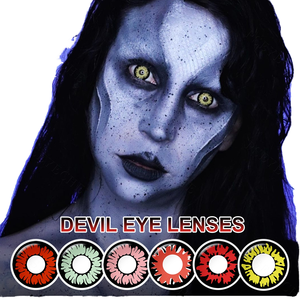
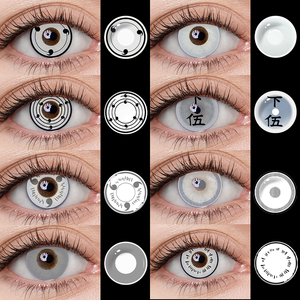
Norway boasts vibrant, quality-conscious subcultures centered around gatherings such as Torucon (Trondheim), Desucon, and extensive live-action role-playing (LARP) communities. These end-users demand dramatic iris transformation—such as full-coverage anime Sharingan, sclera accents, and high-opacity mesh effects—without sacrificing comfort over 12-hour convention wearing times. Our 14.5mm theatrical line delivers total iris masking over dark and light eyes alike with Class IIa medical safety.
Aesthetic Naturalism: "Quiet Beauty"
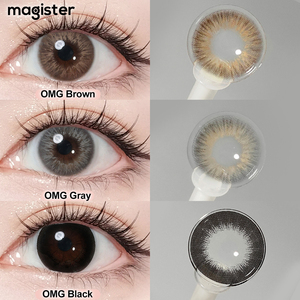
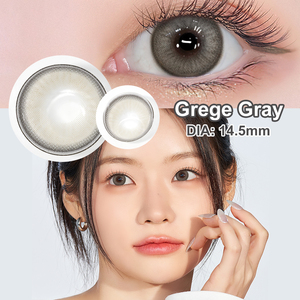
The Scandinavian aesthetic identity centers around effortless minimalism and authentic enhancement. Rather than exaggerated enlargement circle lenses, Norwegian urban professionals and beauty consumers demand delicate, hyper-realistic iris patterns that deepen light blue, green, and hazel eyes without harsh limbal rings. Our proprietary multi-tone dot-matrix design mimics natural human stroma architecture, capturing dominant market share in Oslo boutique retail and online pharmacy platforms.
Emerging Trends in the Norwegian Contact Lens Ecosystem
The Nordic optical sector is evolving faster than almost any European micro-market, shaped by stringent green procurement guidelines, the explosion of social commerce (TikTok and Instagram-driven makeup tutorials), and an urgent consumer shift toward daily disposables. B2B importers who recognize and adapt to these structural trends maintain long-term competitive moats.
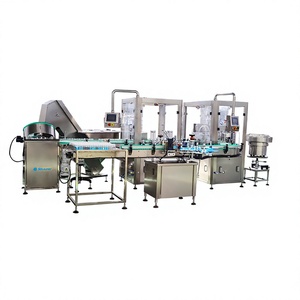
1. Accelerated Transition Toward Daily Disposables (1-Day Modality): While yearly and monthly vials historically represented significant OEM turnover, Norwegian consumers prioritize ocular hygiene and zero-maintenance convenience. Our automated cast-molding lines now produce high-precision daily colored blister packs at low unit economics, allowing Norwegian distributors to offer competitive private-label 10-pack and 30-pack daily beauty ranges that adhere strictly to Scandinavian hygienic expectations.
2. Eco-Conscious Packaging and Sustainable Supply Chains: In Norway, the Green Dot (Grønt Punkt Norge) system and strict waste-handling norms influence consumer loyalty. Chroma Lens has engineered lightweight blister foils, reduced polypropylene carrier plastic by 22%, and shifted to 100% recyclable, FSC-certified outer carton packaging. For Norwegian importers, this substantially reduces packaging fee liabilities and elevates brand prestige among environmentally conscious Scandinavian consumers.
3. The Convergence of Correction and Cosmetic Enhancement: The historical divide between "plano costume lenses" and "corrective optical lenses" has evaporated. Over 48% of cosmetic inquiries from the Nordic region request exact myopia corrections (-0.50D to -8.00D in 0.25D increments). Chroma Lens maintains automated stock matrices across full diopter ranges, eliminating the inventory friction commonly faced by Norwegian optometry networks sourcing prescription colored contacts.
Why Global Brands & Nordic Importers Choose Our Factory
With over a decade of vertically integrated optical excellence, we eliminate third-party supply bottlenecks through end-to-end proprietary manufacturing.
In-House Mold Engineering
We design, engineer, and diamond-turn our own precision casting molds, enabling micron-level base curve stability and ultra-fast custom prototyping for bespoke Nordic private labels.
Proprietary Bio-Safe Inks
Developed exclusively in our laboratory, our non-ionic medical-grade color formulations guarantee vibrant light-fastness, absolute biological inertness, and zero cytotoxic leachables.
Original Pattern Library
Access hundreds of copyright-cleared, high-definition natural, anime, and theatrical iris designs crafted by our dedicated creative studio, or develop exclusive regional patterns for your brand.
Rigorous Quality Assurance
100% automated optical projection verification, dimensional laser inspection, Class 100,000 cleanrooms, and full batch traceability under ISO 13485:2016 and CE medical protocols.
Frequently Asked Questions: Sourcing Contact Lenses for Norway
Direct technical and logistical clarity for Norwegian importers, optical buyers, and brand owners navigating supply chains.
FAQ What certification is required to clear cosmetic colored contact lenses through Norwegian customs (Tolletaten)?
All contact lenses—whether corrective or non-corrective cosmetic (plano)—are governed by EU MDR 2017/745 (Annex XVI) in Norway via EEA harmonization. Importers must hold a valid CE Certificate issued by a recognized European Notified Body, an ISO 13485:2016 factory quality management certificate, an EU Declaration of Conformity (DoC), and compliant Scandinavian labeling. We furnish complete audit-ready regulatory dossiers with every shipment.
FAQ Do Norwegian regulations mandate Norwegian language on retail packaging and patient leaflets?
Yes. Under guidance from the Norwegian Medical Products Agency (DMP) and the Norwegian Product Control Act, health and medical devices sold to end consumers must include Instructions for Use (IFU) and critical safety warnings in Norwegian (or alternatively Scandinavian: Swedish/Danish if authorized). Our in-house graphics department assists B2B clients in laying out dual-language packaging (Norwegian/English) meeting all local labeling statutes.
FAQ What is the Minimum Order Quantity (MOQ) for custom OEM private-label brands entering the Nordic market?
For catalog styles with customized private-label secondary boxes and localized blister foil printing, our standard MOQ begins at 500 to 1,000 pairs per SKU. For bespoke pattern development requiring custom printing plates and custom mold tooling, project batches generally start at 5,000 pairs. We also offer low-MOQ pilot trial batches for emerging Norwegian e-commerce brands.
FAQ How do low winter temperatures in Norway affect the transportation and storage of contact lenses?
Extreme freezing conditions during transit through Oslo Gardermoen or road haulage to Northern Norway (e.g., Tromsø) can cause saline freezing, resulting in blister seal rupture or localized polymer dehydration. Our export packaging incorporates high-barrier multi-laminate blister seals and heavy-duty double-corrugated insulated export cartons. We advise shipping via temperature-controlled air freight consolidations during peak sub-zero periods.
FAQ How does your 3-layer "Sandwich" color printing technology safeguard ocular health?
Unlike cheap cosmetic contacts where color pigments are printed directly on the outer surface (risking corneal micro-abrasions and toxic pigment shedding), our cast-molding encapsulation process embeds the FDA-approved cosmetic ink entirely between two micro-thin layers of clear hydrogel material. The wearer’s cornea and conjunctiva only ever contact smooth, biocompatible polymer surfaces.
FAQ What are standard production lead times and shipping corridors from our factory to Oslo?
Standard production cycles for OEM orders run between 25 and 35 calendar days following proof artwork and packaging approval. Air freight express transit (via DHL/FedEx or direct commercial cargo corridors) into Oslo Airport (OSL) typically spans 4 to 7 business days. For consolidated container sea freight into the Port of Oslo (Oslo Havn), transit times average 32 to 40 days.
Launch or Expand Your Contact Lens Brand in Norway
Connect directly with our factory engineering and export sales team. Request high-resolution product catalogs, Nordic sample evaluation kits, EU MDR compliance files, or discuss custom private-label design specifications with our optical specialists today.